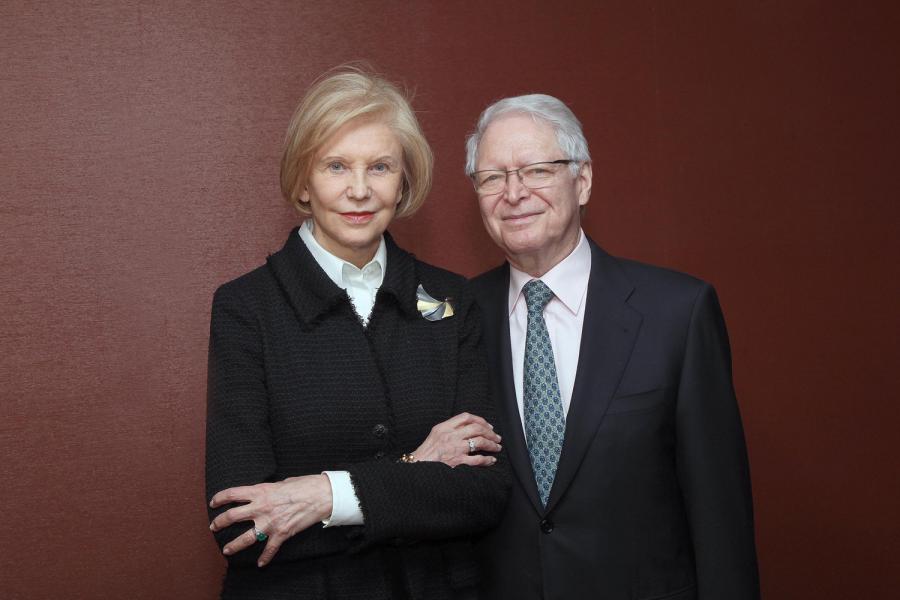
Jan T. Vilcek

Biosketch / Results /

Jan T. Vilcek, M.D.

Professor;
Department of Microbiology (Microbiology )

Contact Info

Address
550 First Avenue
Microbiology Floor 2 Room 222
Medical Science Building
New York, NY 10016

212-263-6756
212-263-9180
Jan.Vilcek@nyumc.org

« Back to Results

Education

1957 — , PostDoctoral Training
— Institute of Virology, Graduate Education

« Back to Results

Research Summary

Our research primarily concerns the mechanisms of cytokine actions, especially those of tumor necrosis factor (TNF) and the interferons (IFNs). Most cytokine actions are mediated by the activation or inactivation of specific genes. We want to understand cytokine actions better by 1) identifying and characterizing cytokine-induced genes and 2) investigating the mechanisms of cytokine signal transduction and the mutual interactions of several major cytokines.

We isolated several TNF-induced gene sequences from human fibroblasts and found that, while many of these cDNAs correspond to genes encoding known proteins, some could not match with any known gene sequences available in databases. After completing nucleotide sequence analysis of two novel genes isolated from TNF-treated human fibroblasts, we identified TSG-6 as a family member of the hyaluronic acid binding proteins and TSG-14 as a gene that encodes a protein partly homologous to a family of acute-phase proteins termed pentraxins. We are also exploring the biologic functions of TSG-6 and TSG-14 proteins, especially their role in inflammation.

Additionally, we study the functions of the large family of mitogen activated protein kinases (MAPKs) in cytokine actions. MAPKs can activate gene expression by phosphorylating transcription factors, thereby activating them. Our laboratory is investigating the functions of MAPKs in the signal transduction pathways activated by TNF and IL-1.

Research Interests

Mechanisms of Cytokine Actions

Research Keywords

tumor necrosis factor, interferons, cytokine-induced gene expression, mitogen activated protein kinases, signal transduction

« Back to Results

All data from NYU Health Sciences Library Faculty Bibliography — -

Contact:
http://hsl.med.nyu.edu/faculty-bibliography-search#about

From IFN to TNF: a journey into realms of lore
Vilcek, Jan
2009 Jun;10(6):555-557, Nature immunology
— id: 99021, year: 2009, vol: 10, page: 555, stat: Journal Article,

IRF1: a deus ex machina in TH1 differentiation
Unutmaz, Derya; Vilcek, Jan
2008 Jan;9(1):9-10, Nature immunology
— id: 78895, year: 2008, vol: 9, page: 9, stat: Journal Article,

First demonstration of the role of TNF in the pathogenesis of disease
Vilcek, Jan
2008 Jul 1;181(1):5-6, Journal of immunology
— id: 80311, year: 2008, vol: 181, page: 5, stat: Journal Article,

Interferon research BC (before cloning)
Vilcek, J
2007 ;316:9-22, Current topics in microbiology & immunology
As we approach the 50th anniversary of the publications describing the discovery of interferon, it is appropriate to look back at some of the trials and tribulations marking the early days of interferon research. This brief chapter, drawn largely from the author's own experiences, relates how progress was achieved in some key areas of interferon research in the 1960s and 1970s despite the lack of analytical tools that had become available only after the successful cloning of interferon genes. One of the topics discussed concerns the evolution of the idea that interferon synthesis is controlled both at transcriptional and posttranscriptional levels. I also recount some of the early work that led to the identification of IFN-alpha and IFN-beta as the two major type I interferon species
— id: 75400, year: 2007, vol: 316, page: 9, stat: Journal Article,

Biomedical science and translational research
Vilcek, Jan
2007 ;1:7-8, Probe: the publication of research on biomedical endeavors
— id: 75311, year: 2007, vol: 1, page: 7, stat: Journal Article,

My fifty years with interferon
Vilcek, Jan
2007 Jul;27(7):535-542, Journal of interferon & cytokine research
— id: 73810, year: 2007, vol: 27, page: 535, stat: Journal Article,

Cytokines as therapeutics and targets of therapeutics
Vilcek J; Feldmann M
2006 ;20(2):65-74, Rheumatologia
Cytokine research has spawned the introduction of new therapies that have revolutionized the treatment of many important diseases. These therapeutic advances have resulted from two very different strategies. The first therapeutic strategy embodies the administration of purified, recombinant cytokines. The second relies on the administration of therapeutics that inhibit the harmful effects of upregulated, endogenous cytokines. Examples of successful cytokine therapeutics include hematopoietic growth factors (colony stimulating factors) and interferons. Prime examples of cytokine antagonists that have profoundly altered the treatment of some inflammatory disorders are agents that inhibit the effects of tumor necrosis factor (TNF). In this article, we highlight some of the studies that have been responsible for the introduction of cytokine and anti-cytokine therapies, with emphasis on the development of interferons and anti-TNF agents
— id: 67521, year: 2006, vol: 20, page: 65, stat: Journal Article,

Fifty years of interferon research: aiming at a moving target
Vilcek, Jan
2006 Sep;25(3):343-348, Immunity
Nearly half a century has passed since the first published description of interferons (IFNs). This commentary introduces the four accompanying review articles on type I IFN research and attempts to relate how the field of IFN research has been changing during its history
— id: 68989, year: 2006, vol: 25, page: 343, stat: Journal Article,

A prize for the foreign-born
Vilcek, Jan; Cronstein, Bruce N
2006 Jul;20(9):1281-1283, FASEB journal
— id: 66700, year: 2006, vol: 20, page: 1281, stat: Journal Article,

Up-regulation of cyclooxygenase-2 expression by TSG-6 protein in macrophage cell line
Mindrescu, Catalin; Le, Junming; Wisniewski, Hans-Georg; Vilcek, Jan
2005 May 13;330(3):737-745, Biochemical & biophysical research communications
TNF-stimulated gene 6 (TSG-6) encodes a 35 kDa inducible secreted glycoprotein important in inflammation and female fertility. Previous studies have shown that TSG-6 has anti-inflammatory activity in models of acute and chronic inflammation. In the present study, we show that treatment of the RAW 264.7 murine macrophage cell line with TSG-6 protein up-regulates the expression of inducible cyclooxygenase-2 (COX-2), a key enzyme in inflammation and immune responses. This action of TSG-6 protein was abolished by heat denaturation, trypsin digestion, or anti-TSG-6 antibodies. TSG-6 treatment also resulted in a rapid increase in COX-2 mRNA levels, suggesting that TSG-6 up-regulates COX-2 gene expression. Up-regulation of COX-2 was accompanied by an increase in the production of prostaglandins, especially PGD2. As the PGD2 metabolite, 15-deoxy-Delta12,14-PGJ2, can act as a negative regulator of inflammation, these TSG-6 actions may explain, at least in part, the anti-inflammatory effect of TSG-6 observed in the intact organism
— id: 55911, year: 2005, vol: 330, page: 737, stat: Journal Article,

TSG-6 protein up-regulates cyclooxygenase-2 expression and prostaglandin biosynthesis in macrophage cell line
Mindreseu, C; Le, J; Wisniewski, HG; Vilcek, J
2005 JUN ;115(4):S196-S196, Clinical immunology
— id: 56295, year: 2005, vol: 115, page: S196, stat: Journal Article,

TSG-6 protein binding to glycosaminoglycans: formation of stable complexes with hyaluronan and binding to chondroitin sulfates
Wisniewski, Hans-Georg; Snitkin, Evan S; Mindrescu, Catalin; Sweet, Moshe H; Vilcek, Jan
2005 Apr 15;280(15):14476-14484, Journal of biological chemistry
TSG-6 protein, up-regulated in inflammatory lesions and in the ovary during ovulation, shows anti-inflammatory activity and plays an essential role in female fertility. Studies in murine models of acute inflammation and experimental arthritis demonstrated that TSG-6 has a strong anti-inflammatory and chondroprotective effect. TSG-6 protein is composed of the N-terminal link module that binds hyaluronan and a C-terminal CUB domain, present in a variety of proteins. Interactions between the isolated link module and hyaluronan have been studied extensively, but little is known about the binding of full-length TSG-6 protein to hyaluronan and other glycosaminoglycans. We show that TSG-6 protein and hyaluronan, in a temperature-dependent fashion, form a stable complex that is resistant to dissociating agents. The formation of such stable complexes may underlie the activities of TSG-6 protein in inflammation and fertility, e.g. the TSG-6-dependent cross-linking of hyaluronan in the cumulus cell-oocyte complex during ovulation. Because adhesion to hyaluronan is involved in cell trafficking in inflammatory processes, we also studied the effect of TSG-6 on cell adhesion. TSG-6 binding to immobilized hyaluronan did not interfere with subsequent adhesion of lymphoid cells. In addition to immobilized hyaluronan, full-length TSG-6 also binds free hyaluronan and all chondroitin sulfate isoforms under physiological conditions. These interactions may contribute to the localization of TSG-6 in cartilage and to its chondroprotective and anti-inflammatory effects in models of arthritis
— id: 55786, year: 2005, vol: 280, page: 14476, stat: Journal Article,

Inhibition of glucocorticoid receptor-mediated transcriptional activation by p38 mitogen-activated protein (MAP) kinase
Szatmary, Zoltan; Garabedian, Michael J; Vilcek, Jan
2004 Oct 15;279(42):43708-43715, Journal of biological chemistry
Tumor necrosis factor (TNF) promotes certain immune and inflammatory responses, whereas glucocorticoids exert immunosuppressive and anti-inflammatory actions. We show that TNF treatment produced a modest inhibition of glucocorticoid receptor (GR)-mediated transcriptional activation of a mouse mammary tumor virus (MMTV) promoter-driven luciferase construct in HeLa cells. The mitogen-activated protein (MAP) kinases, p38 and c-Jun N-terminal kinase (JNK), are important mediators of target gene activation by TNF, and JNK activation was earlier shown to inhibit GR-mediated transcriptional activation by direct phosphorylation of GR at Ser-246. Transfection of HeLa cells with MKK6b(E), a constitutively active specific upstream activator of p38, led to a potent inhibition of GR activation of the MMTV promoter-driven luciferase construct. A similar inhibition of activation of the MMTV promoter-driven luciferase construct was seen in HeLa cells transfected with MKK7(D), a constitutively functional activator of JNK. Data from 'domain swap' experiments using GR chimeras indicated that the main target of the p38-mediated (but not JNK-mediated) inhibition is the ligand-binding domain of GR (spanning amino acids 525-795), whereas the constitutively active N-terminal AF-1 region (spanning amino acids 106-237) is dispensable for the inhibitory effect of p38. We also demonstrate that activated p38 targets the GR ligand-binding domain indirectly. Suppression of GR function by activated p38 and JNK MAP kinases may be physiologically important as a mechanism of resistance to glucocorticoids seen in many patients with chronic inflammatory conditions
— id: 48208, year: 2004, vol: 279, page: 43708, stat: Journal Article,

The early days of interferon research in Bratislava
Vilcek J
2004 ;18(1):1-4, Rheumatologia
— id: 46317, year: 2004, vol: 18, page: 1, stat: Journal Article,

Why are rabbits uniquely sensitive to myxoma virus? Cherchez l'interferon!
Vilcek, Jan
2004 Dec;5(12):1205-1206, Nature immunology
— id: 78903, year: 2004, vol: 5, page: 1205, stat: Journal Article,

Historical review: Cytokines as therapeutics and targets of therapeutics
Vilcek, Jan; Feldmann, Marc
2004 Apr;25(4):201-209, Trends in pharmacological science
Cytokine research has spawned the introduction of new therapies that have revolutionized the treatment of many important diseases. These therapeutic advances have resulted from two very different strategies. The first therapeutic strategy embodies the administration of purified, recombinant cytokines. The second relies on the administration of therapeutics that inhibit the harmful effects of upregulated, endogenous cytokines. Examples of successful cytokine therapeutics include hematopoietic growth factors (colony stimulating factors) and interferons. Prime examples of cytokine antagonists that have profoundly altered the treatment of some inflammatory disorders are agents that inhibit the effects of tumor necrosis factor (TNF). In this article, we highlight some of the studies that have been responsible for the introduction of cytokine and anti-cytokine therapies, with emphasis on the development of interferons and anti-TNF agents
— id: 44841, year: 2004, vol: 25, page: 201, stat: Journal Article,

Cytokine-induced gene expression at the crossroads of innate immunity, inflammation and fertility: TSG-6 and PTX3/TSG-14
Wisniewski, Hans-Georg; Vilcek, Jan
2004 Apr-Jun;15(2-3):129-146, Cytokine & growth factor reviews
Two cytokine-inducible gene products, important in inflammation and infection, also play essential roles in female fertility. One of these is the product of tumor necrosis factor (TNF)-stimulated gene 6 (TSG-6), alternatively termed TNFAIP6 (for TNF-alpha-induced protein 6), originally cloned from diploid human fibroblasts stimulated with TNF. The second is pentraxin 3 (PTX3), also termed TSG-14, originally isolated from TNF-stimulated human fibroblasts and from interleukin-1 (IL-1)-stimulated vascular endothelial cells. TSG-6, which specifically binds to hyaluronan (HA) and to inter-alpha-inhibitor (I alpha I), shows potent anti-inflammatory activity in acute and chronic inflammation, notably in several models of autoimmune arthritis. PTX3 was shown to play an important role in resistance to fungal infection with Aspergillus fumigatus. Both TSG-6 and PTX3 are synthesized in the ovary prior to ovulation, where they become components of an expanding viscoelastic matrix that surrounds the oocyte before its release from the follicle at the ovarian surface. Female mice with a targeted disruption of either the TSG-6 or PTX3 gene show severe defects in fertility
— id: 44840, year: 2004, vol: 15, page: 129, stat: Journal Article,

Reassessing the usual suspects causing a commotion in the blood (and vessels?)
Wolchok, Jedd D; Vilcek, Jan
2004 Jan;3(1):124-125, Cancer biology & therapy
— id: 44842, year: 2004, vol: 3, page: 124, stat: Journal Article,

The cytokines : an overview
Vilcek J
The cytokine handbook Amsterdam : Academic Press, 2003,
— id: 4448, year: 2003, vol: , page: 3, stat: Chapter,

Boosting p53 with interferon and viruses
Vilcek, Jan
2003 Sep;4(9):825-826, Nature immunology
— id: 44843, year: 2003, vol: 4, page: 825, stat: Journal Article,

Novel interferons
Vilcek, Jan
2003 Jan;4(1):8-9, Nature immunology
— id: 35186, year: 2003, vol: 4, page: 8, stat: Journal Article,

Non-apoptotic signaling pathways activated by soluble Fas ligand in serum-starved human fibroblasts. Mitogen-activated protein kinases and NF-kappaB-dependent gene expression
Ahn JH; Park SM; Cho HS; Lee MS; Yoon JB; Vilcek J; Lee TH
2001 Dec 14;276(50):47100-47106, Journal of biological chemistry
Many Fas-expressing cells do not undergo cell death upon Fas stimulation. In the normal human diploid cell line GM6112, the addition of soluble Fas ligand (sFasL) leads to morphological signs of cell death in less than 1% of cells. Treatment of serum-starved GM6112 fibroblasts with sFasL resulted in a rapid and transient phosphorylation of ERK1/2 without a significant increase in JNK and p38 activities. Unless co-treated with the protein synthesis inhibitor anisomycin, sFasL did not show gene-inducing activity in cells maintained in complete medium. However, when cells were serum-starved for 4 days, treatment with sFasL alone induced interleukin-6 gene expression and, less strongly, interleukin-8 gene expression. Sensitization of the gene-inducing activity by serum starvation correlated with NF-kappaB activation by sFasL. Furthermore, we found that the expression of FADD and caspase-8 was significantly reduced in serum-starved cells, whereas the level of cFLIP remained unchanged. Transfection of GM6112 cells with the antisense caspase-8 expression construct sensitized cells toward sFasL-induced NF-kappaB-dependent reporter activation. Our results support the notion that a change in the ratio of cFLIP and caspase-8 may be responsible for turning on the Fas-activated NF-kappaB pathway, which otherwise is supplanted by the death-inducing pathway
— id: 34683, year: 2001, vol: 276, page: 47100, stat: Journal Article,

TSG-14 transgenic mice have improved survival to endotoxemia and to CLP-induced sepsis
Dias AA; Goodman AR; Dos Santos JL; Gomes RN; Altmeyer A; Bozza PT; Horta MF; Vilcek J; Reis LF
2001 Jun;69(6):928-936, Journal of leukocyte biology
Tumor necrosis factor-stimulated gene 14 (TSG-14)/PTX3 was identified originally as a TNF-alpha and IL-1beta-stimulated gene from normal, human foreskin fibroblasts and vascular endothelial cells, respectively. TSG-14 gene encodes a 42-kDa-secreted glycoprotein with a carboxy-terminal half that shares homology with the entire sequence of C-reactive protein (CRP) and serum amyloid P component (SAP), acute-phase proteins of the pentraxin family. Some experimental evidence suggests that TSG-14 plays a role in inflammation, yet its function and mechanism of action remain unclear. We have generated transgenic mice that overexpress the murine TSG-14 gene under the control of its own promoter. From eight transgenic founders, two lineages were derived and better characterized: Tg2 and Tg4, carrying two and four copies of the transgene, respectively. TSG-14 transgenic mice were found to be more resistant to the endotoxic shock induced by LPS and to the polymicrobial sepsis caused by cecal ligation and puncture (CLP). Moreover, macrophages derived from the transgenic mice produced higher amounts of nitric oxide in response to IFN-gamma, TNF-alpha, and LPS as compared with macrophages from wild-type animals, and the augmented response appears to be the consequence of a higher responsiveness of transgenic macrophages to IFN-gamma. The data shown here are the first in vivo evidence of the involvement of TSG-14 in the inflammatory process and suggest a role for TSG-14 in the defense against bacterial infections
— id: 34684, year: 2001, vol: 69, page: 928, stat: Journal Article,

Altered inflammatory response in TSG-14/PTX-3 transgenic mice
Dias AAM; Souza DG; Diniz SN; Gomes RN; Goodman A; Bozza PT; Montagnini AL; Vilcek J; Teixeira MM; Reis LFL
2001 NOV 15 ;49(3):81-81, Journal of leukocyte biology
— id: 130281, year: 2001, vol: 49, page: 81, stat: Journal Article,

Inhibition of IkappaB kinase activity by sodium salicylate in vitro does not reflect its inhibitory mechanism in intact cells
Alpert D; Vilcek J
2000 Apr 14;275(15):10925-10929, Journal of biological chemistry
Sodium salicylate inhibits activation of the transcription factor NF-kappaB by blocking the phosphorylation and degradation of the NF-kappaB inhibitor IkappaBalpha. We previously demonstrated that salicylate inhibits IkappaBalpha degradation induced by tumor necrosis factor (TNF) but not by interleukin-1 (IL-1) and implicated p38 mitogen-activated protein kinase activation by salicylate in the inhibition of TNF-induced IkappaBalpha phosphorylation. Both TNF and IL-1 rapidly activate the IkappaB kinase (IKK) complex, containing the catalytic subunits IKKalpha and IKKbeta, which directly phosphorylates IkappaB proteins. Others have recently suggested that salicylate inhibits NF-kappaB activation by directly binding to IKKbeta. To clarify the mechanism whereby salicylate inhibits IKK activity, we examined its effects upon cytokine-induced IKK activity in intact cells and in vitro. Treatment of intact cells with salicylate inhibited TNF-induced but not IL-1-induced IKK activity, and this inhibition was prevented by the p38 inhibitor SB203580. In contrast, inhibition of IKK activity by salicylate in vitro was neither selective for TNF nor affected by SB203580. In vitro, salicylate treatment comparably inhibited the kinase activity of overexpressed IKKalpha and IKKbeta and also decreased p38 kinase activity. Therefore, direct inhibition of IKK activity in vitro does not reflect the inhibitory mechanism of salicylate in intact cells, which involves interference with TNF signaling
— id: 11768, year: 2000, vol: 275, page: 10925, stat: Journal Article,

Differential regulation of TSG-14 expression in murine fibroblasts and peritoneal macrophages
Goodman AR; Levy DE; Reis LF; Vilcek J
2000 Mar;67(3):387-395, Journal of leukocyte biology
Tumor necrosis factor (TNF)-stimulated gene 14 (TSG-14, also termed PTX3) encodes a secreted glycoprotein whose carboxy-terminal half shares sequence similarity with the pentraxin family of acute phase proteins (C-reactive protein and serum amyloid P component). We compared TSG-14 mRNA expression in cultures of murine BALB/c 3T3 fibroblasts and thioglycollate-elicited peritoneal macrophages. TNF and interleukin-1 (IL-1) potently induced TSG-14 expression in 3T3 fibroblasts but not in peritoneal macrophages. Lipopolysaccharide (LPS) elicited TSG-14 expression in both cell types, but induction in 3T3 cells and macrophages showed several distinct characteristics. Whereas in 3T3 fibroblasts TSG-14 mRNA was rapidly up-regulated by LPS, expression in macrophages was substantially delayed. Furthermore, cycloheximide greatly reduced LPS-induced TSG-14 mRNA up-regulation in macrophages but not in 3T3 cells. Finally, interferon-gamma (IFN-gamma; but not IFN-alpha/beta) inhibited LPS-induced TSG-14 expression in macrophages and not in 3T3 fibroblasts. The antioxidant pyrrolidine dithiocarbamate inhibited LPS-induced nuclear factor-kappaB (NF-kappaB) activation and TSG-14 expression in macrophages. In contrast, IFN-gamma did not inhibit NF-kappaB function as measured by IkappaB-alpha and IkappaB-beta degradation, IkappaB-alpha resynthesis, or electrophoretic mobility shift analysis. Inhibition of LPS-induced TSG-14 mRNA expression by IFN-gamma in macrophages was also observed in the presence of cycloheximide and in cells from STAT1 null mice, suggesting that IFN-gamma inhibits TSG-14 expression through an unconventional mechanism
— id: 11789, year: 2000, vol: 67, page: 387, stat: Journal Article,

The effect of sodium salicylate (NaSal) on the novel mitogen-activated protein (MAP) kinase BMK1/ERK5
Lewis, C R; Alpert, D; Vilcek, J
2000 May 21-25;100:316-317, Abstracts of the ... general meeting of the American Society for Microbiology
— id: 15805, year: 2000, vol: 100, page: 316, stat: Journal Article,

Amelioration of collagen-induced arthritis in DBA/1J mice by recombinant TSG-6, a tumor necrosis factor/interleukin-1-inducible protein.[In Process Citation]
Mindrescu C; Thorbecke GJ; Klein MJ; Vilcek J; Wisniewski HG
2000 Dec;43(12):2668-2677, Arthritis & rheumatism
OBJECTIVE: To examine the effect of recombinant TSG-6 on collagen-induced arthritis (CIA) in DBA/1J mice. TSG-6 is a tumor necrosis factor (TNF)/ interleukin-1 (IL-1)-inducible hyaluronan-binding protein produced by synovial cells and chondrocytes that is present in synovial fluids of patients with rheumatoid arthritis. METHODS: To determine the effect of TSG-6 on chronic inflammatory joint disease, we induced CIA in DBA/1J mice by immunization with bovine type II collagen. Animals were treated with 12 intraperitoneal doses of 200 microg of recombinant TSG-6, beginning 3 days before the expected onset of disease symptoms. Progression of arthritis was monitored by determining the disease incidence, arthritis index, and footpad swelling. Levels of IgG1, IgG2a, and IgG2b antibodies against bovine and murine type II collagen and serum concentrations of IL-6 were determined at various time points. Histologic examination of affected joints was performed approximately 20 days after the onset of arthritis. RESULTS: Treatment with recombinant TSG-6 protein had a potent ameliorative effect, manifested by decreases in the disease incidence, arthritis index, and footpad swelling. Histologic examination of affected joints in TSG-6-treated animals revealed little pannus formation and cartilage erosion, features which were conspicuous in control mice. Animals treated with recombinant TSG-6 developed significantly reduced levels of IgG1, IgG2a, and IgG2b antibodies against bovine and murine type II collagen. CONCLUSION: The antiinflammatory effect of the TNF/IL-1-inducible TSG-6 protein in murine CIA suggests a role for this protein as an endogenous regulator of the inflammatory process
— id: 15527, year: 2000, vol: 43, page: 2668, stat: Journal Article,

Persistent tumor necrosis factor signaling in normal human fibroblasts prevents the complete resynthesis of ikappa B-alpha [In Process Citation]
Poppers DM; Schwenger P; Vilcek J
2000 Sep 22;275(38):29587-29593, Journal of biological chemistry
Transcription factor NF-kappaB is normally sequestered in the cytoplasm, complexed with IkappaB inhibitory proteins. Tumor necrosis factor (TNF) and interleukin-1 induce IkappaB-alpha phosphorylation, leading to IkappaB-alpha degradation and translocation of NF-kappaB to the nucleus where it activates genes important in inflammatory and immune responses. TNF and interleukin-1 actions are typically terminated by desensitization, and IkappaB-alpha reappearance normally occurs within 30-60 min. We found that in normal human FS-4 fibroblasts maintained in the presence of TNF, IkappaB-alpha protein failed to return to base-line levels for up to 15 h. Removal of TNF at any time during the 15-h period resulted in complete IkappaB-alpha resynthesis, suggesting that IkappaB-alpha reappearance was prevented by continued TNF signaling. Long term exposure of FS-4 fibroblasts to TNF led to a persistent presence of IkappaB-alpha mRNA, sustained IkappaB kinase activation, continuous proteasome-mediated degradation of IkappaB-alpha, and sustained nuclear localization of NF-kappaB. Continuous exposure of FS-4 cells to TNF did not lead to a sustained activation of p38 or ERK mitogen-activated protein kinases, suggesting that not all TNF-induced signaling pathways are persistently activated. These findings challenge the notion that all cytokine-mediated signals are rapidly terminated by desensitization and illustrate the need to elucidate the process of deactivation of TNF-induced signaling
— id: 15528, year: 2000, vol: 275, page: 29587, stat: Journal Article,

Cell stress and MKK6b-mediated p38 MAP kinase activation inhibit tumor necrosis factor-induced IkappaB phosphorylation and NF-kappaB activation
Alpert D; Schwenger P; Han J; Vilcek J
1999 Aug 6;274(32):22176-22183, Journal of biological chemistry
Tumor necrosis factor (TNF) exerts many actions through activation of the transcription factor NF-kappaB. NF-kappaB is sequestered in the cytosol by an inhibitory subunit IkappaB, which is inducibly phosphorylated by an IkappaB kinase complex and subsequently degraded. Sodium salicylate (NaSal) can block NF-kappaB activation by inhibiting IkappaBalpha phosphorylation. Recently, we used the specific p38 mitogen-activated protein (MAP) kinase inhibitor SB203580 to demonstrate that inhibition of TNF-induced IkappaBalpha phosphorylation requires NaSal-induced p38 activation. We demonstrate that NaSal similarly inhibits TNF-induced IkappaBbeta degradation in a p38-dependent manner. To further examine the role of p38, we determined whether other agents that activate p38 can block TNF-induced IkappaB phosphorylation and degradation. Sorbitol, H(2)O(2), and arsenite each blocked IkappaBalpha phosphorylation induced by TNF, and SB203580 reversed the inhibitory effects of sorbitol and H(2)O(2), but not arsenite. In addition, sorbitol and H(2)O(2) blocked TNF-induced but not interleukin-1-induced IkappaBalpha phosphorylation, whereas arsenite inhibited IkappaBalpha phosphorylation induced by TNF and interleukin-1. Transient expression of MAP kinase kinase (MKK) 6b(E), a constitutive activator of p38, reduced both TNF-induced phosphorylation of IkappaBalpha and NF-kappaB-dependent reporter activity. However, MKK7(D), a constitutive activator of c-Jun N-terminal kinases, failed to inhibit these TNF actions. Thus, sustained p38 activation by various stimuli inhibits TNF-induced IkappaB phosphorylation and NF-kappaB activation
— id: 8491, year: 1999, vol: 274, page: 22176, stat: Journal Article,

Transcriptional basis for the differences in inducible nitric oxide synthase (iNOS) expression between nonmetastatic and metastatic murine melanoma cell lines
Gerecitano J; Perle MA; Vilcek J
1999 Apr;19(4):393-405, Journal of interferon & cytokine research
An inverse correlation exists between expression of the inducible nitric oxide synthase (iNOS) gene and the ability of cloned K1735 murine melanoma cell lines to metastasize. We have analyzed the basis for the difference in iNOS induction by interferon-gamma (IFN-gamma) and lipopolysaccharide (LPS) in metastatic and non-metastatic K1735 cells. Nuclear run-on (NRO) assays revealed an upregulation of iNOS transcription on treatment with IFN-gamma plus LPS in nonmetastatic cells but not in a metastatic line. Transcription factors IFN regulatory factor 1 (IRF-1) and NF-kappaB were induced and functional in both metastatic and nonmetastatic K1735 lines treated with IFN-gamma plus LPS. Furthermore, a reporter construct driven by the wild-type iNOS promoter was transcriptionally activated in both nonmetastatic and metastatic cells. The iNOS-inducible phenotype was dominant in somatic cell hybrids generated by the fusion of nonmetastatic and metastatic cells, suggesting that no inhibitors of iNOS expression are present in metastatic cells. We conclude that the selective block in iNOS transcription in metastatic K1735 cells is likely due to an alteration in iNOS gene regulatory sequences. However, no such alteration was detected within the 1.7 kb iNOS promoter region in metastatic cells
— id: 12014, year: 1999, vol: 19, page: 393, stat: Journal Article,

Persistent TNF signaling in normal human fibroblasts prevents complete IkappaB resynthesis
Poppers, David M; Schwenger, Paul; Vilcek, Jan
1999 Sep 5-9;19(SUPPL. 1):S105-S105, Journal of interferon & cytokine research
— id: 15888, year: 1999, vol: 19, page: S105, stat: Journal Article,

Cell-type-specific activation of c-Jun N-terminal kinase by salicylates
Schwenger P; Alpert D; Skolnik EY; Vilcek J
1999 Apr;179(1):109-114, Journal of cellular physiology
Salicylates inhibit signaling by tumor necrosis factor (TNF), including TNF-induced activation of mitogen-activated protein kinases (MAPKs). On the other hand, we recently showed that in normal human diploid fibroblasts sodium salicylate (NaSal) elicits activation of p38 MAPK but not activation of c-Jun N-terminal kinase (JNK). Here we show that NaSal treatment of COS-1 or HT-29 cells produced a sustained c-Jun N-terminal kinase (JNK) activation. Activation of JNK or p38 MAPK by NaSal (or aspirin) was not due to a nonspecific hyperosmotic effect because much higher molar concentrations of sorbitol or NaCl were required to produce a similar activation. Three structurally unrelated nonsteroidal antiinflammatory drugs (ibuprofen, acetaminophen, and indomethacin) failed to induce significant activation of JNK or p38 MAPK, suggesting that cyclooxygenase inhibition is not the underlying mechanism whereby salicylates induce p38 MAPK and JNK activation. Activation of JNK and p38 MAPKs may be relevant for some antiinflammatory actions of salicylates
— id: 7444, year: 1999, vol: 179, page: 109, stat: Journal Article,

Generation of mutant cell lines resistant to the inhibitory action of salicylate on TNF signalling
Schwenger, P; Vilcek, J
1999 Dec 5-9;11(11):931-931, Cytokine
— id: 15801, year: 1999, vol: 11, page: 931, stat: Journal Article,

Analysis of the inhibitory action of p38 MAP kinase on TNF-induced IkappaB phosphorylation and degradation
Alpert, Deborah; Schwenger, Paul; Skolnik, Edward Y; Han, Jiahuai; Vilcek, Jan
1998 May 17-21;18(5):A51-A51, Journal of interferon & cytokine research
— id: 15935, year: 1998, vol: 18, page: A51, stat: Journal Article,

Differences in inducible nitric oxide synthase (iNOS) expression between nonmetastatic and metastatic murine melanoma cell lines are determined at the level of transcription
Gerecitano, J; Fidler, IJ; Vilcek, J
1998 SEP ;9(3):376-376, European cytokine network
— id: 53662, year: 1998, vol: 9, page: 376, stat: Journal Article,

Differential regulation of TSG-14 expression by IFN-gamma in murine fibroblasts and peritoneal macrophages
Goodman, AR; Cao, Q; Levy, DE; Reis, LFL; Vilcek, J
1998 SEP ;9(3):541-541, European cytokine network
— id: 53664, year: 1998, vol: 9, page: 541, stat: Journal Article,

Activation of p38 mitogen-activated protein kinase by sodium salicylate leads to inhibition of tumor necrosis factor-induced IkappaB alpha phosphorylation and degradation
Schwenger P; Alpert D; Skolnik EY; Vilcek J
1998 Jan;18(1):78-84, Molecular & cellular biology
Many actions of the proinflammatory cytokines tumor necrosis factor (TNF) and interleukin-1 (IL-1) on gene expression are mediated by the transcription factor NF-kappaB. Activation of NF-kappaB by TNF and IL-1 is initiated by the phosphorylation of the inhibitory subunit, IkappaB, which targets IkappaB for degradation and leads to the release of active NF-kappaB. The nonsteroidal anti-inflammatory drug sodium salicylate (NaSal) interferes with TNF-induced NF-kappaB activation by inhibiting phosphorylation and subsequent degradation of the IkappaB alpha protein. Recent evidence indicated that NaSal activates the p38 mitogen-activated protein kinase (MAPK), raising the possibility that inhibition of NF-kappaB activation by NaSal is mediated by p38 MAPK. We now show that inhibition of TNF-induced IkappaB alpha phosphorylation and degradation by NaSal is prevented by treatment of cells with SB203580, a highly specific p38 MAPK inhibitor. Both p38 activation and inhibition of TNF-induced IkappaB alpha degradation were seen after only 30 s to 1 min of NaSal treatment. Induction of p38 MAPK activation and inhibition of TNF-induced IkappaB alpha degradation were demonstrated with pharmacologically achievable doses of NaSal. These findings provide evidence for a role of NaSal-induced p38 MAPK activation in the inhibition of TNF signaling and suggest a possible role for the p38 MAPK in the anti-inflammatory actions of salicylates. In addition, these results implicate the p38 MAPK as a possible negative regulator of TNF signaling that leads to NF-kappaB activation
— id: 7974, year: 1998, vol: 18, page: 78, stat: Journal Article,

Negative regulation of TNF-induced I kappa B phosphorylation and degradation by p38 map kinase
Schwenger, P; Alpert, D; Skolnik, EY; Vilcek, J
1998 SEP ;9(3):370-370, European cytokine network
— id: 53661, year: 1998, vol: 9, page: 370, stat: Journal Article,

Differential effects of sodium salicylate on T
Schwenger, Paul; Alpert, Deborah; Skolnik, Edward Y; Vilcek, Jan
1998 May 17-21;18(5):A58-A58, Journal of interferon & cytokine research
— id: 15934, year: 1998, vol: 18, page: A58, stat: Journal Article,

Expression, purification, and preliminary physicochemical characterization of TSG-14, a cytokine-inducible long pentraxin protein
Goodman, AR; Cardozo, T; Abagyan, R; Lee, GW; Wisniewski, HG; Vilcek, J
1997 JAN ;99(1):56-56, Journal of allergy & clinical immunology
— id: 53277, year: 1997, vol: 99, page: 56, stat: Journal Article,

Sodium salicylate induces apoptosis via p38 mitogen-activated protein kinase but inhibits tumor necrosis factor-induced c-Jun N-terminal kinase/stress-activated protein kinase activation
Schwenger P; Bellosta P; Vietor I; Basilico C; Skolnik EY; Vilcek J
1997 Apr 1;94(7):2869-2873, Proceedings of the National Academy of Sciences of the United States of America
In a previous study, we demonstrated that sodium salicylate (NaSal) selectively inhibits tumor necrosis factor (TNF)-induced activation of the p42 and p44 mitogen-activated protein kinases (MAPKs) (known as extracellular signal-regulated kinases). Here we show that in normal human FS-4 fibroblasts NaSal inhibits TNF-induced activation of another member of the MAPK family, the c-Jun N-terminal kinase/stress-activated protein kinase. c-Jun N-terminal kinase activation induced by interleukin 1 or epidermal growth factor was less strongly inhibited by NaSal. Unexpectedly, treatment of FS-4 cells with NaSal alone produced a strong activation of p38 MAPK and cell death by apoptosis. NaSal-induced apoptosis was blocked by the selective p38 MAPK inhibitor SB-203580, indicating that p38 MAPK serves as a mediator of NaSal-induced apoptosis in human fibroblasts. Activation of p38 MAPK and the resulting induction of apoptosis may be important in the demonstrated antineoplastic actions of nonsteroidal anti-inflammatory drugs
— id: 57523, year: 1997, vol: 94, page: 2869, stat: Journal Article,

Salicylate inhibits TNF-induced NF-kappa B activation by interfering with I kappa B phosphorylation and degradation: The role of p38 MAP kinase
Schwenger, P; Alpert, D; Skolnik, EY; Vilcek, J
1997 DEC 1 ;17(23):108-108, Journal of leukocyte biology
— id: 53151, year: 1997, vol: 17, page: 108, stat: Journal Article,

Forty years of interferon, forty years of cytokines
Vilcek J
1997 Dec;8(4):239-239, Cytokine & growth factor reviews
— id: 15529, year: 1997, vol: 8, page: 239, stat: Journal Article,

TSG-6: an IL-1/TNF-inducible protein with anti-inflammatory activity
Wisniewski HG; Vilcek J
1997 Jun;8(2):143-156, Cytokine & growth factor reviews
The pro-inflammatory cytokines IL-1 and TNF-alpha are primary mediators of the acute phase response, the complex reaction of the mammalian organism to infection and injury. Among the genes activated by TNF-alpha and IL-1 in a variety of cells is TNF-stimulated gene 6 (TSG-6). The TSG-6 cDNA encodes a secreted 35 kDa glycoprotein which is abundant in synovial fluids of patients with various forms of arthritis and detectable in serum of patients with different inflammatory or autoimmune disorders. TSG-6 protein consists of two structural domains: a hyaluronan-binding link module, the characteristic domain of the hyaladherin family of proteins, and a C-terminal CUB domain, present in a variety of diverse proteins. TSG-6 forms a stable complex with components of the plasma protein inter-alpha-inhibitor (I[alpha]I), a Kunitz-type serine protease inhibitor. TSG-6 and I(alpha)I synergize to inhibit plasmin, a serine protease involved in the activation of matrix metalloproteinases which are part of the proteolytic cascade associated with inflammation. Recombinant human TSG-6 protein exerts a potent anti-inflammatory effect in a murine model of acute inflammation. Modulation of the proteolytic network associated with inflammatory processes may be a mechanism whereby TSG-6, in cooperation with I(alpha)I, inhibits inflammation. Activation of the TSG-6 gene by pro-inflammatory cytokines, presence of TSG-6 protein in inflammatory lesions and its anti-inflammatory effect suggest a role for TSG-6 in a negative feed-back control of the inflammatory response
— id: 7281, year: 1997, vol: 8, page: 143, stat: Journal Article,

Long pentraxins: an emerging group of proteins with diverse functions
Goodman AR; Cardozo T; Abagyan R; Altmeyer A; Wisniewski HG; Vilcek J
1996 Aug;7(2):191-202, Cytokine & growth factor reviews
The earliest described pentraxins, C reactive protein (CRP) and serum amyloid P component (SAP), are cytokine-inducible acute phase proteins implicated in innate immunity whose concentrations in the blood increase dramatically upon infection or trauma. The highly conserved family of pentraxins was thought to consist solely of approximately 25 kDa proteins. Recently, several distinct larger proteins have been identified in which only the C-terminal halves show characteristic features of the pentraxin family. One of the recently described 'long' pentraxins (TSG-14/PTX3) is inducible by TNF or IL-1 and is produced during the acute phase response. Other newly identified long pentraxins are constitutively expressed proteins associated with sperm-egg fusion (apexin/p50), may function at the neuronal synapse (neuronal pentraxin I, NPI), or may serve yet other, unknown functions (NPII and XL-PXN1). Evidence obtained by molecular modeling and by direct physicochemical analysis suggests that TSG-14 protein retains some characteristic structural features of the pentraxins, including the formation of pentameric complexes
— id: 12559, year: 1996, vol: 7, page: 191, stat: Journal Article,

TSG-6 expression in human articular chondrocytes. Possible implications in joint inflammation and cartilage degradation
Maier R; Wisniewski HG; Vilcek J; Lotz M
1996 Apr;39(4):552-559, Arthritis & rheumatism
OBJECTIVE: The hyaluronan-binding protein TSG-6 (tumor necrosis factor-stimulated gene 6) forms a stable complex with the serine protease inhibitor, inter-alpha-inhibitor, potentiates the inhibition of plasmin activity, and has antiinflammatory effects in vivo. This study examines the expression of TSG-6 in human articular chondrocytes and cartilage. METHODS: Human articular chondrocytes and cartilage explants were stimulated with cytokines, growth factors, and other agents. TSG-6 expression was analyzed by imaging-assisted Northern and Western blotting. RESULT: TSG-6 messenger RNA (mRNA) expression was upregulated by cytokines and growth factors, predominantly interleukin-1 beta (IL-1 beta), tumor necrosis factor alpha (TNF alpha), platelet-derived growth factor AA (PDGF-AA), and transforming growth factor beta 1 (TGF beta 1). TSG-6 mRNA induction by TGF beta 1 was delayed as compared with IL-1beta. Treatment of the cells with the glucocorticoid dexamethasone neither induced TSG-6 mRNA nor did it affect IL-1 beta-induced transcript levels. TSG-6 mRNA induction may involve several signal transduction pathways. The strong transcriptional stimulation by phorbol myristate acetate suggests protein kinase C (PKC)-mediated signaling. In contrast, PKA- and Ca- dependent signals are only marginally involved as messengers leading to increased TSG-6 levels after IL-1beta and TNF alpha treatment. In chondrocyte and cartilage organ cultures, both free TSG-6 (35 kd) and the complex with inter-alpha-inhibitor (120 kd) were present and upregulated by IL-1 beta, TNF alpha, or TGF beta 1. CONCLUSION: Chondrocytes are a source of TSG-6 which may play a role in cartilage remodeling and joint inflammation
— id: 15531, year: 1996, vol: 39, page: 552, stat: Journal Article,

Inhibition of tumor necrosis factor-induced p42/p44 mitogen-activated protein kinase activation by sodium salicylate
Schwenger P; Skolnik EY; Vilcek J
1996 Apr 5;271(14):8089-8094, Journal of biological chemistry
Tumor necrosis factor (TNF) activates both p42 and p44 mitogen-activated protein kinases (MAPK) in human FS-4 fibroblasts, cells for which TNF is mitogenic. We now show that TNF activates p42 MAPK in two cell lines whose growth is inhibited by TNF. A mutant TNF that binds only to the p55 TNF receptor (TNFR) produced a similar degree of activation as wild-type TNF in FS-4 fibroblasts, indicating that the p55 TNFR is sufficient to mediate p42/p44 MAPK activation. The upstream intracellular signals that couple the TNFR to MAPK activation are still poorly defined. We now show that neither phorbol ester-sensitive protein kinase C nor Gialpha link TNF to p42/p44 MAPK activation, because pretreatment of FS-4 cells with phorbol ester to down-regulate protein kinase C or pretreatment with pertussis toxin to block Gialpha does not inhibit p42/p44 MAPK activation by TNF. To further analyze MAPK activation in FS-4 cells, we compared p42/p44 MAPK activation by TNF and epidermal growth factor (EGF). While tyrosine phosphorylation of p42/p44 MAPK was detected almost immediately (30 s) after stimulating cells with EGF, TNF-induced tyrosine phosphorylation was detected only after a more prolonged time interval (initially detected at 5 min and peaking at 15-30 min). In addition, the anti-inflammatory drug sodium salicylate, previously demonstrated to inhibit NF- kappaB activation by TNF, blocked the activation of p42/p44 MAPK in response to TNF but not in response to EGF. These findings demonstrate that the TNF and EGF receptors utilize distinct signaling molecules to couple to MAPK activation. Elucidation of the mechanism whereby sodium salicylate blocks TNF-induced p42/p44 MAPK activation may help to clarify TNF-activated signaling pathways
— id: 6961, year: 1996, vol: 271, page: 8089, stat: Journal Article,

The inauguration of Cytokine & Growth Factor Reviews
Sporn MB; Vilcek JT
1996 Jun;7(1):1-1, Cytokine & growth factor reviews
— id: 15530, year: 1996, vol: 7, page: 1, stat: Journal Article,

CCAAT box enhancer binding protein alpha (C/EBP-alpha) stimulates kappaB element-mediated transcription in transfected cells
Vietor I; Oliveira IC; Vilcek J
1996 Mar 8;271(10):5595-5602, Journal of biological chemistry
A construct comprising three tandemly repeated copies of the kappaB element from the interleukin-8 gene linked to chloramphenicol acetyltransferase (CAT) (3xNF-kappaBCAT) was transcriptionally activated in normal human FS-4 fibroblasts by co-transfection with expression vectors for NF-kappaB p50, p65, or p52. Unexpectedly, a significant activation of 3xNF-kappaBCAT was also seen upon its co-transfection with the expression vector for CCAAT box enhancer binding protein alpha (C/EBP-alpha) (but not C/EBP-beta or C/EBP-delta). Stimulation by C/EBP-alpha required some other factor(s) present in FS-4 cells because no transcriptional activation of 3xNF-kappaBCAT was seen after co-transfection with C/EBP-alpha in F9 mouse embryonic carcinoma cells, known to be deficient in several transcription factors. To determine whether transcriptional activation was the result of interaction with one of the major NF-kappaB proteins, we co-transfected C/EBP-alpha with NF-kappaB p50, p65, p50 + p65, or p52 into F9 or FS-4 cells. No cooperative interaction was seen; in fact, C/EBP- alpha reduced p65-stimulated transcription, especially in F9 cells. Electrophoretic mobility shift assay with a kappaB probe revealed that the addition of recombinant C/EBP-alpha protein to nuclear extracts from untreated FS-4 cells resulted in the appearance of four bands. Only one of these bands was supershifted by antibody to p50, whereas antibodies to p65 or other NF-kappaB proteins had no effect. Our findings show that C/EBP-alpha may cause activation of some kappaB element-containing genes lacking C/EBP binding sites
— id: 7913, year: 1996, vol: 271, page: 5595, stat: Journal Article,

Cytokines in 1995
Vilcek JT
1996 Jun;7(1):103-106, Cytokine & growth factor reviews
— id: 12593, year: 1996, vol: 7, page: 103, stat: Journal Article,

TNF/IL-1-inducible protein TSG-6 potentiates plasmin inhibition by inter-alpha-inhibitor and exerts a strong anti-inflammatory effect in vivo
Wisniewski HG; Hua JC; Poppers DM; Naime D; Vilcek J; Cronstein BN
1996 Feb 15;156(4):1609-1615, Journal of immunology
TNF-stimulated gene 6 (tsg6), encoding a 35-kDa secretory glycoprotein (TSG-6), is induced in fibroblasts, chondrocytes, synovial cells, and mononuclear cells by the proinflammatory cytokines TNF-alpha and IL-1, or by LPS. Large amounts of TSG-6 protein were found in synovial fluids of patients with rheumatoid arthritis. TSG-6 protein forms a stable complex with components of the serine protease inhibitor, inter-alpha-inhibitor (I alpha I). In this work, we show that TSG-6 potentiates the inhibitory effect of l alpha l on the protease activity of plasmin. The plasmin/plasminogen activator system is important in the protease network associated with inflammation. To test the hypothesis that through their cooperative inhibitory effect on plasmin TSG-6 and l alpha l can modulate the protease network and thus inhibit inflammation, we examined the effect of TSG-6 on experimentally induced inflammation. Human recombinant TSG-6 protein showed a potent anti-inflammatory activity in the murine air pouch model of carrageenan- or IL-1-induced acute inflammation. The inhibitory effect of locally administered TSG-6 on the IL-1-induced cellular infiltration was comparable with that of systemic dexamethasone treatment. Two mutant TSG-6 proteins with single amino acid substitutions close to the N terminus showed a complete or partial loss of anti-inflammatory activity. The anti-inflammatory effect of the TNF/IL-1-inducible TSG-6 protein, along with its ability to inhibit protease action through interaction with l alpha l, suggests that TSG-6 production during inflammation is part of a negative feedback loop operating through the protease network
— id: 6973, year: 1996, vol: 156, page: 1609, stat: Journal Article,

TSG-6, a glycoprotein associated with arthritis, and its ligand hyaluronan exert opposite effects in a murine model of inflammation
Wisniewski HG; Naime D; Hua JC; Vilcek J; Cronstein BN
1996 ;431(6 Suppl 2):R225-R226, Pflugers archiv = European journal of physiology
TSG-6 is an arthritis-associated hyaluronan binding protein whose production in synovial cells, chondrocytes, fibroblasts and mononuclear cells is stimulated by TNF-alpha and IL-1. The purpose of this study was to gain insights into the role of TSG-6 and its functional interactions with hyaluronan in inflammation. In the murine air pouch model of carrageenan/IL-1-induced inflammation TSG-6 showed a dramatic inhibitory effect on the cellular infiltration of the inflammatory site by neutrophilic PMN, while hyaluronan enhanced cellular infiltration. There was no indication of a neutralizing or cooperative effect when TSG-6 and hyaluronan were injected together. The potent antiinflammatory effect of TSG-6 along with its induction by proinflammatory cytokines suggests that TSG-6 is part of a negative feedback loop in the control of the inflammatory response
— id: 9819, year: 1996, vol: 431, page: R225, stat: Journal Article,

Promoter structure and transcriptional activation of the murine TSG-14 gene encoding a tumor necrosis factor/interleukin-1-inducible pentraxin protein
Altmeyer A; Klampfer L; Goodman AR; Vilcek J
1995 Oct 27;270(43):25584-25590, Journal of biological chemistry
Human TNF-stimulated gene 14 (TSG-14) encodes a secreted 42-kDa glycoprotein that shows significant homology to proteins of the pentraxin family, which includes the acute phase reactants C-reactive protein and serum amyloid P component. Levels of TSG-14 protein (also termed PTX-3) become elevated in the serum of mice and humans after injection with bacterial lipopolysaccharide, but in contrast to conventional acute phase proteins, the bulk of TSG-14 synthesis in the intact organism occurs outside the liver. In the present study we cloned and partially sequenced murine genomic TSG-14 DNA. Analysis of the coding region predicts a high degree of amino acid sequence homology between murine and human TSG-14 (88 and 75% identity in the first and second exons, respectively). The promoter of the TSG-14 gene lacks consensus sequences for either a TATA box or CCAAT box. Primer extension analysis and S1 nuclease protection assay revealed one major transcription start site, situated within a consensus sequence for an initiator element. Sequence analysis of a approximately 1.4-kilobase pair fragment of the 5'-flanking region of the TSG-14 gene revealed the presence of numerous potential enhancer binding elements, including six NF-IL6-like sites, four AP-1, one AP-2, one NF-kB, two Sp1, two interferon-gamma-activated sites (GAS), one Hox-1.3, and five binding sites for Ets family members. Transfection of BALB/c 3T3 cells with promoter DNA fragments linked to the luciferase reporter gene revealed that the 5'-flanking region of the TSG-14 gene comprises elements that can mediate a basal level of transcription and inducibility by TNF
— id: 6883, year: 1995, vol: 270, page: 25584, stat: Journal Article,

Generation of nitric oxide and clearance of interferon-gamma after BCG infection are impaired in mice that lack the interferon-gamma receptor
Kamijo R; Gerecitano J; Shapiro D; Green SJ; Aguet M; Le J; Vilcek J
1995 96;46(1):23-31, Journal of inflammation
Mice with a targeted deletion of either the interferon (IFN)-gamma gene or the IFN-gamma receptor gene (IFN-gamma R(0/0) mice) fail to survive infection with the Bacillus Calmette-Guerin (BCG) strain of Mycobacterium bovis. Here we show that resident peritoneal macrophages isolated 2 weeks after BCG infection from IFN-gamma R(0/0) mice produced significantly less nitric oxide (NO) than wild-type macrophages. However, the response to lipopolysaccharide (LPS) was not completely abrogated in the IFN-gamma R(0/0) macrophages. BCG infection of wild-type mice led to a marked increase in their urinary nitrite/nitrate levels, as previously described. This increase in urinary nitrite/nitrate was not detected in BCG- infected IFN-gamma R(0/0) mice, indicating that no other cytokine can replace IFN-gamma as a mediator of increased NO synthesis after BCG infection in the intact organism. A comparison of circulating levels of IFN-gamma in BCG-infected animals revealed that sera from IFN-gamma R(0/0) mice contained up to 66-fold more IFN-gamma than sera from identically treated wild-type mice. To determine if the higher levels of circulating IFN-gamma were due to increased IFN-gamma synthesis, we compared the amounts of IFN-gamma mRNA present in the spleens of BCG-infected wild-type and IFN-gamma R(0/0) mice. No increase in IFN-gamma mRNA levels was detected in the spleens from IFN-gamma R(0/0) mice. Since the generation of IFN-gamma protein in cultured spleen cells was also not increased in IFN-gamma R(0/0) mice, we conclude that clearance of IFN-gamma from the circulation is impaired in IFN-gamma R(0/0) mice, thus revealing a heretofore unrecognized important role for the IFN-gamma receptor in the regulation of IFN-gamma levels in the intact organism
— id: 56828, year: 1995, vol: 46, page: 23, stat: Journal Article,

Activation of the TSG-6 gene by NF-IL6 requires two adjacent NF-IL6 binding sites
Klampfer L; Chen-Kiang S; Vilcek J
1995 Feb 24;270(8):3677-3682, Journal of biological chemistry
Tumor necrosis factor (TNF)-stimulated gene 6 (TSG-6) encodes a protein expressed during inflammation. We have previously shown that transcription factors of the NF-IL6 and AP-1 families cooperatively modulate activation of the TSG-6 gene by TNF or interleukin 1 (IL-1) through a promoter region that contains an NF-IL6 site (-106 to -114) and an AP-1 element (-126 to -119). In this study we report the identification of an additional NF-IL6 site (NF-IL6*) located at positions -92 to -83. Footprinting and electrophoretic mobility shift assay suggested that NF-IL6 binds with higher affinity to the newly identified NF-IL6* site than to the earlier identified promoter-distal NF-IL6 site and that the two sites cooperate in binding NF-IL6. TNF and IL-1 stimulate specific binding of nuclear proteins to the NF-IL6* site more efficiently than to the promoter-distal NF-IL6 site. Moreover, a mutation in the NF-IL6* site abolished transactivation of the TSG-6 promoter by NF-IL6 despite the presence of the intact promoter-distal NF-IL6 site. A mutation in the promoter-distal NF-IL6 site also greatly decreased activation of the TSG-6 promoter by NF-IL6. We conclude that the two NF-IL6 sites are functionally interdependent in the activation of the TSG-6 gene
— id: 6660, year: 1995, vol: 270, page: 3677, stat: Journal Article,

Regulation of metallothionein gene expression by TNF-alpha and IFN-beta in human fibroblasts
Sciavolino PJ; Vilcek J
1995 Apr;7(3):242-250, Cytokine
We have compared the regulation of the human metallothionein (MT)-IIA gene by the cytokines tumour necrosis factor-alpha (TNF) and interferon beta (IFN-beta) in human fibroblasts. Both TNF and IFN-beta induced MT-II mRNA rapidly, but stimulation by TNF was more sustained. The effects of TNF and IFN-beta were further distinguished by the action of the protein synthesis inhibitor cycloheximide, which reduced MT-II mRNA stimulation by TNF but enhanced IFN-beta-induced MT-II mRNA. These results suggested that TNF and IFN-beta activate MT-II gene expression by partially distinct mechanisms. Consistent with this notion, combined treatment with both cytokines resulted in more than an additive level of MT-II mRNA induction. TNF and IFN-beta also acted cooperatively in inducing MT-II mRNA in HeLa cells. A reporter construct containing positions -765/+80 of the MT-II promoter linked to the CAT reporter gene failed to respond to either TNF or IFN-beta in HeLa cells, despite the presence of a putative IFN-stimulated response element (ISRE) and an activator protein-1 (AP-1) binding site, suggesting that these elements are insufficient for the activation of the MT-II gene by these cytokines. Thus induction of MT-II expression differs from the genes whose activation by TNF can be induced via the AP-1 element alone, as well as those genes whose activation by IFN is mediated solely through the ISRE site
— id: 56788, year: 1995, vol: 7, page: 242, stat: Journal Article,

The mouse/human chimeric monoclonal antibody cA2 neutralizes TNF in vitro and protects transgenic mice from cachexia and TNF lethality in vivo
Siegel SA; Shealy DJ; Nakada MT; Le J; Woulfe DS; Probert L; Kollias G; Ghrayeb J; Vilcek J; Daddona PE
1995 Jan;7(1):15-25, Cytokine
The pleiotropic cytokine tumour necrosis factor-alpha (TNF) is thought to play a central role in infectious, inflammatory and autoimmune diseases. Critical to the understanding and management of TNF-associated pathology is the development of highly specific agents capable of modifying TNF activity. We evaluated the ability of a high affinity mouse/human chimeric anti-TNF monoclonal antibody (cA2) to neutralize the in vitro and in vivo biological effects of TNF. cA2 inhibited TNF-induced mitogenesis and IL-6 secretion by human fibroblasts, TNF-priming of human neutrophils, and the stimulation of human umbilical vein endothelial cells by TNF as measured by the expression of E-selectin, ICAM-1 and procoagulant activity. cA2 also specifically blocked TNF-induced adherence of human neutrophils to an endothelial cell monolayer. Receptor binding studies suggested that neutralization resulted from cA2 blocking of TNF binding to both p55 and p75 TNF receptors on the cells. In vivo, repeated administration of cA2 to transgenic mice that constitutively express human TNF reversed the cachectic phenotype and prevented subsequent mortality. These results demonstrated that cA2 effectively neutralized a broad range of TNF biological activities both in vitro and in vivo
— id: 15532, year: 1995, vol: 7, page: 15, stat: Journal Article,

Monocyte activation following systemic administration of granulocyte-macrophage colony-stimulating factor
Chachoua A; Oratz R; Hoogmoed R; Caron D; Peace D; Liebes L; Blum RH; Vilcek J
1994 Apr;15(3):217-224, Journal of immunotherapy with emphasis on tumor immunology
Twenty-four patients with solid malignancies were treated with granulocyte-macrophage colony-stimulating factor (GM-CSF) on a Phase 1b trial. The objective of the study was to evaluate the effects of GM-CSF on peripheral blood monocyte activation. GM-CSF was administered by subcutaneous injection daily for 14 days. Immune parameters measured were monocyte cytotoxicity against the human colon carcinoma (HT29) cell line, serum tumor necrosis factor (TNF)-alpha, interleukin (IL)-1 beta, and in vitro TNF-alpha and IL-1 beta induction. All patients were evaluable for toxicity. Fifteen patients were evaluable for immunologic response. Treatment with GM-CSF led to a statistically significant enhancement in direct monocyte cytotoxicity against HT29 cells. There was no increase in serum TNF-alpha or IL-1 beta and no consistent in vitro induction of TNF-alpha or IL-1 beta from monocytes posttreatment. Treatment was well tolerated overall. We conclude that treatment with GM-CSF can lead to enhanced monocyte cytotoxicity. Further studies are in progress to evaluate the effect of GM-CSF on other parameters of monocyte functions
— id: 12982, year: 1994, vol: 15, page: 217, stat: Journal Article,

Phase Ib trial of granulocyte-macrophage colony-stimulating factor combined with murine monoclonal antibody R24 in patients with metastatic melanoma
Chachoua A; Oratz R; Liebes L; Alter RS; Felice A; Peace D; Vilcek J; Blum RH
1994 Aug;16(2):132-141, Journal of immunotherapy with emphasis on tumor immunology
R24, a murine monoclonal antibody, has been shown to mediate complement- and antibody-dependent cellular cytotoxicity (ADCC) of melanoma tumor targets. We conducted a Phase Ib clinical trial using granulocyte-macrophage colony-stimulating factor (GM-CSF) and R24 in 20 patients with metastatic melanoma. The purpose of this study was to test the hypothesis that treatment with GM-CSF could up-regulate monocyte and granulocyte ADCC and that the combination of GM-CSF plus R24, which mediates ADCC, would lead to enhanced anti-tumor activity in patients with melanoma. GM-CSF was administered by subcutaneous injection daily for 21 days at a dose of 150 micrograms/m2/day. R24 was administered by continuous intravenous infusion on days 8-15 at three dose levels: 0, 10, and 50 mg/m2/day. All 20 patients received one cycle of treatment only. Immune parameters measured were monocyte and granulocyte direct cytotoxicity and ADCC. All patients were evaluable for toxicity. Fifteen patients were evaluable for immune response. Treatment with GM-CSF alone was well tolerated. Toxicity from the combination of GM-CSF plus R24 included diffuse urticaria, nausea and vomiting, hypertension, and hypotension. Hypotension was the dose-limiting toxicity. Two patients on the 50-mg/m2/day dose level of R24 achieved a partial response lasting 2+ and 5+ months. Treatment with GM-CSF led to a statistically significant enhancement of monocyte and granulocyte direct cytotoxicity and ADCC. The maximally tolerated dose of R24 given at this schedule combined with GM-CSF is < 50 mg/m2/day. We conclude that GM-CSF given by subcutaneous injection at 150 micrograms/m2 x 21 days can enhance effector cell ADCC and direct cytotoxicity and that the combination of GM-CSF and R24 can be therapeutic
— id: 6590, year: 1994, vol: 16, page: 132, stat: Journal Article,

Biological functions of IFN-gamma and IFN-alpha/beta: lessons from studies in gene knockout mice
Kamijo R; Shapiro D; Gerecitano J; Le J; Bosland M; Vilcek J
1994 Nov;69(6):1332-1338, Hokkaido igaku zasshi
Mice with a targeted disruption in the IFN-gamma receptor gene (IFN-gamma R0/0) provided a useful model to ask to what extent other cytokines could replace IFN-gamma in macrophage activation. In thioglycollate-elicited peritoneal macrophages from wild-typy (WT) mice, TNF enhanced nitric oxide (NO) release in the presence of IFN-gamma, though TNF alone was not effective. In macrophages from IFN-gamma R0/0 mice, which are not responsive to IFN-gamma, TNF completely failed to stimulate NO release. The NO inducing effects of IFN-alpha/beta were indistinguishable in IFN-gamma R0/0 and WT macrophages. The important role of IFN-gamma in the regulation of the induced expression of MHC class II antigen (Ia) was confirmed by showing that after systemic infection with the BCG strain of Mycobacterium bovis, peritoneal macrophages from IFN-gamma R0/0 mice had a lower level of Ia expression than macrophages from WT mice. BCG infection was not lethal for WT mice whereas all IFN-gamma R0/0 mice died 7-9 weeks after infection. It is well known that BCG infection greatly sensitizes mice to lethal action of LPS. Injection of LPS 2 weeks after BCG inoculation was significantly less lethal for IFN-gamma R0/0 mice than for WT mice. Reduced lethality of LPS correlated with a drastically reduced TNF-alpha production in the IFN-gamma R0/0 mice after BCG infection and LPS challenge. The greatly reduced ability of BCG-infected IFN-gamma R0/0 mice to produce TNF-alpha may be an important factor in their inability to resist BCG infection.(ABSTRACT TRUNCATED AT 250 WORDS)
— id: 12874, year: 1994, vol: 69, page: 1332, stat: Journal Article,

Mycobacterium bovis infection of mice lacking receptors for interferon-gamma or for transcription factor IRF-1
Kamijo R; Shapiro D; Gerecitano J; Le J; Bosland M; Vilcek J
1994 Oct;14(5):281-282, Journal of interferon research
— id: 7902, year: 1994, vol: 14, page: 281, stat: Journal Article,

Involvement of the IRF-1 transcription factor in antiviral responses to interferons
Kimura T; Nakayama K; Penninger J; Kitagawa M; Harada H; Matsuyama T; Tanaka N; Kamijo R; Vilcek J; Mak TW; et al
1994 Jun 24;264(5167):1921-1924, Science
The mechanisms underlying interferon (IFN)-induced antiviral states are not well understood. Interferon regulatory factor-1 (IRF-1) is an IFN-inducible transcriptional activator, whereas IRF-2 suppresses IRF-1 action. The inhibition of encephalomyocarditis virus (EMCV) replication by IFN-alpha and especially by IFN-gamma was impaired in cells from mice with a null mutation in the IRF-1 gene (IRF-1-/- mice). The IRF-1-/- mice were less resistant than normal mice to EMCV infection, as revealed by accelerated mortality and a larger virus titer in target organs. The absence of IRF-1 did not clearly affect replication of two other types of viruses. Thus, IRF-1 is necessary for the antiviral action of IFNs against some viruses, but IFNs activate multiple activation pathways through diverse target genes to induce the antiviral state
— id: 15533, year: 1994, vol: 264, page: 1921, stat: Journal Article,

NF-IL6 and AP-1 cooperatively modulate the activation of the TSG-6 gene by tumor necrosis factor alpha and interleukin-1
Klampfer L; Lee TH; Hsu W; Vilcek J; Chen-Kiang S
1994 Oct;14(10):6561-6569, Molecular & cellular biology
Tumor necrosis factor alpha (TNF-alpha) and interleukin-1 (IL-1) activate transcription of the TSG-6 gene in normal human fibroblasts through a promoter region (-165 to -58) that encompasses an AP-1 and a NF-IL6 site. We show by deletion analysis and substitution mutagenesis that both sites are necessary for activation by TNF-alpha. Activation by IL-1 requires the NF-IL6 site and is enhanced by the AP-1 site. These results suggest that the NF-IL6 and AP-1 family transcription factors functionally cooperate to mediate TNF-alpha and IL-1 signals. Consistent with this possibility, IL-1 and TNF-alpha markedly increase the binding of Fos and Jun to the AP-1 site, and NF-IL6 activates the native TSG-6 promoter. Activation by NF-IL6 requires an intact NF-IL6 site and is modulated by the ratio of activator to inhibitor NF-IL6 isoforms that are translated from different in-frame AUGs. However, the inhibitor isoform can also bind to the AP-1 site and repress AP-1 site-mediated transcription. The finding that the inhibitor isoform antagonizes activation of the native TSG-6 promoter by IL-1 and TNF-alpha suggests that NF-IL6 has a physiologic role in these cytokine responses. Thus, the functionally distinct NF-IL6 isoforms cooperate with Fos and Jun to positively and negatively regulate the native TSG-6 promoter by TNF-alpha and IL-1
— id: 8063, year: 1994, vol: 14, page: 6561, stat: Journal Article,

Relationship of TSG-14 protein to the pentraxin family of major acute phase proteins
Lee GW; Goodman AR; Lee TH; Vilcek J
1994 Oct 15;153(8):3700-3707, Journal of immunology
TNF-stimulated gene-14 (TSG-14) encodes a secreted glycoprotein with significant sequence homology to C-reactive protein (CRP) and serum amyloid P component (SAP), members of the pentraxin family of acute phase proteins. TSG-14 mRNA was elevated in human FS-4 fibroblasts by treatment with TNF, IL-1, or bacterial LPS, and weakly by dexamethasone. Abs to recombinant TSG-14 immunoprecipitated a 42-kDa protein from the culture supernatants of TNF- or IL-1-stimulated FS-4 cells. TSG-14 protein was also inducible in the Hep3B human hepatoma cell line by TNF, IL-1, IL-6, or dexamethasone. CRP protein, identified by immunoprecipitation of a 25-kDa band with Abs to CRP, was induced in Hep3B cells by IL-1, IL-6, or dexamethasone. Immunoprecipitations with polyclonal Abs to TSG-14 and CRP suggested that the two proteins are immunologically cross-reactive. Appearance of TSG-14 protein was demonstrated in the serum of mice after injection with LPS. No TSG-14 mRNA was detected in the liver of LPS-injected mice, suggesting that hepatocytes are not the major site of TSG-14 synthesis. Thus, in the intact organism the main cellular sources of TSG-14 and classical acute phase proteins appear to be different
— id: 6671, year: 1994, vol: 153, page: 3700, stat: Journal Article,

Transcriptional inhibition of the interleukin-8 gene by interferon is mediated by the NF-kappa B site
Oliveira IC; Mukaida N; Matsushima K; Vilcek J
1994 Aug;14(8):5300-5308, Molecular & cellular biology
The cytokine interleukin-8 (IL-8) is an important mediator of neutrophil, lymphocyte, and basophil chemotaxis and activation. Earlier we demonstrated that beta interferon (IFN-beta) can inhibit tumor necrosis factor (TNF)-induced IL-8 gene expression at the transcriptional level, apparently by a novel mechanism. To define the cis-acting elements and trans-acting factors involved in this inhibition, DNA constructs containing portions of the 5'-flanking region of the IL-8 gene were linked to the chloramphenicol acetyltransferase (CAT) reporter gene and transfected into human diploid FS-4 fibroblasts. The region spanning positions -98 to +44 was sufficient to confer both inducibility by TNF and inhibition by simultaneous treatment with IFN-beta. Inhibition of TNF- or IL-1-induced CAT activity by IFN-beta or IFN-alpha was also observed when a DNA fragment containing only the NF-IL-6 and NF-kappa B sites (positions -94 to -70) was placed upstream of the homologous or a heterologous minimal promoter. A construct containing three copies of the NF-kappa B element in front of the CAT gene also was inducible by TNF, and this stimulatory effect too was inhibited by IFN-beta, indicating that the NF-kappa B element is sufficient to confer inhibition by IFN-beta. This inhibitory effect was specific for the NF-kappa B site of the IL-8 gene since it was less marked with constructs containing three copies of the NF-kappa B site from the HLA-B7 gene.(ABSTRACT TRUNCATED AT 250 WORDS)
— id: 7887, year: 1994, vol: 14, page: 5300, stat: Journal Article,

Interferon-beta induces metalloproteinase mRNA expression in human fibroblasts. Role of activator protein-1
Sciavolino PJ; Lee TH; Vilcek J
1994 Aug 26;269(34):21627-21634, Journal of biological chemistry
Matrix metalloproteinases are secreted enzymes important in inflammation and tumor invasion. Earlier, we demonstrated that in normal human FS-4 fibroblasts, collagenase and stromelysin mRNA levels are increased not only after treatment with known matrix metalloproteinase inducers such as tumor necrosis factor (TNF), interleukin-1, and 12-O-tetradecanoylphorbol-13-acetate, but also with interferon-beta (IFN-beta). In this study, we compared the regulation of these matrix metalloproteinase genes by TNF and IFN-beta. We show that both TNF and IFN-beta increase steady-state levels of collagenase and stromelysin mRNAs with similar slow kinetics. The glucocorticoid dexamethasone blocked matrix metalloproteinase induction by both cytokines. The protein synthesis inhibitor cycloheximide inhibited collagenase mRNA induction by TNF or IFN-beta, suggesting that induction by both agents is indirect. Consistent with these observations, both TNF and IFN-beta increased c-fos and c-jun mRNA levels. Furthermore, treatment with TNF or IFN-beta increased the transcriptional activity of activator protein-1-responsive chloramphenicol acetyltransferase reporter gene constructs, including a native collagenase promoter-driven chloramphenicol acetyltransferase construct. These findings show that regulation of matrix metalloproteinase gene expression by both TNF and IFN-beta involves the transcription factor activator protein-1 and demonstrate a novel indirect mechanism of type I IFN-induced gene expression
— id: 12915, year: 1994, vol: 269, page: 21627, stat: Journal Article,

Pathways of heat shock protein 28 phosphorylation by TNF in human fibroblasts
Vietor I; Vilcek J
1994 Oct;13(5):315-323, Lymphokine & cytokine research
Treatment of human diploid FS-4 fibroblasts with TNF or IL-1 led to a rapid increase in the phosphorylation of a approximately 28-kDa protein. Increased phosphorylation was seen after 5 min of TNF treatment, it reached a plateau between 10 and 30 min, and decreased thereafter. Immunoprecipitation with specific antibodies identified the 28-kDa protein as a member of the family of small heat shock proteins (Hsp28). Treatment of cells with different kinase inhibitors (staurosporine, H7, H8, HA-1004, or chelerythrine chloride) failed to inhibit TNF-induced Hsp28 phosphorylation, suggesting that neither protein kinase C nor other common protein kinases were involved. Treatment of FS-4 cells with sodium arsenite led to a very strong increase in the phosphorylation of Hsp28 demonstrable after 5 min and persisting for at least 4 h. Tyrosine phosphorylation of pp42 and pp44 MAP kinases was increased by TNF treatment, whereas arsenite produced a modest increase in tyrosine phosphorylation of pp44 while decreasing that of pp42 MAP kinase. The finding that sodium arsenite strongly increased Hsp28 phosphorylation, together with the resistance of TNF-induced phosphorylation to kinase inhibitors, supports the notion that increased serine phosphorylation of Hsp28 in this system involves inhibition of protein phosphatase activity
— id: 6767, year: 1994, vol: 13, page: 315, stat: Journal Article,

PATHWAYS OF HEAT-SHOCK PROTEIN-28 PHOSPHORYLATION BY TNF IN HUMAN FIBROBLASTS
VIETOR, I; VILCEK, J
1994 OCT ;13(5):315-323, Lymphokine research
Treatment of human diploid FS-4 fibroblasts with TNF or IL-1 led to a rapid increase in the phosphorylation of a similar to 28-kDa protein. Increased phosphorylation was seen after 5 min of TNF treatment, it reached a plateau between 10 and 30 min, and decreased thereafter. Immunoprecipitation with specific antibodies identified the 28-kDa protein as a member of the family of small heat shock proteins (Hsp28). Treatment of cells with different kinase inhibitors (staurosporine, H7, H8, HA-1004, or chelerythrine chloride) failed to inhibit TNF-induced Hsp28 phosphorylation, suggesting that neither protein kinase C nor other common protein kinases were involved. Treatment of FS-4 cells with sodium arsenite led to a very strong increase in the phosphorylation of Hsp28 demonstrable after 5 min and persisting for at least 4 h. Tyrosine phosphorylation of pp42 and pp44 MAP kinases was increased by TNF treatment, whereas arsenite produced a modest increase in tyrosine phosphorylation of pp44 while decreasing that of pp42 MAP kinase. The finding that sodium arsenite strongly increased Hsp28 phosphorylation, together with the resistance of TNF-induced phosphorylation to kinase inhibitors, supports the notion that increased serine phosphorylation of Hsp28 in this system involves inhibition of protein phosphatase activity
— id: 52297, year: 1994, vol: 13, page: 315, stat: Journal Article,

Recent progress in the elucidation of interferon-gamma actions: molecular biology and biological functions
Vilcek J; Oliveira IC
1994 Aug;104(4):311-316, International archives of allergy & immunology
It has been known for a long time that the two major classes of interferons, IFN-alpha/beta and IFN-gamma, are similar in many of their actions despite the fact that they are structurally unrelated and bind to separate receptors. Recent studies revealed overlapping, common components in IFN-alpha/beta and IFN-gamma signaling. The second chain of the IFN-gamma receptor was recently identified. The generation of mice with targeted disruptions of the genes for IFN-gamma or the IFN-gamma receptor is helping to understand the essential functions of IFN-gamma in host defenses. Other studies have shown that the transcription factor IRF-1 is essential for the IFN-gamma-mediated activation of the gene for the inducible nitric oxide synthase
— id: 12930, year: 1994, vol: 104, page: 311, stat: Journal Article,

TSG-6, an arthritis-associated hyaluronan binding protein, forms a stable complex with the serum protein inter-alpha-inhibitor
Wisniewski HG; Burgess WH; Oppenheim JD; Vilcek J
1994 Jun 14;33(23):7423-7429, Biochemistry
TSG-6 is a secreted 35-kDa glycoprotein, inducible by TNF and IL-1. The N-terminal portion of TSG-6 shows sequence homology to members of the cartilage link protein family of hyaluronan binding proteins. The C-terminal half of TSG-6 contains a so-called CUB domain, characteristic for developmentally regulated proteins. High levels of TSG-6 protein are found in the synovial fluid of patients with rheumatoid arthritis and some other arthritic diseases. Here we show that TSG-6 readily formed a complex with a protein present in human, bovine, rabbit, and mouse serum. This complex was stable during SDS-PAGE under reducing conditions, and in the presence of 8 M urea. The protein that binds TSG-6 was purified from human serum and identified as inter-alpha-inhibitor (I alpha I) by N-terminal microsequencing. Microsequencing of the complex itself revealed the presence of TSG-6 and two of the three polypeptide chains of I alpha I (bikunin and HC2). Experiments with recombinant TSG-6 and I alpha I purified from human serum showed that the TSG-6/I alpha I complex is rapidly formed even in the apparent absence of other proteins at 37 degrees C, but not at 4 degrees C. The TSG-6/I alpha I complex was cleaved by chondroitin sulfate ABC lyase, suggesting that cross-linking by chondroitin sulfate is required for the stability of the complex.(ABSTRACT TRUNCATED AT 250 WORDS)
— id: 6555, year: 1994, vol: 33, page: 7423, stat: Journal Article,

TSG-6, AN ARTHRITIS-ASSOCIATED HYALURONAN-BINDING PROTEIN, FORMS A STABLE COMPLEX WITH INTER-ALPHA-INHIBITOR VIA A GLYCOSAMINOGLYCAN CROSS-LINK
WISNIEWSKI, HG; BURGESS, WH; OPPENHEIM, JD; VILCEK, J
1994 JAN 4 ;269(6):338-338, Journal of cellular biochemistry
— id: 52588, year: 1994, vol: 269, page: 338, stat: Journal Article,

Activation of NF-kappa B may be necessary but is not sufficient for induction of H-2 antigens by TNF in J558L murine myeloma cells
Wolchok JD; Goodman AR; Vilcek J
1994 Jan;55(1):7-12, Journal of leukocyte biology
We have investigated the role of the transcription factor NF-kappa B in the induction of H-2 antigens by tumor necrosis factor (TNF) in murine J558L myeloma cells. An earlier report suggested that J558L cells may have a defect in NF-kappa B activation in response to some stimuli. Treatment of J558L cells with either TNF or lipopolysaccharide (LPS) resulted in nuclear translocation of NF-kappa B, as demonstrated by electrophoretic mobility shift assay. Both TNF and LPS activated the same NF-kappa B nuclear complexes, composed of the p50 and p65 subunits. LPS mediated a stronger and more sustained activation of NF-kappa B than TNF. In contrast, TNF induced higher levels of H-2 antigen surface expression than did LPS, suggesting that activation of NF-kappa B is not sufficient for optimal enhancement of H-2 expression. An inhibitor of NF-kappa B activation, pyrrolidinedithiocarbamate (PDTC), dramatically reduced the induction of H-2 antigen by TNF, supporting the view that NF-kappa B is required for TNF-induced H-2 antigen expression. Constitutive levels of H-2 antigen expression on the cell surface and of nuclear NF-kappa B also decreased after PDTC treatment. However, PDTC had a smaller inhibitory effect on LPS-induced NF-kappa B activation and H-2 antigen expression, suggesting that TNF and LPS activate NF-kappa B by somewhat different pathways
— id: 56603, year: 1994, vol: 55, page: 7, stat: Journal Article,

Immune response in mice that lack the interferon-gamma receptor [see comments]
Huang S; Hendriks W; Althage A; Hemmi S; Bluethmann H; Kamijo R; Vilcek J; Zinkernagel RM; Aguet M
1993 Mar 19;259(5102):1742-1745, Science
Interferon-gamma (IFN-gamma) exerts pleiotropic effects, including antiviral activity, stimulation of macrophages and natural killer cells, and increased expression of major histocompatibility complex antigens. Mice without the IFN-gamma receptor had no overt anomalies, and their immune system appeared to develop normally. However, mutant mice had a defective natural resistance, they had increased susceptibility to infection by Listeria monocytogenes and vaccinia virus despite normal cytotoxic and T helper cell responses. Immunoglobulin isotype analysis revealed that IFN-gamma is necessary for a normal antigen-specific immunoglobulin G2a response. These mutant mice offer the possibility for the further elucidation of IFN-gamma-mediated functions by transgenic cell- or tissue-specific reconstitution of a functional receptor
— id: 15535, year: 1993, vol: 259, page: 1742, stat: Journal Article,

Mice that lack the interferon-gamma receptor have profoundly altered responses to infection with Bacillus Calmette-Guerin and subsequent challenge with lipopolysaccharide
Kamijo R; Le J; Shapiro D; Havell EA; Huang S; Aguet M; Bosland M; Vilcek J
1993 Oct 1;178(4):1435-1440, Journal of experimental medicine
Mice with a targeted disruption of the interferon gamma receptor gene (IFN-gamma R0/0 mice) and control wild-type mice were inoculated with the Bacillus Calmette-Guerin (BCG) strain of Mycobacterium bovis. BCG infection was not lethal for wild-type mice whereas all IFN-gamma R0/0 mice died approximately 7-9 wk after inoculation. Histological examination at 2 and 6 wk after BCG inoculation showed that livers of IFN-gamma R0/0 mice had higher numbers of acid-fast bacteria than wild-type mice, especially at 6 wk. In parallel, the livers of IFN-gamma R0/0 mice showed a reduction in the formation of characteristic granulomas at 2 wk after inoculation. Injection of lipopolysaccharide (LPS) 2 wk after BCG inoculation was significantly less lethal for IFN-gamma R0/0 mice than for wild-type mice. Reduced lethality of LPS correlated with a drastically reduced production of tumor necrosis factor alpha (TNF-alpha) in the IFN-gamma R0/0 mice. Interleukin 1 alpha (IL-1 alpha) and IL-6 levels in the serum were also significantly reduced in the IFN-gamma R0/0 mice after BCG infection and LPS challenge. The greatly reduced capacity of BCG-infected IFN-gamma R0/0 mice to produce TNF-alpha may be an important factor in their inability to resist BCG infection. These results show that the presence of a functional IFN-gamma receptor is essential for the recovery of mice from BCG infection, and that IFN-gamma is a key element in the complex process whereby BCG infection leads to the sensitization to endotoxin
— id: 13065, year: 1993, vol: 178, page: 1435, stat: Journal Article,

Generation of nitric oxide and induction of major histocompatibility complex class II antigen in macrophages from mice lacking the interferon gamma receptor
Kamijo R; Shapiro D; Le J; Huang S; Aguet M; Vilcek J
1993 Jul 15;90(14):6626-6630, Proceedings of the National Academy of Sciences of the United States of America
Availability of mice with a targeted disruption of the interferon gamma (IFN-gamma) receptor gene (IFN-gamma R0/0 mice) made it possible to examine parameters of macrophage activation in the absence of a functional IFN-gamma receptor. We asked to what extent other cytokines could replace IFN-gamma in the induction of nitric oxide or major histocompatibility complex class II antigen (Ia) expression in peritoneal macrophages. In thioglycollate-elicited macrophages from wild-type mice, tumor necrosis factor (TNF) alone was virtually ineffective in inducing release of NO2- (the endproduct of nitric oxide generation), but TNF enhanced NO2- release in the presence of IFN-gamma. In macrophages from IFN-gamma R0/0 mice, which were unresponsive to IFN-gamma, TNF completely failed to stimulate NO2- release. The stimulatory actions of IFN-alpha/beta on NO2- release were indistinguishable in wild-type and IFN-gamma R0/0 macrophages: IFN-alpha/beta was ineffective on its own, showed marginal stimulation of NO2- release in combination with TNF, and was moderately effective in the presence of lipopolysaccharide. The level of constitutive Ia antigen expression was not significantly different in peritoneal macrophages from wild-type and IFN-gamma R0/0 mice. An increased Ia expression was induced by IL-4 and granulocyte-macrophage colony-stimulating factor in both wild-type and IFN-gamma R0/0 macrophages, but the magnitude of this induction was less than with optimal concentrations of IFN-gamma in macrophages from wild-type mice. IFN-alpha/beta showed only a minor stimulatory effect on Ia expression in both wild-type and IFN-gamma R0/0 macrophages. Simultaneous treatment of wild-type macrophages with IFN-alpha/beta and IFN-gamma reduced the IFN-gamma-induced Ia expression in wild-type macrophages, but IFN-alpha/beta did not show an inhibitory effect on IL-4- or granulocyte-macrophage-colony-stimulating factor-induced Ia expression in either wild-type or IFN-gamma R0/0 macrophages. The important role of IFN-gamma in the regulation of the induced expression of major histocompatibility complex class II antigen was confirmed by showing that after systemic infection with the BCG strain of Mycobacterium bovis resident peritoneal macrophages from IFN-gamma R0/0 mice had a lower level of Ia expression than macrophages from wild-type mice. The inability of other cytokines to substitute fully for IFN-gamma in macrophage activation helps to explain the earlier observed decreased resistance of IFN-gamma R0/0 mice to some infections
— id: 13105, year: 1993, vol: 90, page: 6626, stat: Journal Article,

Construction and initial characterization of a mouse-human chimeric anti-TNF antibody
Knight DM; Trinh H; Le J; Siegel S; Shealy D; McDonough M; Scallon B; Moore MA; Vilcek J; Daddona P; et al
1993 Nov;30(16):1443-1453, Molecular immunology
Tumor necrosis factor-alpha (TNF) has been implicated in the pathogenesis of a variety of human diseases including septic shock, cachexia, graft-versus-host disease and several autoimmune diseases. Monoclonal antibodies directed against TNF provide an attractive mode of therapeutic intervention in these diseases. We have generated a murine monoclonal antibody (A2) with high affinity and specificity for recombinant and natural human TNF. To increase its therapeutic usefulness, we used genetic engineering techniques to replace the murine constant regions with human counterparts while retaining the murine antigen binding regions. The resulting mouse-human chimeric antibody should have reduced immunogenicity and improved pharmacokinetics in humans. Molecular analysis of light chain genomic clones derived from the murine hybridoma suggests that two different alleles of the same variable region gene have rearranged independently and coexist in the same hybridoma cell. The chimeric A2 antibody (cA2) exhibits better binding and neutralizing characteristics than the murine A2 which was shown to contain a mixture of two kappa light chains. The properties of cA2 suggest that it will have advantages over existing murine anti-TNF antibodies for clinical use
— id: 15534, year: 1993, vol: 30, page: 1443, stat: Journal Article,

TSG-14, a tumor necrosis factor- and IL-1-inducible protein, is a novel member of the pentaxin family of acute phase proteins
Lee GW; Lee TH; Vilcek J
1993 Mar 1;150(5):1804-1812, Journal of immunology
TNF-stimulated gene (TSG)-14 was originally identified as a TNF-inducible gene in a differentially screened cDNA library derived from TNF-treated normal human FS-4 fibroblasts. Analysis of the TSG-14 cDNA sequence revealed a major open reading frame encoding a protein of 381 amino acids, including a hydrophobic signal peptide sequence. The predicted protein shows 23 to 27% sequence homology to C-reactive protein and serum amyloid P-component, members of the pentaxin family of acute phase proteins. In addition, TSG-14 protein contains a sequence motif common among the pentaxin proteins. The ability of the TSG-14 cDNA to encode a protein of the correct molecular size was confirmed in a cell-free transcription/translation system. In vitro translation in the presence of microsomes confirmed that the protein has a cleavable signal peptide sequence, and that it is glycosylated. TSG-14 mRNA is rapidly elevated from almost undetectable levels in untreated FS-4 cells to high levels in cells treated with TNF or IL-1. A moderate increase in TSG-14 mRNA was observed in FS-4 cells treated with the glucocorticoid dexamethasone. Nuclear run-on analysis indicated that TNF induces the expression of the TSG-14 gene at the transcriptional level, and that de novo protein synthesis is not required for induction of TSG-14 mRNA. Expression of TSG-14 mRNA was also detected after exposure to TNF in vascular endothelial cells; however, little or not expression of TSG-14 message was observed in cell lines derived from malignant tumors. Our data strongly suggest that TSG-14 is a novel member of the pentaxin family of acute phase proteins
— id: 13247, year: 1993, vol: 150, page: 1804, stat: Journal Article,

Transcriptional regulation of TSG6, a tumor necrosis factor- and interleukin-1-inducible primary response gene coding for a secreted hyaluronan-binding protein
Lee TH; Klampfer L; Shows TB; Vilcek J
1993 Mar 25;268(9):6154-6160, Journal of biological chemistry
TSG6 was originally identified as a tumor necrosis factor (TNF)-inducible gene in human fibroblasts. Earlier we showed that the secretory TSG6 protein is a member of a family of hyaluronan-binding proteins that includes cartilage link protein, proteoglycan core protein, and the adhesion receptor CD44. In the present study we have used Southern blot analysis to demonstrate that TSG6 is a single-copy gene in the human and murine species. With the aid of a somatic cell hybrid mapping panel, TSG6 was assigned to human chromosome 2. Nuclear run-on analysis revealed that TNF produced a rapid, primary transcriptional activation of the TSG6 gene in normal human FS-4 fibroblasts. In order to learn more about the regulation of TSG6 gene expression, we cloned the TSG6 gene from a genomic library of human white blood cells. Sequencing of a 1.3-kilobase fragment of the 5'-flanking region of the TSG6 gene identified TATA-like and CAAT sequences near the transcription start site. In addition, potential binding sites for NF-IL-6, AP-1, interferon regulatory factors (IRF)-1 and -2, and glucocorticoid response elements were identified in the 5'-flanking region. A single transcription start site was identified by primer extension. Deletion analysis of the 5'-flanking region of the TSG6 DNA linked to the chloramphenicol acetyltransferase reporter gene revealed that a construct containing TSG6 DNA from positions -165 to +78 could be transcriptionally activated by interleukin(IL)-1, and to a lesser extent by TNF, upon transfection into FS-4 fibroblasts. The region that imparts inducibility by IL-1 or TNF (positions -165 to -58) contains potential binding sites for IRF-1 and -2, AP-1, and NF-IL-6. A region mediating transcriptional silencing was localized further upstream (between positions -332 and -165). The results suggest that TSG6 gene expression is regulated by an interplay of positively and negatively acting transactivating factors
— id: 13213, year: 1993, vol: 268, page: 6154, stat: Journal Article,

IDENTIFICATION AND CHARACTERIZATION OF TSG-14, A NOVEL MEMBER OF THE PENTAXIN FAMILY OF ACUTE PHASE PROTEINS
LEE, GW; LEE, TH; VILCEK, J
1993 APR 15 ;150(8):A206-A206, Journal of immunology
— id: 54230, year: 1993, vol: 150, page: A206, stat: Journal Article,

Tumor necrosis factor-induced activation and increased tyrosine phosphorylation of mitogen-activated protein (MAP) kinase in human fibroblasts
Vietor I; Schwenger P; Li W; Schlessinger J; Vilcek J
1993 Sep 5;268(25):18994-18999, Journal of biological chemistry
Tumor necrosis factor (TNF) is a pleiotropic cytokine whose many demonstrated actions include effects on cell growth and differentiation. TNF treatment of cells is known to lead to a rapid increase in serine/threonine phosphorylation of many cellular proteins, but the kinases responsible remain largely unidentified. We show that TNF treatment induces a rapid and transient increase in mitogen-activated protein kinase (MAPK) activity in the human diploid FS-4 cell line, for which TNF is known to be mitogenic. TNF-induced activation of MAPK was demonstrated by its enhanced ability to phosphorylate myelin basic protein in vitro and by a characteristic shift in the electrophoretic mobility of MAPK proteins. MAPK activation was accompanied by a significant increase of MAPK phosphorylation on tyrosine residues, which was demonstrated by 32P labeling of cells and isolation of the labeled proteins after immunoprecipitation with antibodies to phosphotyrosine, and by direct immunoblotting of SDS-polyacrylamide gel electrophoresis-fractionated unlabeled cell lysates with antibodies to phosphotyrosine. The pp42 and pp44 MAPK were the only proteins whose tyrosine phosphorylation was demonstrably increased in FS-4 cells after TNF treatment. MAPK activation is likely to represent an important component in the cascade of signals that link TNF receptors to various TNF-elicited cellular responses
— id: 13073, year: 1993, vol: 268, page: 18994, stat: Journal Article,

Recent progress in the elucidation of interferon alfa/beta and interferon gamma actions
Vilcek J
1993 Jul;30(3 Suppl 3):9-10, Seminars in hematology
— id: 56600, year: 1993, vol: 30, page: 9, stat: Journal Article,

TSG-6: a TNF-, IL-1-, and LPS-inducible secreted glycoprotein associated with arthritis
Wisniewski HG; Maier R; Lotz M; Lee S; Klampfer L; Lee TH; Vilcek J
1993 Dec 1;151(11):6593-6601, Journal of immunology
TSG-6 (TNF-stimulated gene 6) was originally discovered by differential screening of a cDNA library prepared from TNF-stimulated human diploid FS-4 fibroblasts. We show that the 35-kDa protein encoded by TSG-6 was undetectable in the medium of untreated FS-4 cultures, whereas its production reached approximately 1400 and 700 ng/10(6) cells after 24-h treatment with IL-1 or TNF, respectively. Stimulation of TSG-6 protein and mRNA levels was also demonstrated in normal human mononuclear cells by treatment with TNF and, especially, by LPS. In view of the inducibility of TSG-6 by inflammatory cytokines and its earlier demonstrated affinity for hyaluronan, we examined the presence of TSG-6 protein in the synovial fluids from patients with various forms of arthritis. TSG-6 protein was undetectable in the joint fluids of persons with no known history of arthritis, but high levels of TSG-6 oere demonstrated in the synovial fluids of a majority of arthritis patients. TSG-6 protein was also detected in the sera of some of the arthritis patients, albeit at concentrations that were less than in the joint fluids. To investigate the source of TSG-6 in the synovial fluids, we examined the production of TSG-6 protein in cultures of synovial cells. Synoviocytes from rheumatoid arthritis patients produced TSG-6 protein constitutively, and this production was increased by treatment with TNF or IL-1, but not with TGF-beta. Steady-state levels of TSG-6 mRNA were also increased in synoviocytes after treatment with TNF or IL-1. The presence of high levels of TSG-6 protein in the synovial fluids of arthritis patients and its inducibility by inflammatory cytokines in fibroblasts, mononuclear cells, synoviocytes, and chondrocytes suggest a role for TSG-6 in arthritis and inflammation
— id: 6553, year: 1993, vol: 151, page: 6593, stat: Journal Article,

TSG-6 - A CYTOKINE-INDUCIBLE AND LPS-INDUCIBLE, SECRETED 35 KDA GLYCOPROTEIN ASSOCIATED WITH ARTHRITIS AND INFLAMMATION
WISNIEWSKI, HG; MAIER, R; LOTZ, M; LEE, S; KLAMPFER, L; LEE, TH; VILCEK, J
1993 APR 15 ;150(8):A127-A127, Journal of immunology
— id: 54228, year: 1993, vol: 150, page: A127, stat: Journal Article,

Tumor necrosis factors : structure, function, and mechanism of action
Aggarwal, Bharat B; Vilcek, Jan
New York : Dekker, 1992,
— id: 1525, year: 1992, vol: , page: , stat: ,

Protodyne: an immunostimulatory protein component, prepared from gram-positive Bacillus subtilis
Houba V; Berger FM; Dinarello CA; Johnson AG; Le J; Mauel J; Van der Meer JW; Philippeaux MM; Vilcek J; Vogels MT
1992 ;77:121-128, Developments in biological standardization
A protein component derived from bacterial protoplasm, called Protodyne, increases the non-specific resistance to infections by bacteria and viruses. Here we show that Protodyne can be prepared not only from Gram-negative bacteria, but also from Gram-positive bacilli. Several preparations of Protodyne, prepared from Bacillus subtilis by phenol extraction or by ammonium sulfate precipitation, were evaluated for immunomodulatory activities in a variety of assays. Protodyne had a marked mitogenic activity on mouse spleen cells; it was a potent inducer of tumor necrosis factor (TNF) and stimulated production of interleukin-1 (IL-1) in human peripheral blood mononuclear cells; it increased the capacity of activated macrophages to undergo a respiratory burst, to produce intracellular killing of leishmanial parasite and extracellular lysis of mastocytoma cells; it also stimulated phagocytosis of latex particles, and prolonged survival of immunosuppressed mice infected with Pseudomonas aeruginosa. These activities were not inhibited by polymyxin B, indicating that the activity of Protodyne is not the result of contamination with exogenous lipopolysaccharide. It appears that Protodyne exerts its many immunomodulatory actions by inducing the release of soluble mediators, including TNF and IL-1
— id: 15537, year: 1992, vol: 77, page: 121, stat: Journal Article,

A novel secretory tumor necrosis factor-inducible protein (TSG-6) is a member of the family of hyaluronate binding proteins, closely related to the adhesion receptor CD44
Lee TH; Wisniewski HG; Vilcek J
1992 Jan;116(2):545-557, Journal of cell biology
TSG-6 cDNA was isolated by differential screening of a lambda cDNA library prepared from tumor necrosis factor (TNF)-treated human diploid FS-4 fibroblasts. We show that TSG-6 mRNA was not detectable in untreated cells, but became readily induced by TNF in normal human fibroblast lines and in peripheral blood mononuclear cells. In contrast, TSG-6 mRNA was undetectable in either control or TNF-treated human vascular endothelial cells and a variety of tumor-derived or virus-transformed cell lines. The sequence of full-length TSG-6 cDNA revealed one major open reading frame predicting a polypeptide of 277 amino acids, including a typical cleavable signal peptide. The NH2-terminal half of the predicted TSG-6 protein sequence shows a significant homology with a region implicated in hyaluronate binding, present in cartilage link protein, proteoglycan core proteins, and the adhesion receptor CD44. The most extensive sequence homology exists between the predicted TSG-6 protein and CD44. Western blot analysis with an antiserum raised against a TSG-6 fusion protein detected a 39-kD glycoprotein in the supernatants of TNF-treated FS-4 cells and of cells transfected with TSG-6 cDNA. Binding of the TSG-6 protein to hyaluronate was demonstrated by coprecipitation. Our data indicate that the inflammatory cytokine (TNF or IL-1)-inducible, secretory TSG-6 protein is a novel member of the family of hyaluronate binding proteins, possibly involved in cell-cell and cell-matrix interactions during inflammation and tumorigenesis
— id: 13722, year: 1992, vol: 116, page: 545, stat: Journal Article,

Downregulation of interleukin 8 gene expression in human fibroblasts: unique mechanism of transcriptional inhibition by interferon
Oliveira IC; Sciavolino PJ; Lee TH; Vilcek J
1992 Oct 1;89(19):9049-9053, Proceedings of the National Academy of Sciences of the United States of America
The chemotactic cytokine interleukin 8 (IL-8) is produced upon stimulation by various agents in many cell types, including connective-tissue fibroblasts. Tumor necrosis factor (TNF) and IL-1 are potent inducers of IL-8 expression. Earlier we showed that TNF-induced stimulation of IL-8 mRNA accumulation in human FS-4 fibroblasts was inhibited by interferon beta (IFN-beta) or IFN-gamma. Here we show that this inhibition is not specific for TNF, since IFN-beta also reduced IL-8 mRNA accumulation induced by IL-1 or the double-stranded RNA poly (I-C). Treatment with IFN-beta also decreased TNF-induced IL-8 protein accumulation. Interestingly, the inhibitory effect was much less pronounced when IFN-beta was added greater than or equal to 1 hr before TNF. The inhibitory action of IFN-beta on IL-8 mRNA accumulation was undiminished in the presence of inhibitors of protein synthesis. Nuclear run-on assays demonstrated that IFN-beta caused a marked inhibition of TNF-induced IL-8 gene transcription; the transcriptional activation of several other TNF-induced genes was not inhibited by IFN-beta. The results suggest that the specific inhibition of the transcriptional activation of IL-8 by IFN is due either to a transient inactivation of a factor required for IL-8 transcription or to the activation of a selective inhibitory factor
— id: 13414, year: 1992, vol: 89, page: 9049, stat: Journal Article,

Critical role of a common transcription factor, IRF-1, in the regulation of IFN-beta and IFN-inducible genes
Reis LF; Harada H; Wolchok JD; Taniguchi T; Vilcek J
1992 Jan;11(1):185-193, EMBO journal
Interferon regulatory factor 1 (IRF-1) is a protein that binds to cis-elements within the promoter of interferon (IFN)-beta and some IFN-inducible genes. We used a human fibroblast line, GM-637, to generate stable transfectants constitutively expressing IRF-1 mRNA in either the sense or antisense orientation. Upon induction with poly-(I).poly(C) or Newcastle disease virus, cells expressing sense IRF-1 mRNA produced significantly higher levels of IFN-beta mRNA and protein than control cells, whereas cells expressing antisense IRF-1 mRNA produced little or no IFN-beta mRNA and protein. Furthermore, clear differences were seen among the transfectants in the level of expression of two IFN-induced genes (2'-5'-oligoadenylate synthetase and class I HLA). Our data show that IRF-1 is essential for the induced expression of the IFN-beta gene. The results also indicate an important role of IRF-1 in the expression of IFN-inducible genes and suggest a role for IRF-1 in many other cytokine actions
— id: 13787, year: 1992, vol: 11, page: 185, stat: Journal Article,

Overexpression of metallothionein confers resistance to the cytotoxic effect of TNF with cadmium in MCF-7 breast carcinoma cells
Sciavolino PJ; Lee TH; Vilcek J
1992 Oct;11(5):265-270, Lymphokine & cytokine research
Experiments were designed to determine whether cells that overexpress metallothionein acquire resistance to the cytotoxic action of tumor necrosis factor (TNF). Human MCF-7 mammary carcinoma cells, which are sensitive to the cytotoxic action of TNF, were stably transfected with a vector in which the human metallothionein-IIA (hMT-IIA) gene was placed under the control of the constitutively active beta-actin promoter. MT-expressing clones displayed greater resistance to cadmium toxicity than control cell lines. Neither control-transfected nor MT-expressing cell lines were sensitive to the cytotoxic effect of TNF alone, even at concentrations as high as 200 ng/ml. However, treatment of control-transfected cells with TNF in the presence of CdCl2 produced a greater cytotoxic effect than CdCl2 alone. MT-expressing cell clones were protected from this synergistic cytotoxic effect of TNF and CdCl2. These results suggest that under certain conditions MT expression may protect tumor cells from the cytotoxic effects of TNF
— id: 13400, year: 1992, vol: 11, page: 265, stat: Journal Article,

Cytokine regulation of interleukin-6 gene expression in astrocytes involves activation of an NF-kappa B-like nuclear protein
Sparacio SM; Zhang Y; Vilcek J; Benveniste EN
1992 Aug;39(3):231-242, Journal of neuroimmunology
The cytokines interleukin-1 beta (IL-1 beta) and tumor necrosis factor-alpha (TNF-alpha) induce interleukin-6 (IL-6) gene expression in astrocytes. The molecular mechanism(s) by which these cytokines activate IL-6 expression was examined by transient transfection of the human IL-6 promoter linked to the reporter gene CAT (IL-6-CAT) in primary rat astrocytes. We show that both IL-1 beta and TNF-alpha exert their effects through the IL-6 promoter to increase CAT activity, indicating that the cytokines act at the transcriptional level. Use of deletion mutants revealed that the NF-kappa B-like binding site is required for cytokine induction of IL-6 promoter activity. The correlary effects of IL-1 beta and TNF-alpha on DNA-binding proteins specific for this element were examined. Treatment of astrocytes with either cytokine leads to a rapid activation (15 min) of a nuclear protein which specifically complexes with the NF-kappa B-like binding region in the IL-6 promoter. These results suggest that TNF-alpha and IL-1 beta activate IL-6 gene expression in astrocytes by a mechanism(s) involving activation of an NF-kappa B-like protein
— id: 15536, year: 1992, vol: 39, page: 231, stat: Journal Article,

TNF as a growth factor
Vilcek J; Palombella VJ
1992 ;56:269-287, Immunology series
— id: 13758, year: 1992, vol: 56, page: 269, stat: Journal Article,

Induction of HLA class I mRNA by cytokines in human fibroblasts: comparison of TNF, IL-1 and IFN-beta
Wolchok JD; Vilcek J
1992 Nov;4(6):520-527, Cytokine
Expression of HLA class I antigens is known to be regulated by various cytokines at both the mRNA and protein levels. We have examined the induction of HLA-B7 by tumor necrosis factor alpha (TNF), interleukin 1 alpha (IL-1) and interferon beta (IFN-beta) in normal human diploid FS-4 fibroblasts. Optimal induction of HLA-B7 by TNF at 24 h was shown to require a continuous presence of TNF. Since TNF also induces IFN-beta in these cells and the latter cytokine itself has the capacity to upregulate HLA class I expression, we investigated the role of autocrine IFN-beta in the induction of HLA-B7 by TNF. Experiments with neutralizing polyclonal antibodies to recombinant IFN-beta showed that the induction of HLA-B7 mRNA by TNF was partially dependent on autocrine IFN-beta. However, TNF and IFN-beta induced HLA-B7 mRNA with similar kinetics and treatment with saturating concentrations of both TNF and IFN-beta resulted in an additive or possibly synergistic response. The latter findings support the idea that induction of HLA class I by TNF is not mediated solely by autocrine IFN-beta produced in response to TNF. In addition, experiments with the protein synthesis inhibitor cycloheximide suggested that the induction of mRNAs for both the heavy and light (beta 2-microglobulin) chains of the HLA class I antigen by TNF did not require de novo protein synthesis. IL-1 was also shown to increase steady-state mRNA levels of HLA-B7 with kinetics similar to those of TNF and IFN-beta in FS-4 cells.(ABSTRACT TRUNCATED AT 250 WORDS)
— id: 13388, year: 1992, vol: 4, page: 520, stat: Journal Article,

A NOVEL TNF-INDUCIBLE GENE, TSG-6, ENCODES A MEMBER OF THE FAMILY OF HYALURONIC-ACID BINDING-PROTEINS
LEE, TH; WISNIEWSKI, HG; VILCEK, J
1991 MAR 19 ;5(6):A1672-A1672, FASEB journal
— id: 51654, year: 1991, vol: 5, page: A1672, stat: Journal Article,

CYTOKINE REGULATION OF ASTROCYTE INTERLEUKIN-6 GENE-EXPRESSION
SPARACIO, SM; ZHANG, Y; VILCEK, J; BENVENISTE, EN
1991 MAR 15 ;5(5):A976-A976, FASEB journal
— id: 51698, year: 1991, vol: 5, page: A976, stat: Journal Article,

Tumor necrosis factor. New insights into the molecular mechanisms of its multiple actions
Vilcek J; Lee TH
1991 Apr 25;266(12):7313-7316, Journal of biological chemistry
— id: 14063, year: 1991, vol: 266, page: 7313, stat: Journal Article,

There is more to hemorrhagic necrosis than tumor necrosis factor
Wolchok JD; Vilcek J
1991 Jun 19;83(12):807-809, Journal of the National Cancer Institute
— id: 15538, year: 1991, vol: 83, page: 807, stat: Journal Article,

CRITICAL ROLE OF THE C-TERMINUS IN THE BIOLOGICAL-ACTIVITIES OF HUMAN TUMOR-NECROSIS-FACTOR-ALPHA
Gase, K; Korobko, VG; Wisniewski, HG; Le, J; Dobrynin, VN; Filippov, SA; Gutsche, W; Maksimova, YN; Schlott, B; Shingarova, LN; Vilcek, J; Behnke, D
1990 Nov;71(3):368-371, Immunology
— id: 31829, year: 1990, vol: 71, page: 368, stat: Journal Article,

Isolation and characterization of eight tumor necrosis factor-induced gene sequences from human fibroblasts
Lee TH; Lee GW; Ziff EB; Vilcek J
1990 May;10(5):1982-1988, Molecular & cellular biology
A lambda cDNA library was prepared from polyadenylated RNA isolated from quiescent human diploid FS-4 fibroblasts stimulated with tumor necrosis factor for 3 h. Differential screening was used to isolate cDNA sequences that are stimulated by tumor necrosis factor. Eight distinct tumor necrosis factor-stimulated gene sequences (designated TSG-1, -6, -8, -12, -14, -21, -27, and -37) were partially sequenced and compared with known sequences from GenBank. TSG-1 was identical to the gene for interleukin-8. TSG-8 corresponded to the gene for monocyte chemotactic and activating factor. TSG-21 and -27 were identical to the genes for collagenase and stromelysin, respectively. The other four sequences showed no homologies with known genes. Patterns of induction of mRNAs corresponding to the eight cloned cDNAs by various cytokines, growth factors, and activators of second messenger pathways were analyzed in FS-4 cells
— id: 15540, year: 1990, vol: 10, page: 1982, stat: Journal Article,

TSG-14 - A NOVEL TNF-INDUCIBLE GENE IN HUMAN-DIPLOID FIBROBLASTS
Lee, GW; Lee, TH; Vilcek, J
1990 Winter;9(4):570-570, Lymphokine research
— id: 31915, year: 1990, vol: 9, page: 570, stat: Journal Article,

INHIBITORY-ACTION OF INTERFERONS ON THE TNF-INDUCED IL-BETA MESSENGER-RNA ACCUMULATION IN HUMAN FIBROBLASTS
Oliveira, IC; Lee, TH; Vilcek, J
1990 Winter;9(4):598-598, Lymphokine research
— id: 31916, year: 1990, vol: 9, page: 598, stat: Journal Article,

INDUCTION OF HLA-B7 BY TNF AND AUTOCRINE IFN-BETA IN HUMAN FIBROBLASTS
Wolchok, JD; Vilcek, J
1990 Winter;9(4):598-598, Lymphokine research
— id: 31917, year: 1990, vol: 9, page: 598, stat: Journal Article,

Interleukin-6 induction by tumor necrosis factor and interleukin-1 in human fibroblasts involves activation of a nuclear factor binding to a kappa B-like sequence
Zhang YH; Lin JX; Vilcek J
1990 Jul;10(7):3818-3823, Molecular & cellular biology
Using variable-length deletion constructs of the 5'-flanking region of the human interleukin-6 (IL-6) gene linked to the chloramphenicol acetyltransferase gene, we showed that the region from positions -109 to -50 mediated the bulk of the response to tumor necrosis factor (TNF) or interleukin-1 (IL-1), while it was less responsive to forskolin. DNA mobility shift assays and DNase I footprinting analysis identified a nuclear protein from TNF- or IL-1-treated fibroblasts that bound to a region comprising a kappa B-like element located between positions -72 and -63 on the IL-6 gene. On the basis of these and other experiments, we conclude that TNF and IL-1 apparently activate IL-6 gene expression by closely related mechanisms involving activation of a NF-kappa B-like factor, whereas the pathway of IL-6 induction by forskolin is, in part, different
— id: 15539, year: 1990, vol: 10, page: 3818, stat: Journal Article,

IL-6 inhibits lipopolysaccharide-induced tumor necrosis factor production in cultured human monocytes, U937 cells, and in mice
Aderka D; Le JM; Vilcek J
1989 Dec 1;143(11):3517-3523, Journal of immunology
Incubation of the human U937 histiocytic lymphoma cell line with granulocyte-macrophage colony stimulating factor (GM-CSF) rendered the cells responsive to induction of TNF by LPS. Treatment with IL-6 reduced TNF production in GM-CSF-primed U937 cells. The inhibitory effect was most pronounced (approximately equal to 80%) when IL-6 was added either along with GM-CSF or within the first 3 h of GM-CSF treatment. Both GM-CSF or IL-6 inhibited [3H]TdR uptake in U937 cells, and simultaneous treatment with GM-CSF and IL-6 resulted in an additive inhibitory effect on cell proliferation. However, the inhibition of TNF production could not be explained by the inhibitory effect of IL-6 on cell growth, nor was it due to a reduction in cell viability. An inhibition of TNF production by IL-6 was also demonstrated in cultured human peripheral blood monocytes. Treatment with IL-6 also resulted in a dose-dependent reduction of the 17-kDa TNF band revealed by SDS-PAGE after labeling monocytes with [35S]cysteine and immunoprecipitation with anti-TNF mAb. In addition, treatment with IL-6 resulted in a reduction of monocyte in vitro cytotoxicity for tumor target cells. Finally, in mice sensitized by the administration of Bacillus Calmette-Guerin, the injection of IL-6 significantly reduced the levels of TNF found in the serum upon challenge with LPS. Inasmuch as TNF is known to be an inducer of IL-6, the inhibitory action of IL-6 on TNF production may represent the negative arm of a regulatory circuit. The inhibitory action of IL-6 on TNF production is consistent with a predominantly antiinflammatory role of IL-6 in the intact organism
— id: 10417, year: 1989, vol: 143, page: 3517, stat: Journal Article,

Induction of the transcription factor IRF-1 and interferon-beta mRNAs by cytokines and activators of second-messenger pathways
Fujita T; Reis LF; Watanabe N; Kimura Y; Taniguchi T; Vilcek J
1989 Dec;86(24):9936-9940, Proceedings of the National Academy of Sciences of the United States of America
Nuclear protein IRF-1 (interferon regulatory factor 1) was earlier shown to bind to cis-acting regulatory elements present on interferon (IFN)-alpha/beta genes and some IFN-inducible genes. Here we show that in both human FS-4 and murine L929 cells, steady-state levels of IRF-1 mRNA were increased by treatment with tumor necrosis factor (TNF), interleukin 1 (IL-1), poly(I).poly(C), or IFN-beta. IRF-1 mRNA induction was also demonstrated in cells treated with calcium ionophore A23187 or with phorbol 12-myristate 13-acetate, but not with epidermal growth factor, dibutyryl-cAMP, or the adenylate cyclase activator forskolin. To determine whether stimulation of IRF-1 mRNA levels correlates with IFN-beta induction, we compared IRF-1 and IFN-beta mRNA levels in cells exposed to various stimuli. In L929 cells, treatment with poly(I).poly(C) under conditions that failed to induce significant levels of IFN-beta mRNA led to a very low induction of IRF-1 mRNA, but 'priming' cells with IFN prior to the addition of poly(I).poly(C) greatly increased both IRF-1 and IFN-beta mRNAs. In FS-4 cells an increase in IFN-beta mRNA (examined by the polymerase chain reaction) was seen after treatment with TNF, IL-1, A23187, or poly(I).poly(C), but not with IFN-beta, epidermal growth factor, dibutyryl-cAMP, or forskolin. Thus, all treatments that increased steady-state levels of IFN-beta mRNA also enhanced IRF-1 mRNA levels. However, treatment with IFN-beta, which caused a marked stimulation in IRF-1 mRNA, failed to produce a detectable increase in IFN-beta mRNA. It appears that IRF-1 may be necessary but not sufficient for IFN-beta induction. The ability of TNF and IL-1 to increase both IRF-1 and IFN-beta mRNAs may be responsible for some similarities in the actions of TNF, IL-1, and the IFNs
— id: 15541, year: 1989, vol: 86, page: 9936, stat: Journal Article,

Activation of thymocytes and T cells by interleukin-6
Le JM; Fredrickson G; Pollack M; Vilcek J
1989 ;557:444-452, Annals of the New York Academy of Sciences
— id: 10761, year: 1989, vol: 557, page: 444, stat: Journal Article,

Interleukin 6: a multifunctional cytokine regulating immune reactions and the acute phase protein response
Le JM; Vilcek J
1989 Dec;61(6):588-602, Laboratory investigation
— id: 10423, year: 1989, vol: 61, page: 588, stat: Journal Article,

Mitogenic and cytotoxic actions of tumor necrosis factor in BALB/c 3T3 cells. Role of phospholipase activation
Palombella VJ; Vilcek J
1989 Oct 25;264(30):18128-18136, Journal of biological chemistry
In addition to its cytotoxic/cytostatic action on many tumor cells in vitro, tumor necrosis factor (TNF) was recently shown to stimulate the growth of some types of cells in culture. We examined the action of TNF in BALB/c 3T3 cells which have been used extensively to study growth regulation. In subconfluent, rapidly dividing 3T3 cultures, murine (Mu) TNF was cytotoxic, while human (Hu) TNF had virtually no antiproliferative action on the cells. In contrast, in density-arrested BALB/c 3T3 cells maintained in a chemically defined, serum-free medium, MuTNF produced a dose-dependent stimulation of DNA synthesis. In stimulating DNA synthesis, MuTNF acted synergistically with both epidermal growth factor or platelet-derived growth factor. While stimulating DNA synthesis in quiescent 3T3 cultures, high doses of MuTNF (100 or 10 ng/ml) were also cytotoxic for a portion of the cells in the same cultures. Cytotoxicity was apparent 2 h after the addition of MuTNF, well before the onset of DNA synthesis. BALB/c 3T3 cell variants selected for their resistance to the cytotoxic action of MuTNF retained the capacity to respond to the mitogenic action of MuTNF, indicating that the stimulation of DNA synthesis by TNF is not a consequence of a TNF 'wounding effect.' Addition of TNF to density-arrested 3T3 cells resulted in the release of free arachidonic acid and palmitic acid from the cells. Quinacrine, a phospholipase inhibitor, inhibited both cytotoxicity and DNA synthesis in response to TNF, and melittin, a phospholipase activator, mimicked both the cytotoxic and mitogenic actions of TNF in quiescent BALB/c 3T3 cells. These results suggest that phospholipid breakdown is part of the essential early signal transduction events required both for the cytotoxic and mitogenic response to TNF action
— id: 10453, year: 1989, vol: 264, page: 18128, stat: Journal Article,

Tumor necrosis factor acts synergistically with autocrine interferon-beta and increases interferon-beta mRNA levels in human fibroblasts
Reis LF; Ho Lee T; Vilcek J
1989 Oct 5;264(28):16351-16354, Journal of biological chemistry
Medium of untreated human FS-4 foreskin fibroblasts contained a factor which, upon the addition of exogenous tumor necrosis factor (TNF), inhibited encephalomyocarditis virus replication when neither medium alone nor TNF alone were effective. This antiviral activity was abolished by a monoclonal antibody to human interferon (IFN)-beta, suggesting that the active component in the medium from untreated FS-4 cells was IFN-beta, present at subeffective concentrations. In addition, we show that untreated FS-4 cells contain IFN-beta mRNA, demonstrable by the highly sensitive polymerase chain reaction after reverse transcription. Treatment of FS-4 cells with TNF produced an approximately 16-fold increase in the steady-state level of IFN-beta mRNA. Our results support the conclusion that autocrine IFN-beta is secreted by untreated normal fibroblasts and that TNF can enhance the production of autocrine IFN-beta by increasing the level of IFN-beta mRNA. Our study also demonstrates that subeffective concentrations of autocrine IFN-beta, which escape detection in conventional assays, are sufficient to produce a strong synergistic action with TNF
— id: 10459, year: 1989, vol: 264, page: 16351, stat: Journal Article,

ANTIVIRAL ACTION OF TNF IN HUMAN FIBROBLASTS REQUIRES THE PRESENCE OF SUBEFFECTIVE CONCENTRATIONS OF CLASSICAL INTERFERON-BETA
Reis, LFL; Lee, TH; Kohase, M; Zhang, Y; Lin, JX; Fujita, T; Taniguchi, T; Vilcek, J
1989 Jun 15;557(4):540-542, Annals of the New York Academy of Sciences
— id: 31870, year: 1989, vol: 557, page: 540, stat: Journal Article,

STIMULATION OF INTERLEUKIN-6 MESSENGER-RNA LEVELS BY TUMOR- NECROSIS-FACTOR AND INTERLEUKIN-1 - ROLE OF INTRACELLULAR CAMP
Zhang, YH; Lin, JX; Keung, Y; Vilcek, J
1989 Jun 15;557(4):548-549, Annals of the New York Academy of Sciences
— id: 31871, year: 1989, vol: 557, page: 548, stat: Journal Article,

Interleukin-1 can inhibit interferon-beta synthesis and its antiviral action: comparison with tumor necrosis factor
Kohase M; Zhang YH; Lin JX; Yamazaki S; Sehgal PB; Vilcek J
1988 Aug;8(4):559-570, Journal of interferon research
Earlier studies showed that both tumor necrosis factor (TNF) and interleukin-1 (IL1) can inhibit virus replication in cultured cells. However, in human FS-4 fibroblasts, in which recombinant human TNF protected cells from encephalomyocarditis (EMC) virus infection, recombinant human IL1 alpha and IL1 beta failed to induce antiviral protection. Moreover, both forms of IL1 inhibited the development of the TNF-induced antiviral state. To elucidate the mechanism of this inhibition, we examined the effect of IL1 on the synthesis of interferon-beta (IFN-beta), stimulated with polyinosinate.polycytidylate [poly(I).poly(C)]. When added 2 h or more before poly(I).poly(C), both forms of IL1 had a strong inhibitory effect on IFN-beta synthesis, as determined by antiviral assay of the IFN-beta protein or by quantitation of IFN-beta mRNA levels in Northern blot analysis. However, when IL1 was added simultaneously with poly(I).poly(C), or 2 h after poly(I).poly(C), IFN-beta synthesis was increased. The inhibitory action of IL1 on poly(I).poly(C)-induced IFN-beta synthesis was abolished in the presence of cycloheximide, suggesting that it is mediated indirectly by an IL1-induced product in the FS-4 cells. In addition to its ability to inhibit IFN-beta synthesis, IL1 also caused a partial reversal of the antiviral action of IFN-beta. In contrast to IL1, TNF did not inhibit IFN-beta synthesis, nor did it interfere with the antiviral action of IFN-beta. Simultaneous addition of TNF and poly(I).poly(C) to FS-4 cells enhanced IFN-beta synthesis. Under proper conditions TNF and IFN-beta showed an additive antiviral effect
— id: 11004, year: 1988, vol: 8, page: 559, stat: Journal Article,

Tumor necrosis factor and interleukin 1 can act as essential growth factors in a murine plasmacytoma line
Le J; Reis LF; Vilcek J
1988 Summer;7(2):99-106, Lymphokine research
The survival and proliferation of the murine plasmacytoma cell line T1165 was previously shown to depend on a plasmacytoma growth factor (PCT-GF) produced by the murine P388D1 macrophage cell line. In the present study we examined several cytokines for their ability to stimulate the proliferation of T1165 cells. Recombinant human interleukin 6 (IL-6; also termed BSF-2 or interferon-beta 2) exhibited a potent growth stimulating effect on T1165 cells, with a maximal stimulation observed at 2 ng/ml or higher concentrations. Recombinant tumor necrosis factor (TNF) and recombinant interleukin 1 (IL-1) were found to produce a similar growth stimulation. Both murine and human TNF induced a maximal or near-maximal DNA synthesis in T1165 cells at 10 to 100 ng/ml after a 24-hr incubation. Phorbol myristate acetate (PMA) caused a weak stimulation of DNA synthesis in T1165 cells, and combined treatment with TNF and PMA resulted in an additive stimulation. The promotion of T1165 cell proliferation by TNF appeared to be the result of a direct action, as no autocrine growth factor could be detected in T1165 cultures after incubation with TNF. These results indicate that TNF and IL-1 can substitute for IL-6 as essential growth factors in a growth factor-dependent murine plasmacytoma line
— id: 11235, year: 1988, vol: 7, page: 99, stat: Journal Article,

Interleukin 2-dependent and interleukin 2-independent pathways of regulation of thymocyte function by interleukin 6
Le JM; Fredrickson G; Reis LF; Diamantstein T; Hirano T; Kishimoto T; Vilcek J
1988 Nov;85(22):8643-8647, Proceedings of the National Academy of Sciences of the United States of America
Recombinant human interleukin 6 (IL-6), also termed B-cell-stimulatory factor 2 (BSF-2) or interferon-beta 2, was found to stimulate the proliferation of mouse thymocytes costimulated with phytohemagglutinin (PHA). In addition, IL-6 synergistically enhanced the stimulation of thymocyte proliferation by recombinant human interleukin 1 (IL-1) or interleukin 2 (IL-2). Mature thymocytes lacking peanut agglutinin receptor are the main target of IL-6 action. Incubation of thymocytes with IL-6 in the presence of PHA resulted in an increased expression of the IL-2 receptor (IL-2R) as demonstrated by flow cytometry. Monoclonal antibody specific for the p55 chain of the murine IL-2R significantly reduced IL-6-stimulated thymocyte proliferation in the presence of the optimal concentration of PHA. However, the same monoclonal antibody failed to reduce IL-6-driven thymocyte proliferation in the presence of a suboptimal PHA concentration, suggesting that IL-6 stimulates thymocyte proliferation by way of IL-2-dependent and IL-2-independent pathways. These results indicate that, in addition to its earlier demonstrated ability to promote B-cell differentiation and growth, IL-6 also acts as a growth regulator in cells of the T-lymphocyte lineage. IL-6 is emerging as an important regulatory cytokine with multiple actions on immune functions
— id: 10890, year: 1988, vol: 85, page: 8643, stat: Journal Article,

22ND FORUM IN IMMUNOLOGY - MULTIPLE ROLES OF TUMOR NECROSIS FACTOR - DISCUSSION
Mizuno, D; Soma, GI; Malik, S; Balkwill, F; Haranaka, K; Satomi, N; Sakurai, A; Haranaka, R; Bloksma, N; Vandewiel, P; Kuper, CF; Hofhuis, FMA; Palladino, MA; Figari, IS; Parant, M; Clark, IA; Chaudhri, G; Vilcek, J; Palombella, VJ; Zhang, Y; Lin, JX; Feinman, R; Reis, LFL; Le, J; Tracey, KJ; Lowry, SF; Cerami, A; Pober, JS; Wallach, D; Holtmann, H; Aderka, A; Hahn, T; Engelmann, H; Nophar, Y
1988 May-Jun;139(3):328-340, Annales d'Immunologie
— id: 31472, year: 1988, vol: 139, page: 328, stat: Journal Article,

Mitogenic action of tumor necrosis factor in human fibroblasts: interaction with epidermal growth factor and platelet-derived growth factor
Palombella VJ; Mendelsohn J; Vilcek J
1988 Apr;135(1):23-31, Journal of cellular physiology
We have previously shown that tumor necrosis factor (TNF) can increase the number of epidermal growth factor (EGF) receptors on human FS-4 fibroblasts and that this increase may be related to the mitogenic action of TNF in these cells. Here we show that TNF stimulated the growth of FS-4 fibroblasts in a chemically defined, serum-free medium in the absence of EGF. Anti-EGF receptor antibody, which blocked the mitogenic effects of EGF in FS-4 cells, did not inhibit the mitogenic action of TNF in serum-free or serum-containing medium, indicating that EGF or an EGF-like molecule was not responsible for the mitogenic effects of TNF. However, the simultaneous addition of TNF and EGF to cells grown in serum-free medium resulted in a synergistic stimulation of DNA synthesis and cell growth. The actions of TNF and EGF were also examined in growth-arrested FS-4 cells and were compared with the action of platelet-derived growth factor (PDGF). In the absence of other growth factors, TNF was a relatively weak mitogen in growth-arrested cells, compared with EGF or PDGF. Nevertheless, TNF synergized with EGF or high doses of PDGF in stimulating DNA synthesis. Furthermore, antibodies specific for TNF or the EGF receptor were used to selectively inhibit the actions of these two factors, after specific incubation periods, in growth-arrested cells treated concurrently with EGF and TNF. To produce an optimal stimulation of DNA synthesis, EGF had to be present for a longer period of time than TNF. We conclude that in their synergistic action on growth-arrested FS-4 cells, EGF was responsible for driving the majority of the cells into S phase, while TNF appeared to make the cells more responsive to the mitogenic action of EGF. The findings indicate that TNF can cooperate with, and enhance the actions of, EGF in promoting DNA synthesis and cell division
— id: 11138, year: 1988, vol: 135, page: 23, stat: Journal Article,

Antiviral action of tumor necrosis factor in human fibroblasts is not mediated by B cell stimulatory factor 2/IFN-beta 2, and is inhibited by specific antibodies to IFN-beta
Reis LF; Le JM; Hirano T; Kishimoto T; Vilcek J
1988 Mar 1;140(5):1566-1570, Journal of immunology
A protein termed IFN-beta 2, originally described on the basis of antiviral activity and antigenic cross-reactivity with the classical IFN-beta, is now known to be identical with the independently isolated B cell stimulatory factor (BSF-2). Earlier it was suggested that IFN-beta 2 (i.e., BSF-2) mediates the antiviral action of TNF in human fibroblasts. We examined Escherichia coli-derived recombinant preparations of human IFN-beta and BSF-2 for antiviral activity and plasmacytoma growth factor (PCT-GF) activity. IFN-beta had antiviral activity but showed no PCT-GF activity. BSF-2 showed potent PCT-GF activity but lacked antiviral activity. Antiviral activity of IFN-beta was neutralized by polyclonal antibodies and mAb to IFN-beta, but not by antibody to rBSF-2. PCT-GF activity of BSF-2 was neutralized by antibody to rBSF-2, but not by antibodies neutralizing the antiviral action of IFN-beta. Five mAb and a polyclonal antibody to human IFN-beta failed to react with BSF-2 in a solid phase RIA and antibody to BSF-2 did not react with IFN-beta. PCT-GF activity in supernatants of human FS-4 fibroblasts stimulated with TNF, IL-1 or poly(I).poly(C) was neutralized by antibody to rBSF-2, but not by antibodies neutralizing the antiviral activity of IFN-beta. Finally, the antiviral activity of TNF in FS-4 cultures was neutralized by antibodies to IFN-beta but not by antibodies to BSF-2. Taken together, these results support the view that the antiviral action of TNF in human fibroblasts is mediated by IFN-beta, and not by BSF-2/IFN-beta 2 that apparently lacks significant antiviral activity
— id: 11170, year: 1988, vol: 140, page: 1566, stat: Journal Article,

Mechanisms and significance of the mitogenic and antiviral actions of TNF
Vilcek J; Palombella VJ; Zhang Y; Lin JX; Feinman R; Reis LF; Le J
1988 May-Jun;139(3):307-311, Annales de l'Insitut Pasteur. Immunologie
— id: 11116, year: 1988, vol: 139, page: 307, stat: Journal Article,

Synthesis of interleukin 6 (interferon-beta 2/B cell stimulatory factor 2) in human fibroblasts is triggered by an increase in intracellular cyclic AMP
Zhang Y; Lin JX; Vilcek J
1988 May 5;263(13):6177-6182, Journal of biological chemistry
Interleukin 6 (IL-6; also referred to as interferon-beta 2, 26-kDa protein, and B cell stimulatory factor 2) is a cytokine whose actions include a stimulation of immunoglobulin synthesis, enhancement of B cell growth, and modulation of acute phase protein synthesis by hepatocytes. Synthesis of IL-6 is stimulated by interleukin 1 (IL-1), tumor necrosis factor (TNF), or platelet-derived growth factor. We examined the role of the cyclic AMP (cAMP)-dependent signal transduction pathway in IL-6 gene expression. Several activators of adenylate cyclase, including prostaglandin E1, forskolin, and cholera toxin, as well as the phosphodiesterase inhibitor isobutylmethylxanthine and the cAMP analog dibutyryl cAMP, shared the ability to cause a dramatic and sustained increase in IL-6 mRNA levels in human FS-4 fibroblasts. Actinomycin D treatment abolished this enhancement. Treatments that increased intracellular cAMP also stimulated the secretion of the IL-6 protein in a biologically active form. Increased intracellular cAMP appears to enhance IL-6 gene expression by a protein kinase C-independent mechanism because down-regulation of protein kinase C by a chronic exposure of cells to a high dose of 12-O-tetradecanoylphorbol 13-acetate did not abolish the enhancement of IL-6 expression by treatments that increase cAMP. IL-1 and TNF too increased IL-6 mRNA levels by a protein kinase C-independent mechanism. Our results suggest a role for the cAMP-dependent pathway(s) in IL-6 gene activation by TNF and IL-1
— id: 11096, year: 1988, vol: 263, page: 6177, stat: Journal Article,

Enhancement of cAMP levels and of protein kinase activity by tumor necrosis factor and interleukin 1 in human fibroblasts: role in the induction of interleukin 6
Zhang YH; Lin JX; Yip YK; Vilcek J
1988 Sep;85(18):6802-6805, Proceedings of the National Academy of Sciences of the United States of America
Although tumor necrosis factor (TNF) and interleukin 1 (IL-1) affect many cell functions, the molecular mechanisms of TNF and IL-1 action are not understood. Our present study shows that exposure of human FS-4 fibroblasts to TNF or IL-1 caused a rapid accumulation of intracellular cAMP and an increase in protein kinase activity. Intracellular cAMP levels peaked 3-5 min after the addition of TNF or IL-1 and returned to basal level by 15 min. Increased phosphorylation of histone HII-B protein was demonstrated with extracts prepared from TNF- or IL-1-treated cells, suggesting an increase in cAMP-dependent protein kinase activity. No evidence was obtained for protein kinase C activation in TNF-treated FS-4 cells. TNF, IL-1, and forskolin all stimulated interleukin 6 (IL-6) mRNA levels in FS-4 cells. The protein kinase inhibitor H-8, inhibiting preferentially cAMP-dependent kinase activity, reduced forskolin-stimulated IL-6 mRNA induction more strongly than TNF- or IL-1-driven IL-6 mRNA induction. These results suggest that activation of cAMP-dependent protein kinase by TNF and IL-1 is important in some actions of these cytokines. In addition, our data on IL-6 induction by TNF and IL-1 suggest that other, yet unidentified, signal transduction mechanisms contribute to TNF and IL-1 actions on gene expression in human fibroblasts
— id: 10986, year: 1988, vol: 85, page: 6802, stat: Journal Article,

PREDICTORS OF AIDS IN HOMOSEXUAL MEN
Buimoviciklein, E; Sonnabend, JA; Lange, M; Friedmankien, AE; Klein, RJ; Vilcek, J
1987 Jul 23;317(4):245-245, New England journal of medicine
— id: 31160, year: 1987, vol: 317, page: 245, stat: Journal Article,

Tumor necrosis factor is an important mediator of tumor cell killing by human monocytes
Feinman R; Henriksen-DeStefano D; Tsujimoto M; Vilcek J
1987 Jan 15;138(2):635-640, Journal of immunology
The mechanism of human peripheral blood monocyte-mediated cytotoxicity for tumor cells was investigated, using the A673 human rhabdomyosarcoma and HT-29 human colon adenocarcinoma lines as target cells. A673 cells were shown to be susceptible to the cytotoxic action of purified recombinant human tumor necrosis factor (TNF). A673 cells were also highly sensitive to the cytotoxic action of peripheral blood monocytes. Clones of A673 cells sensitive and resistant to TNF were isolated and characterized for their sensitivity to monocyte killing. A good correlation was found between the sensitivity of these clones to the cytotoxicity of TNF and their susceptibility to killing by monocytes. A TNF-specific neutralizing monoclonal antibody (MAb) reduced monocyte killing of parental A673 cells and of a TNF-sensitive clone of A673 cells. Inhibition of monocyte killing by this MAb was particularly pronounced at a low effector to target cell ratio. HT-29 cells were relatively resistant to the cytotoxic action of recombinant TNF and to monocyte killing. Treatment of HT-29 cells with recombinant human IFN-gamma increased their susceptibility to both TNF cytotoxicity and monocyte killing. In addition, MAb to TNF inhibited monocyte killing in HT-29 cells sensitized by incubation with IFN-gamma. Our data show that TNF is an important mediator of the cytotoxicity of human monocytes for tumor cells and that IFN-gamma can increase monocyte cytotoxicity by sensitizing target cells to the lytic action of TNF
— id: 15550, year: 1987, vol: 138, page: 635, stat: Journal Article,

Dexamethasone inhibits feedback regulation of the mitogenic activity of tumor necrosis factor, interleukin-1, and epidermal growth factor in human fibroblasts
Kohase M; Henriksen-Destefano D; Sehgal PB; Vilcek J
1987 Aug;132(2):271-278, Journal of cellular physiology
Tumor necrosis factor (TNF), interleukin-1 (IL-1), and epidermal growth factor (EGF) were mitogenic for human diploid FS-4 fibroblasts. Dexamethasone amplified the growth-stimulating action of all three agents. Amplification of the growth-stimulating action was maximal when dexamethasone was added along with TNF or EGF; no amplification was seen if the addition of dexamethasone was delayed for more than 3 hr. Prolonged simultaneous treatment with TNF and EGF resulted in less growth stimulation than treatment with EGF alone. Dexamethasone abolished this apparent antagonistic interaction between TNF and EGF. Dexamethasone also inhibited the antiviral action of TNF against encephalomyocarditis (EMC) virus in FS-4 cells. TNF and IL-1 increased the steady state level of interferon (IFN)-beta 2 mRNA but failed to induce detectable levels of IFN-beta 1 mRNA in FS-4 cells. Dexamethasone inhibited the increase of IFN-beta 2 mRNA levels by IL-1 or TNF. Inhibition of IFN-beta synthesis is likely to be responsible for the inhibition of the TNF-induced antiviral state by dexamethasone. Since IFNs suppress cell growth, inhibition of endogenous IFN-beta synthesis may also be responsible for the amplification by dexamethasone of the growth-stimulating action of TNF and IL-1. Amplification of the mitogenic action of EGF by dexamethasone appears to be mediated by different mechanism
— id: 15544, year: 1987, vol: 132, page: 271, stat: Journal Article,

A cytokine network in human diploid fibroblasts: interactions of beta-interferons, tumor necrosis factor, platelet-derived growth factor, and interleukin-1
Kohase M; May LT; Tamm I; Vilcek J; Sehgal PB
1987 Jan;7(1):273-280, Molecular & cellular biology
Earlier studies demonstrated the induction of beta 2-interferon (IFN-beta 2) in human diploid fibroblasts (FS-4 strain) exposed to tumor necrosis factor (TNF). These studies suggested that IFN-beta 2 mediates an antiviral effect in TNF-treated cells and exerts a feedback inhibition of the mitogenic effect of TNF. Here we demonstrate that the expression of the antiviral action of TNF can be enhanced by prior exposure of FS-4 cells to trace amounts of IFN-beta 1. IFN-beta 1, at a higher concentration, can directly increase the expression of IFN-beta 2. Exposure of cells to TNF enhanced IFN-beta 2 (but not IFN-beta 1) mRNA expression in response to poly(I).poly(C), an IFN inducer which is also known to stimulate FS-4 cell growth. Platelet-derived growth factor and interleukin-1 also led to the increased expression of IFN-beta 2. However, platelet-derived growth factor and interleukin-1 could override the antiviral effect of TNF and also that of exogenously added IFN-beta 1. Our data suggest that a complex network of interactions that involves the endogenous production of IFN-beta 2 is triggered by several growth-modulatory cytokines. Cellular homeostasis is likely to represent a balance between the induction of IFN-beta 2 by these cytokines and their ability to override the inhibitory actions of IFN-beta 2
— id: 15552, year: 1987, vol: 7, page: 273, stat: Journal Article,

Tumor necrosis factor and interleukin 1: cytokines with multiple overlapping biological activities
Le J; Vilcek J
1987 Mar;56(3):234-248, Laboratory investigation
— id: 15547, year: 1987, vol: 56, page: 234, stat: Journal Article,

Accessory function of human fibroblasts in mitogen-stimulated interferon-gamma production by T lymphocytes. Inhibition by interleukin 1 and tumor necrosis factor
Le JM; Vilcek J
1987 Nov 15;139(10):3330-3337, Journal of immunology
Highly purified human T cells from peripheral blood fail to produce interferon (IFN)-gamma in the absence of accessory cells. The ability of T cells to produce IFN-gamma upon stimulation with phytohemagglutinin (PHA) or concanavalin A could be restored by the addition of cultured allogeneic human foreskin fibroblasts. Addition of antibodies specific for HLA-DR, DQ, and DP antigens failed to block this accessory function of the fibroblasts. In contrast, antibodies to HLA-DR and DQ antigens inhibited the accessory cell activity of autologous monocytes. Allogeneic fibroblasts failed to exert accessory activity when exogenous interleukin 2 (IL-2) was used as the stimulus for IFN-gamma production. In contrast, autologous monocytes were active as accessory cells for IL-2-stimulated T cells. Addition of recombinant human interleukin 1 alpha (IL-1 alpha) or IL-1 beta to PHA-stimulated T cells co-cultured with fibroblasts stimulated IFN-gamma production. In contrast, preincubation of fibroblasts with IL-1 alpha or IL-1 beta caused a dose-dependent suppression of the ability of fibroblasts to augment PHA- and concanavalin A-induced IFN-gamma production by T cells. Preincubation of fibroblasts with recombinant human tumor necrosis factor (TNF) also reduced their accessory activity. Incubation of fibroblasts with IFN-gamma produced some reduction in their accessory activity and the inhibitory effect of TNF was further enhanced in the presence of IFN-gamma. A 4- to 10-hr incubation of fibroblasts with IL-1 or TNF was sufficient to produce a maximal suppression of accessory activity. Fixation of fibroblasts with formaldehyde decreased their accessory activity, but fixation did not abolish the suppression of accessory function induced by earlier incubation with IL-1. Supernatants of IL-1-treated fibroblast cultures had less suppressive activity than the IL-1-treated fibroblasts per se, and no suppressive activity at all was detected in the supernatants of TNF-treated fibroblasts. Enhanced prostaglandin synthesis may play a role in the IL-1- and TNF-induced suppression of accessory cell function, but other factors are likely to be involved. Our results show that fibroblasts can have a marked effect on T cell function and that IL-1 and TNF can exert immunoregulatory activities indirectly by altering the interactions of fibroblasts with T cells
— id: 11319, year: 1987, vol: 139, page: 3330, stat: Journal Article,

Induction of membrane-associated interleukin 1 by tumor necrosis factor in human fibroblasts
Le JM; Weinstein D; Gubler U; Vilcek J
1987 Apr 1;138(7):2137-2142, Journal of immunology
Highly purified recombinant human tumor necrosis factor (TNF) was found to induce interleukin 1 (IL 1) production in diploid human FS-4 fibroblasts. Demonstration of IL 1 activity was based on the ability of TNF-treated FS-4 cells, subsequently fixed with formaldehyde, to stimulate thymocyte proliferation in the presence of phytohemagglutinin. Incubation of FS-4 cells with the optimal dose of TNF (10 ng/ml) resulted in a marked increase in [3H] thymidine uptake by thymocytes co-cultured with formaldehyde-fixed FS-4 cells. Induction of this apparently membrane-associated IL 1 (MA-IL 1) activity was demonstrable at 6 hr and reached a plateau after 48 hr of incubation with TNF. FS-4 cells did not secrete soluble IL 1 in response to TNF. Dexamethasone suppressed the synthesis of TNF-induced MA-IL 1. A monoclonal antibody specific for TNF neutralized MA-IL 1 induction, indicating that the induction is due to TNF, and not to a contaminant in the TNF preparation. The ability of TNF to induce IL 1 synthesis in FS-4 fibroblasts at the transcriptional level was confirmed by S1 nuclease protection assay. Cytoplasmic RNA from uninduced FS-4 cells contained no demonstrable RNA hybridizing with a human IL 1-alpha cDNA probe and low levels of RNA hybridizing with an IL 1-beta cDNA. Induction with TNF resulted in the appearance of IL 1-alpha mRNA and a very significant increase in IL 1-beta mRNA, indicating that TNF induces the synthesis of both IL 1-alpha and IL 1-beta in FS-4 cells
— id: 15545, year: 1987, vol: 138, page: 2137, stat: Journal Article,

IL-1 AND TNF INHIBIT THE ABILITY OF ALLOGENIC FIBROBLASTS TO ACT AS ACCESSORY CELLS FOR MITOGEN-STIMULATED IFN-GAMMA PRODUCTION BY HUMAN T-CELLS
Le, J; Vilcek, J
1987 Nov;42(5):610-610, Journal of leukocyte biology
— id: 31347, year: 1987, vol: 42, page: 610, stat: Journal Article,

Tumor necrosis factor and interleukin-1 cause a rapid and transient stimulation of c-fos and c-myc mRNA levels in human fibroblasts
Lin JX; Vilcek J
1987 Sep 5;262(25):11908-11911, Journal of biological chemistry
Tumor necrosis factor (TNF) and interleukin-1 (IL-1) were shown previously to be mitogenic for human fibroblasts. Here we show that recombinant human TNF and recombinant human IL-1 alpha increase steady state levels of c-fos and c-myc proto-oncogene mRNAs in quiescent human FS-4 fibroblasts. Proto-oncogene mRNA levels were enhanced within 20 min of TNF or IL-1 addition, peaked at 30 min, and declined to undetectable levels (c-fos) or basal levels (c-myc) by 60 or 90 min. A similar rapid increase in c-fos and c-myc mRNA was seen in quiescent FS-4 cells exposed to cycloheximide. However, in the presence of cycloheximide, both proto-oncogene mRNA levels continued to rise for at least 90 min. The transient nature of the increase in c-myc mRNA levels appears to be a response characteristic for TNF and IL-1 because in quiescent FS-4 cells exposed to 10% fetal bovine serum, steady state levels of c-myc mRNA remained elevated for at least 4 h
— id: 15543, year: 1987, vol: 262, page: 11908, stat: Journal Article,

Tumor necrosis factor increases the number of epidermal growth factor receptors on human fibroblasts
Palombella VJ; Yamashiro DJ; Maxfield FR; Decker SJ; Vilcek J
1987 Feb 15;262(5):1950-1954, Journal of biological chemistry
Tumor necrosis factor (TNF) was shown previously to stimulate the growth of human FS-4 fibroblasts. Here we show that human recombinant TNF can increase the binding of epidermal growth factor (EGF) to these cells. Incubation with TNF resulted in a 40-80% increase in the number of EGF-binding sites with no apparent change in receptor binding affinity. The increase in EGF binding was apparent 8-12 h after the addition of TNF. TNF also increased the amount of EGF receptor protein immunoprecipitated from cells labeled with [35S]methionine. Stimulation of EGF receptor protein synthesis was demonstrable 2-4 h following TNF treatment. TNF increased EGF binding with a dose-response relationship similar to that reported earlier for the mitogenic action. Increased expression of EGF receptors, due to enhanced synthesis of the EGF receptor protein, may be functionally related to the mitogenic action of TNF in human fibroblasts
— id: 15548, year: 1987, vol: 262, page: 1950, stat: Journal Article,

STIMULATION OF CELL-GROWTH AND GENE-EXPRESSION BY TNF
Palombella, VJ; Lin, JX; Zhang, Y; Feinman, R; Reis, LFL; Kelker, H; Le, J; Vilcek, J
1987 Aug;175(1-2):40-40, Immunobiology
— id: 31124, year: 1987, vol: 175, page: 40, stat: Journal Article,

LACK OF AN APPARENT FUNCTIONAL AND ANTIGENIC RELATEDNESS BETWEEN RECOMBINANT E-COLI-DERIVED IFN-BETA-1 AND IFN-BETA- 2/BSF-2
Reis, LFL; Le, J; Hirano, T; Kishimoto, T; Vilcek, J
1987 Dec;7(6):686-686, Journal of interferon research
— id: 31105, year: 1987, vol: 7, page: 686, stat: Journal Article,

Human beta 2 interferon and B-cell differentiation factor BSF-2 are identical
Sehgal PB; May LT; Tamm I; Vilcek J
1987 Feb 13;235(4790):731-732, Science
— id: 15549, year: 1987, vol: 235, page: 731, stat: Journal Article,

Comparative studies of the biological activities of human tumor necrosis factor and its derivatives
Tsujimoto M; Tanaka S; Sakuragawa Y; Tsuruoka N; Funakoshi K; Butsugan T; Nakazato H; Nishihara T; Noguchi T; Vilcek J
1987 Apr;101(4):919-925, Journal of biochemistry (Tokyo)
Biological activities of human tumor necrosis factor (TNF) and its derivatives were compared. In cytotoxicity assay with L929 cells, one derivative, designated as TNF(Asn), showed significantly lower activity than any other TNF examined. In binding assay, this derivative was also shown to have lower affinity for TNF receptors on L929 cells, suggesting that the cytotoxic activity of TNFs on L929 cells correlates with their affinity for receptors. We also found that the cytotoxic activity of TNF on A673 cells and its inhibitory effect on lipoprotein lipase were parallel with the cytotoxic activity on L929 cells, but the growth-enhancing activity on FS-4 cells and the cytotoxic activity on endothelial cells were not. It was also shown that TNF(Asn) had lower affinity than any other TNF for receptors on these target cells tested. These results suggested that there might be at least two types of cellular responses to TNF; one might correlate with the receptor-binding affinity of TNFs and the other not
— id: 15546, year: 1987, vol: 101, page: 919, stat: Journal Article,

Tumor necrosis factor-induced downregulation of its receptors in HeLa cells
Tsujimoto M; Vilcek J
1987 Dec;102(6):1571-1577, Journal of biochemistry (Tokyo)
Tumor necrosis factor (TNF) induced loss of TNF receptors in HeLa cells was studied using acid elution technique, which could distinguish surface occupancy and real loss of receptors. Exposure of HeLa cells to TNF resulted in a rapid reduction in the number of TNF receptors without affecting the apparent binding affinity. The binding of transferrin after treatment with unlabeled TNF was unaffected. The TNF-mediated decrease in receptor number on the cells was reversible. Following removal of TNF from growth medium, binding activity was restored within 3 h. Cycloheximide prevented the restoration of TNF receptors, suggesting that de novo synthesis of receptors was required to restore the binding activity
— id: 15542, year: 1987, vol: 102, page: 1571, stat: Journal Article,

Inverse interference by growth factors
Vilcek J
1987 Oct;7(5):537-543, Journal of interferon research
— id: 11366, year: 1987, vol: 7, page: 537, stat: Journal Article,

Mitogenic effect of double-stranded RNA in human fibroblasts: role of autogenous interferon
Vilcek J; Kohase M; Henriksen-DeStefano D
1987 Jan;130(1):37-43, Journal of cellular physiology
The synthetic double-stranded RNA polyinosinate-polycytidylate [poly(I).poly(C)] was mitogenic in cultures of human foreskin fibroblasts, as demonstrated by a stimulation of 3H-thymidine incorporation and an increase in cell density. Poly(I).poly(C) is a potent inducer of interferon (IFN)-beta in human fibroblasts. Single-stranded poly(l) or poly(C) were not mitogenic in human fibroblasts and did not stimulate IFN production. Antiserum to interferon (IFN)-beta, added to poly(I).poly(C)-stimulated cultures in order to neutralize endogenously generated IFN, markedly amplified the mitogenic action. Under similar experimental conditions, antiserum to IFN-beta did not enhance the mitogenic action of epidermal growth factor (EGF). Dexamethasone enhanced the mitogenic action of poly(I).poly(C) in a manner similar to antiserum against IFN-beta. This effect of dexamethasone correlated with its marked inhibitory action on poly(I).poly(C)-stimulated IFN production. Together with the results of other related studies, these findings support the notion of an evolutionary link between the generation of a mitogenic signal and IFN induction. In addition, these results support the concept that autocrine secretion of IFN-beta can exert negative feedback control of cell proliferation
— id: 15551, year: 1987, vol: 130, page: 37, stat: Journal Article,

Tumor necrosis factor: receptor binding and mitogenic action in fibroblasts
Vilcek J; Tsujimoto M; Palombella VJ; Kohase M; Le J
1987 ;Suppl 5:57-61, Journal of cellular physiology. Supplement
Until about two years ago, the only known function of tumor necrosis factor (TNF) was inhibition of tumor growth. Since then it has become apparent that many types of normal and transformed cells express specific high-affinity TNF receptors (Kd 200 pM) and that the presence of receptors does not correlate with susceptibility to the cytotoxic/cytostatic action of TNF. Recent evidence shows that TNF exerts a variety of other important biological activities on cells in culture and in the intact organism. Among the newly recognized activities is a potent mitogenic effect in fibroblasts. Many of the activities of TNF overlap the actions of interleukin-1 (IL-1)
— id: 11432, year: 1987, vol: Suppl 5, page: 57, stat: Journal Article,

INCREASED INTRACELLULAR CYCLIC-AMP STIMULATES IFN-BETA-2/BSF-2 MESSENGER-RNA LEVELS IN HUMAN-FIBROBLASTS
Zhang, Y; Lin, J; Vilcek, J
1987 Dec;7(6):712-712, Journal of interferon research
— id: 31106, year: 1987, vol: 7, page: 712, stat: Journal Article,

Interferon-gamma enhances target cell sensitivity to monocyte killing
Feinman R; Siegel DS; Le JM; Vilcek J
1986 Apr 15;99(1):287-293, Cellular immunology
The mechanism of human peripheral blood monocyte-mediated cytotoxicity was investigated using the HT-29 human colon adenocarcinoma line, A673 human rhabdomyosarcoma line, and A375 human melanoma line as target cells. Pretreatment of these target cells with 100 U/ml of recombinant human interferon (IFN)-gamma for 48 hr increased their susceptibility to monocyte killing. Increased susceptibility to the lytic action was particularly pronounced at low effector/target cell ratios. Unlike IFN-gamma human IFN-alpha did not potentiate monocyte cytotoxicity, and pretreatment of HT-29 with IFN-alpha also had virtually no effect on their susceptibility to monocyte killing. However, IFN-gamma appeared to prime either monocytes or target cells to become responsive to IFN-alpha. Our data suggest that IFN-gamma can promote the killing of tumor cells by monocytes through two separate actions, one on the monocyte and one on the target cell
— id: 15561, year: 1986, vol: 99, page: 287, stat: Journal Article,

Determination of human T cell activity in response to allogeneic cells and mitogens. An immunochemical assay for gamma-interferon is more sensitive and specific than a proliferation assay
Hao XS; Le JM; Vilcek J; Chang TW
1986 Aug 21;92(1):59-63, Journal of immunological methods
T lymphocytes proliferate and secrete lymphokines in response to allogeneic cells, mitogens and other stimuli. Cell proliferation as measured by [3H]thymidine ([3H]Tdr) incorporation into DNA has been routinely used to determine T cell responses in research and clinical laboratories. We have compared the sensitivity of an immunoradiometric assay (IRMA) for human gamma-interferon (IFN-gamma) (Chang et al., 1984), with that of the conventional [3H]Tdr incorporation assay in the measurement of T cell responses to antigens and mitogens in culture. Peripheral blood mononuclear cells (PBMs) were incubated in the presence and absence of phytohemagglutinin (PHA) or mononuclear cells from another individual for various periods of time. The culture fluids were collected for determining IFN-gamma and the cells were assayed for [3H]Tdr incorporation. Results of measurements were expressed in terms of stimulation indices. Both IFN-gamma secretion and thymidine incorporation were measurable in mixed lymphocyte cultures after incubation for 3 days, and in PHA stimulated culture after 24 h of incubation. The stimulation indices reflecting increased gamma-interferon were found to be more pronounced and more consistent than those of [3H]Tdr incorporation
— id: 15556, year: 1986, vol: 92, page: 59, stat: Journal Article,

Two molecular weight forms of human 2',5'-oligoadenylate synthetase have different activation requirements
Ilson DH; Torrence PF; Vilcek J
1986 Feb;6(1):5-12, Journal of interferon research
Ion-exchange and gel filtration chromatography were used to purify partially a 33,000-dalton (33 kD) 2',5'-oligoadenylate synthetase and a 110,000-dalton (110 kD) 2',5'-oligoadenylate synthetase from HeLa cells treated with alpha-interferon (IFN-alpha). The 33-kD enzyme was optimally activated only when double-stranded RNA was added in 100 to 1000-fold excess of the concentration activating the 110-kD enzyme. Certain double- or triple-stranded RNAs, which were observed to activate the 110-kD enzyme, failed to activate the 33-kD enzyme, even when added at high concentration. The 110-kD enzyme manifested an alkaline pH optimum of 7.5 or more and the 33-kD enzyme an acidic pH optimum of 6.0 or less. The results suggest that intracellular activation of the two forms of 2',5'-oligoadenylate synthetase may occur under markedly different conditions
— id: 15564, year: 1986, vol: 6, page: 5, stat: Journal Article,

Induction of beta 2-interferon by tumor necrosis factor: a homeostatic mechanism in the control of cell proliferation
Kohase M; Henriksen-DeStefano D; May LT; Vilcek J; Sehgal PB
1986 Jun 6;45(5):659-666, Cell
Earlier studies showed that tumor necrosis factor (TNF) exerts a mitogenic effect in human diploid fibroblasts. Here we demonstrate that purified E. coli-derived recombinant human TNF inhibits encephalomyocarditis virus replication in 'aged' human fibroblasts. Addition of neutralizing antibodies to human beta interferon (IFN-beta) blocked the antiviral action of TNF, indicating that this action is mediated by the generation of IFN-beta. We also show that antiserum to IFN-beta enhanced the mitogenic effect of TNF in confluent, serum-starved human fibroblasts, suggesting that induction of IFN-beta by TNF represents a physiological negative feedback mechanism regulating cell proliferation. Blot hybridization analysis of cytoplasmic polyadenylated RNA showed that TNF induced IFN-beta 2 mRNA, whereas no induction of IFN-beta 1 mRNA could be demonstrated. The results suggest that IFN-beta 2 has biological functions distinct from the other interferons
— id: 15559, year: 1986, vol: 45, page: 659, stat: Journal Article,

INDUCTION OF INTERFERON-BETA BY A FIBROBLAST GROWTH-FACTOR (TUMOR-NECROSIS-FACTOR) - A HOMEOSTATIC MECHANISM IN THE CONTROL OF CELL-PROLIFERATION
KOHASE, M; HENRIKSENDESTEFANO, D; VILCEK, J
1986 MAR 24 ;80(3A):247-247, Journal of cellular biochemistry
— id: 41483, year: 1986, vol: 80, page: 247, stat: Journal Article,

Bacterial lipopolysaccharide-induced interferon-gamma production: roles of interleukin 1 and interleukin 2
Le J; Lin JX; Henriksen-DeStefano D; Vilcek J
1986 Jun 15;136(12):4525-4530, Journal of immunology
Bacterial lipopolysaccharide (LPS) induced human peripheral blood mononuclear cells (PBMC) to produce interferon-gamma (IFN-gamma). Monocytes play a mandatory accessory role in this process, because purified T lymphocytes failed to produce IFN-gamma in response to LPS and the addition of 2% monocytes to T cell cultures resulted in an optimal LPS-induced IFN-gamma production. IFN-gamma production was abolished in the presence of monoclonal antibodies specific for HLA-DR antigen. Addition of exogenous interleukin 2 (IL 2) markedly enhanced IFN-gamma secretion by PBMC induced with LPS. The addition of anti-Tac antibody specific for IL 2 receptors abrogated IFN-gamma production, suggesting that an interaction of IL 2 with IL 2 receptors was involved. By using a specific antibody binding assay, LPS was shown to amplify IL 2 receptor expression on PBMC, whereas exogenous IL 2 showed only a negligible enhancing effect on the expression of its own receptors. Interleukin 1 (IL 1), a product of LPS-stimulated monocytes, potentiated IL 2-induced IFN-gamma production in the absence of LPS. Neither IL 1 nor IL 2 alone induced IFN-gamma production in purified T lymphocyte cultures. When added together, however, substantial levels of IFN-gamma were induced. An enhanced IL 2 receptor expression on T cells was also demonstrated as a result of the combined action of IL 1 and IL 2. These results suggest that induction of IFN-gamma by LPS is due mainly to the generation of IL 1 and an enhanced expression of IL 2 receptors
— id: 15558, year: 1986, vol: 136, page: 4525, stat: Journal Article,

Accessory function of thymic and tonsillar dendritic cells in interferon gamma production by T lymphocytes
Le J; Yao JS; Knowles DM 2d; Vilcek J
1986 Summer;5(3):205-213, Lymphokine research
Human dendritic cells (DC) were purified from tonsils and thymus by a three-step procedure. Over 85% of cells in the purified DC preparations were identified as DC based on their characteristic morphology, presence of HLA-DR, Pro-Iml and Pro-Im2 antigens, and absence of macrophage associated antigens OKM1 and OKM5. To study the accessory function of DC in IFN-gamma production, T lymphocytes and T4+ or T8+ subsets were purified from peripheral blood and tonsils. Addition of autologous or allogeneic tonsillar DC to cultures of purified T cells caused up to a fifteen-fold increase in phytohemagglutinin (PHA)-induced IFN-gamma production and up to a seven-fold augmentation of IFN-gamma induction by interleukin 2 (IL 2). Thymic DC also showed a similar potent accessory activity on IFN-gamma production with concanavalin A (Con A) or PHA. Marked enhancement of IFN-gamma production by T cells was seen in the presence of as little as 0.3% thymic DC
— id: 15566, year: 1986, vol: 5, page: 205, stat: Journal Article,

INDUCTION OF MEMBRANE-ASSOCIATED INTERLEUKIN-1 BY TUMOR- NECROSIS-FACTOR
Le, JI; Weinstein, D; Vilcek, J
1986 Sep;40(3):322-322, Journal of leukocyte biology
— id: 31015, year: 1986, vol: 40, page: 322, stat: Journal Article,

Modulation of lymphocyte proliferation and immunoglobulin synthesis by interferon-gamma and "type I" interferons
Siegel DS; Le J; Vilcek J
1986 Sep;101(2):380-390, Cellular immunology
Interferon (IFN)-alpha and IFN-beta ('type I' IFNs), but not IFN-gamma reduced phytohemagglutinin- or pokeweed mitogen (PWM)-induced proliferation in cultures of human mononuclear leukocytes. Proliferation induced by specific antigens (tuberculin PPD or tetanus toxoid) or by exogenous interleukin 2 (IL-2) was strongly inhibited by type I IFNs and, to a lesser extent, by IFN-gamma as well. Inhibition of proliferation in mitogen-stimulated cultures was not due to a reduced production of IL-2 or to an inhibition of IL-2 receptor expression. Type I IFNs inhibited immunoglobulin (Ig) production in PWM-stimulated unseparated mononuclear cells, whereas IFN-gamma enhanced Ig production in such cultures. In cultures of purified B cells type I IFNs caused a stimulation of Ig production and this B-cell differentiation factor (BCDF)-like activity of IFNs was synergistically enhanced in the presence of IL-2. IFN-gamma produced less BCDF-like activity than type I IFNs. These results show that in some instances type I IFNs can be more potent in affecting functions of cells of the immune system than IFN-gamma
— id: 15554, year: 1986, vol: 101, page: 380, stat: Journal Article,

Characterization and affinity crosslinking of receptors for tumor necrosis factor on human cells
Tsujimoto M; Feinman R; Kohase M; Vilcek J
1986 Sep;249(2):563-568, Archives of biochemistry & biophysics. ABB
Receptors for tumor necrosis factor (TNF) were characterized in the U-937 human histiocytic lymphoma cell line with the aid of highly purified recombinant human TNF, radiolabeled with 125I. Saturation binding to specific cell surface receptors occurred with less than 15% nonspecific binding. Analysis of the equilibrium binding data obtained at 4 degrees C revealed a single class of noninteracting binding sites. The mean number of binding sites per cell was calculated to be 12,000, and the apparent dissociation constant (Kd) was 2 X 10(-10) M. Crosslinking of 125I-TNF to the cell surface receptor with disuccinimidyl suberate, followed by NaDodSO4-polyacrylamide gel electrophoresis of the cell lysate, revealed a TNF-receptor complex with a molecular weight of approximately 100,000. Binding to concanavalin A-Sepharose suggested that the TNF receptor is a glycoprotein
— id: 15555, year: 1986, vol: 249, page: 563, stat: Journal Article,

Differential effects of type I IFN and IFN-gamma on the binding of tumor necrosis factor to receptors in two human cell lines
Tsujimoto M; Feinman R; Vilcek J
1986 Oct 1;137(7):2272-2276, Journal of immunology
The effect of IFN-alpha and IFN-beta on the expression of cell surface receptors for tumor necrosis factor (TNF) was examined in two human cell lines. In HeLa cells, IFN-alpha and IFN-beta increased 125I-TNF binding, whereas in HT-29 cells these two IFN either slightly decreased or had no effect on 125I-TNF binding. In contrast, IFN-gamma increased 125I-TNF binding in both cell lines. Both IFN-alpha and IFN-beta exerted an antagonistic effect on IFN-gamma-induced stimulation of TNF receptor expression in HT-29 cells, but did not inhibit TNF receptor induction by IFN-gamma in HeLa cells. IFN-gamma and, to a lesser extent, IFN-beta were synergistic with TNF in producing cytotoxic/cytostatic activity in HT-29 cells. Despite the inhibitory effect of IFN-beta on the IFN-gamma-induced stimulation of TNF receptor expression, IFN-beta did not inhibit the synergistic enhancement of TNF cytotoxicity by IFN-gamma in HT-29 cells. The dissociation between the effects of IFN-beta on TNF receptor expression and on the cytotoxic activity of TNF in HT-29 cells suggests that TNF receptor modulation is not a major mechanism of synergism between IFN and TNF
— id: 15553, year: 1986, vol: 137, page: 2272, stat: Journal Article,

Tumor necrosis factor receptors in HeLa cells and their regulation by interferon-gamma
Tsujimoto M; Vilcek J
1986 Apr 25;261(12):5384-5388, Journal of biological chemistry
Incubation of HeLa cell cultures with human interferon-gamma (IFN-gamma) increased the binding of radioiodinated human tumor necrosis factor (TNF) to specific cell surface receptors (TNF-R). IFN-gamma also produced a proportionate increase in receptor-mediated endocytosis of TNF. TNF-R expression was significantly increased after 6 h of exposure to IFN-gamma (100 units/ml), and it remained elevated in the continuous presence of IFN-gamma for at least 20 h. Incubation of cells with IFN-gamma in the presence of cycloheximide, followed by treatment with actinomycin D and reversal of the inhibition of protein synthesis, also resulted in increased TNF-R expression as compared to cultures subjected to the same treatments in the absence of IFN-gamma. These results suggest that IFN-gamma can directly stimulate accumulation of the mRNA for TNF-R and that TNF-R is among the cellular proteins whose synthesis is increased by IFN-gamma
— id: 15560, year: 1986, vol: 261, page: 5384, stat: Journal Article,

Interferon-gamma enhances expression of cellular receptors for tumor necrosis factor
Tsujimoto M; Yip YK; Vilcek J
1986 Apr 1;136(7):2441-2444, Journal of immunology
Incubation of several human tumor cell lines with human interferon-gamma (IFN-gamma) increased the specific binding of subsequently added 125I-labeled recombinant human tumor necrosis factor (TNF). A similar increase in TNF binding was seen in murine L929 cells after incubation with murine IFN-gamma, but not after incubation with human IFN-gamma. Increased TNF binding to cells incubated with IFN-gamma was due to an increase in the number of TNF receptors, with no demonstrable change in binding affinity. In one out of two human cell lines tested, IFN-alpha and IFN-beta also produced increased TNF binding, albeit with a lower efficacy than IFN-gamma. A maximal increase in TNF binding was seen after about 6 to 12 hr of incubation with IFN. Increased TNF binding due to enhanced TNF receptor expression may contribute to the enhancement of TNF cytotoxicity seen in some tumor cell lines after INF treatment. Modulation of TNF receptor expression by IFN may also influence other biological activities of TNF
— id: 15562, year: 1986, vol: 136, page: 2441, stat: Journal Article,

Tumor necrosis factor provokes superoxide anion generation from neutrophils
Tsujimoto M; Yokota S; Vilcek J; Weissmann G
1986 Jun 30;137(3):1094-1100, Biochemical & biophysical research communications
We report that tumor necrosis factor (TNF) provokes superoxide anion generation from human neutrophils. Superoxide anion generation was provoked at TNF concentration of 1 X 10(-11) M and maximal generation was attained at TNF concentration of 1 X 10(-9) M. We also show that movements of intracellular calcium may mediate the TNF-stimulated superoxide anion generation because 8-(diethylamino) octyl 3,4,5-trimethoxybenzoate hydrochloride--but not extracellular EGTA--inhibited the generation of superoxide anion. These results suggest that TNF may mediate some mechanisms of host defense by provoking superoxide anion generation from neutrophils
— id: 15557, year: 1986, vol: 137, page: 1094, stat: Journal Article,

DIFFERENTIAL-EFFECTS OF INTERFERONS ON THE BINDING OF TUMOR-NECROSIS-FACTOR TO RECEPTORS IN 2 HUMAN CELL-LINES
TSUJIMOTO, M; FEINMAN, R; VILCEK, J
1986 MAR 24 ;80(3A):247-247, Journal of cellular biochemistry
— id: 41484, year: 1986, vol: 80, page: 247, stat: Journal Article,

Defective gamma-interferon production in peripheral blood leukocytes of patients with acute tuberculosis
Vilcek J; Klion A; Henriksen-DeStefano D; Zemtsov A; Davidson DM; Davidson M; Friedman-Kien AE; Le J
1986 Mar;6(2):146-151, Journal of clinical immunology
Production of interferon (IFN)-gamma by peripheral blood leukocytes (PBL) was examined in cultures of unseparated fresh whole blood exposed to phytohemagglutinin (PHA), concanavalin A (Con A), or pokeweed mitogen (PWM). The yield of IFN-gamma was measured by a newly developed immunoradiometric assay. Nine of 14 patients with acute pulmonary tuberculosis (TB) showed a depressed IFN-gamma response to Con A and/or PWM. Only four of these TB patients also showed a depressed IFN-gamma response to PHA. Stimulation of the patients' PBL cultures with PHA in the presence of exogenous interleukin 2 (IL 2) produced normal IFN-gamma yields in all but the most severely depressed patients. PBL cultures of TB patients with defective IFN-gamma production in response to mitogenic lectins also produced less IFN-gamma after stimulation with tuberculin PPD. Although some patients showed a moderate degree of lymphopenia, their OKT4/T8 lymphocyte ratios were mostly normal or close to normal, with the notable exception of one TB patient who has been diagnosed to have the acquired immune deficiency syndrome (AIDS)
— id: 14783, year: 1986, vol: 6, page: 146, stat: Journal Article,

Induction of human interferon gamma with phorbol esters and phytohemagglutinin
Vilcek J; Le JM; Yip YK
1986 ;119:48-54, Methods in enzymology
— id: 15565, year: 1986, vol: 119, page: 48, stat: Journal Article,

Fibroblast growth enhancing activity of tumor necrosis factor and its relationship to other polypeptide growth factors
Vilcek J; Palombella VJ; Henriksen-DeStefano D; Swenson C; Feinman R; Hirai M; Tsujimoto M
1986 Mar 1;163(3):632-643, Journal of experimental medicine
Tumor necrosis factor (TNF) is a monocyte-derived protein cytotoxic or cytostatic for some tumor cell lines. Here we show that highly purified E. coli-derived recombinant human TNF stimulated the growth of human FS-4 diploid fibroblasts. Stimulation of cell growth was demonstrable at a TNF concentration of 10 pg/ml (3 X 10(-13) M). Maximal stimulation was attained at TNF concentrations of 10 ng/ml (3 X 10(-10) M) or higher. Growth-stimulatory activity of TNF was inhibited by an mAb neutralizing the cytotoxic activity of TNF. Growth stimulation was not inhibited by another mAb specific for TNF, lacking neutralizing activity for the cytotoxic activity of TNF. Growth stimulation by TNF was more marked and more sustained in the presence of greater than or equal to 10% FCS than in medium with less than or equal to 5% FCS. Addition of TNF to confluent FS-4 cultures also produced a marked stimulation of cell growth in the presence of fresh FCS, while a much less marked stimulation was seen in the absence of FCS. Stimulation of confluent cultures by TNF in serum-free medium was enhanced by insulin, suggesting that insulin or insulin-like growth factor(s) in the serum can act synergistically with TNF in producing growth stimulation. While the growth-stimulatory effects of TNF and insulin were synergistic, the actions of TNF and epidermal growth factor (EGF) were less than additive, suggesting that TNF and EGF may activate identical or similar pathways. We conclude that stimulation of cell growth is probably a physiological function of TNF, and that the cytotoxic and cytostatic actions of TNF may be the result of an anomalous growth signal transduction in neoplastic cells lacking the constraints of normal growth control mechanisms
— id: 15563, year: 1986, vol: 163, page: 632, stat: Journal Article,

GROWTH-FACTORS AS INTERFERON INDUCERS AND INTERFERON INDUCERS AS GROWTH-FACTORS
VILCEK, J; TSUJIMOTO, M; HENRIKSENDESTEFANO, D; PALOMBELLA, VJ; HIRAI, M; KOHASE, M
1986 MAR 24 ;80(3A):216-216, Journal of cellular biochemistry
— id: 41482, year: 1986, vol: 80, page: 216, stat: Journal Article,

Characterization of human tumor necrosis factor produced by peripheral blood monocytes and its separation from lymphotoxin
Kelker HC; Oppenheim JD; Stone-Wolff D; Henriksen-DeStefano D; Aggarwal BB; Stevenson HC; Vilcek J
1985 Jul 15;36(1):69-73, International journal of cancer
Cultures of human peripheral blood leukocytes (PBL) induced with phytohemagglutinin (PHA) and the phorbol ester 12-0-tetradecanoylphorbol 13-acetate (TPA) produced two types of cytotoxic proteins, indistinguishable in the in vitro assay employing murine L 929 cells as targets. One of these proteins had the antigenic and physicochemical properties of lymphotoxin (LT). We have identified the other cytotoxin as tumor necrosis factor (TNF), mainly on the basis of antigenic cross-reactivity demonstrated with antiserum to TNF, and also by its characteristic physicochemical properties and cell source. Unlike LT, PBL-derived TNF did not bind to Concanavalin A-Sepharose or to several other agglutinin-Sepharose columns specific for carbohydrate moieties common in glycoproteins. The molecular weight of native TNF determined by gel filtration was approximately 40,000 while SDS-PAGE revealed a single sharp peak of 16,500 +/- 500. When cultures of monocytes and lymphocytes separated by elutriation were stimulated with PHA and/or TPA, monocytes were the major source of TNF. In contrast, only lymphocytes produced LT. A mixture of antisera to TNF and LF neutralized all cytotoxicity of crude human lymphokine preparations for L 929 cells, suggesting that TNF and LT are either the only, or the major, cytotoxic proteins present in such crude lymphokine preparations demonstrable in this assay
— id: 15035, year: 1985, vol: 36, page: 69, stat: Journal Article,

Therapeutic trial of interferon-gamma in patients with epidemic Kaposi's sarcoma
Krigel RL; Odajnyk CM; Laubenstein LJ; Ostreicher R; Wernz J; Vilcek J; Rubinstein P; Friedman-Kien AE
1985 Aug;4(4):358-364, Journal of biological response modifiers
An epidemic form of Kaposi's sarcoma associated with the acquired immune deficiency syndrome has been recently described. Seven homosexual men with biopsy-documented epidemic Kaposi's sarcoma were treated with a human interferon-gamma preparation. All patients had generalized disease. Only one patient had received prior chemotherapy, and one other patient had recovered from a prior opportunistic infection. Interferon-gamma was administered in a dose of 500,000 U intramuscularly daily, with two 10-day induction courses, separated by a 2-week medication-free period. This was followed by maintenance therapy in the same dose twice weekly. Toxicities consisted of a flu-like illness with high fevers, shaking chills, myalgias, and arthralgias. There were no complete or partial responses. All patients exhibited disease progression, with a rapid progression of previously stable disease necessitating discontinuation of therapy in three patients. We conclude that low doses of this human interferon-gamma preparation are ineffective in epidemic Kaposi's sarcoma
— id: 14786, year: 1985, vol: 4, page: 358, stat: Journal Article,

Monoclonal antibodies as structural probes for oligomeric human interferon-gamma
Le J; Chang TW; Liu V; Yip YK; Vilcek J
1985 Summer;5(3):445-453, Journal of interferon research
Monoclonal antibodies (MAb) B1 and B3, specific for human interferon-gamma (IFN-gamma) failed to immunoprecipitate heat-inactivated human IFN-gamma in solution. However, both MAb retained some reactivity with denatured IFN-gamma immobilized on vinyl plates. The two MAb have been employed in a sensitive immunoradiometric assay (IRMA). In this IRMA one MAb was bound to polystyrene beads and used as immunoadsorbent. The second MAb, labeled with 125I, was used as the tracer to quantitate the amount of IFN-gamma bound to the immobilized MAb. Addition of unlabeled MAb B1 did not inhibit the binding of 125I-labeled MAb B3 (and vice versa), indicating that the two MAb react with two different and nonoverlapping epitopes. Yet, when the same MAb was used in IRMA as both immunoadsorbent and tracer, the amount of labeled MAb bound to a given concentration of natural or E. coli-derived recombinant human IFN-gamma was very similar as with two different MAb, indicating that a single IFN-gamma molecule must have two or more identical binding sites for each of the two MAb. These findings show that biologically active natural and recombinant human IFN-gamma exist in oligomeric form
— id: 15570, year: 1985, vol: 5, page: 445, stat: Journal Article,

REGULATION OF INTERFERON-GAMMA PRODUCTION BY HLA-DR ANTIGEN ON PERIPHERAL-BLOOD MONONUCLEAR-CELLS
Le, J; Henriksendestefano, D; Vilcek, J
1985 ;44(3):568-568, Federation Proceedings (Federation of American Societies for Experimental Biology)
— id: 30973, year: 1985, vol: 44, page: 568, stat: Journal Article,

Cloning and expression of a novel variant of human interferon-gamma cDNA
Nishi T; Fujita T; Nishi-Takaoka C; Saito A; Matsumoto T; Sato M; Oka T; Itoh S; Yip YK; Vilcek J; et al
1985 Jan;97(1):153-159, Journal of biochemistry (Tokyo)
A cDNA library was prepared from the poly(A) mRNA isolated from human peripheral blood lymphocytes which were induced by combined treatment with phytohemagglutinin and a phorbol ester. Recombinant plasmids containing human interferon-gamma (HuIFN-gamma) cDNAs were identified by the oligonucleotide-hybridization method. Nucleotide sequence analysis showed that the nucleotide and amino-acid sequences of HuIFN-gamma cDNA in plasmid pIFN gamma-G4 differed from the published data at amino acid position 9 (CAA for glutamine versus AAA for lysine). The cDNA in plasmid pIFN gamma-G4 was expressed under control of the simian virus 40 early promoter in monkey COS cells and a biologically active HuIFN-gamma was secreted from the cells. The cDNA was also inserted into an expression vector carrying an E. coli tryptophan promoter and was expressed in E. coli. The results suggest that the conversion from lysine to glutamine at amino acid position 9 might not affect the specific activity of HuIFN-gamma
— id: 15569, year: 1985, vol: 97, page: 153, stat: Journal Article,

Tumor necrosis factor: specific binding and internalization in sensitive and resistant cells
Tsujimoto M; Yip YK; Vilcek J
1985 Nov;82(22):7626-7630, Proceedings of the National Academy of Sciences of the United States of America
Highly purified, Escherichia coli-derived recombinant human tumor necrosis factor (TNF) was labeled with 125I and employed to determine receptor binding, internalization, and intracellular degradation in murine L929 cells (highly sensitive to the cytotoxic action of TNF) and in diploid human FS-4 cells (resistant to TNF cytotoxicity). 125I-labeled TNF bound specifically to high-affinity receptors on both L929 and FS-4 cells. Scatchard analysis of the binding data indicated the presence of 2200 binding sites per L929 cell and 7500 binding sites per FS-4 cell. The calculated dissociation constants are 6.1 X 10(-10) M and 3.2 X 10(-10) M for L929 and FS-4 cells, respectively. In both L929 and FS-4 cells, incubation at 37 degrees C resulted in a rapid internalization of the bulk of the cell-bound TNF, followed by the appearance of trichloroacetic acid-soluble 125I radioactivity in the tissue culture medium, due to degradation of TNF. Degradation but not cellular uptake of TNF was inhibited in the presence of chloroquine (an inhibitor of lysosomal proteases) in both L929 and FS-4 cells, suggesting that degradation occurs intracellularly, probably within lysosomes. These results show that resistance of FS-4 cells to TNF cytotoxicity is not due to a lack of receptors or their inability to internalize and degrade TNF
— id: 15567, year: 1985, vol: 82, page: 7626, stat: Journal Article,

Regulation of IFN-gamma induction in human peripheral blood cells by exogenous and endogenously produced interleukin 2
Vilcek J; Henriksen-Destefano D; Siegel D; Klion A; Robb RJ; Le J
1985 Sep;135(3):1851-1856, Journal of immunology
Interferon (IFN)-gamma production, stimulated by the addition of exogenous interleukin (IL) 2, T cell mitogens, or tuberculin purified protein derivative (PPD) was studied in cultures of separated human mononuclear cells or unseparated peripheral blood leukocytes (PBL). IFN-gamma was induced by the addition of IL 2 to cultures of otherwise unstimulated cells. The minimal concentration of exogenous IL 2 required to cause a reproducible stimulation of IFN-gamma was about 10 U/ml, i.e., approximately 50 times the minimal concentration required to stimulate proliferation in an IL 2-dependent murine cytotoxic T cell line. Approximately 500 to 1000 IL 2 U/ml were required to produce maximal stimulation of IFN-gamma production in otherwise unstimulated cultures. Monoclonal antibody anti-Tac, specific for an epitope associated with the IL 2 receptor (IL 2 R), inhibited IFN-gamma induction by exogenous IL 2 less strongly than induction by phytohemagglutinin (PHA) or concanavalin A (Con A). The highest degree of inhibition was exerted by anti-Tac on IFN-gamma production stimulated with PPD. Stimulation of IFN-gamma induction by exogenous IL 2 and the inhibitory action of anti-Tac on IFN-gamma production were also seen in cultures of irradiated (2000 R) cells. Treatment of cells with subinducing doses of Con A or phorbol myristate acetate increased IFN-gamma induction by exogenous IL 2. Taken together, the data suggest that endogenously generated IL 2 is a major mediator of IFN-gamma induction in PBL cultures stimulated with antigens or T cell mitogens
— id: 15568, year: 1985, vol: 135, page: 1851, stat: Journal Article,

INTERFERON (IFN)-GAMMA INDUCTION BY INTERLEUKIN -2 (IL) AND ITS INHIBITION BY ANTI-TAC MONOCLONAL-ANTIBODY
Vilcek, J; Henriksendestefano, D; Robb, RJ; Le, J
1985 ;44(4):946-946, Federation Proceedings (Federation of American Societies for Experimental Biology)
— id: 30960, year: 1985, vol: 44, page: 946, stat: Journal Article,

STRUCTURE AND BIOLOGICAL FUNCTIONS OF HUMAN INTERFERON-GAMMA
Vilcek, J; Kelker, HC; Le, J; Henriksendestefano, D; Ilson, DH; Siegel, D; Feinman, R; Yip, YK
1985 ;146(4):487-487, Tohoku journal of experiemental medicine
— id: 30716, year: 1985, vol: 146, page: 487, stat: Journal Article,

Use of monoclonal antibodies as sensitive and specific probes for biologically active human gamma-interferon
Chang TW; McKinney S; Liu V; Kung PC; Vilcek J; Le J
1984 Aug;81(16):5219-5222, Proceedings of the National Academy of Sciences of the United States of America
Mouse monoclonal antibodies B1 and B3 are specific for natural and Escherichia coli-derived recombinant human gamma-interferon (IFN-gamma). The two antibodies recognize different epitopes of the IFN-gamma molecule and do not compete with each other's binding. We have used these two antibodies to construct a solid-phase, sandwich immunoradiometric assay for human IFN-gamma. Purified antibody B1 was coated on polystyrene beads (0.64 cm in diameter) and used as the solid-phase immunoadsorbent and antibody B3 was labeled with 125I and used as tracer. This assay can be completed in about 4 hr and is capable of detecting IFN-gamma levels in human serum or tissue culture fluids as low as 0.1 NIH reference unit/ml. Recombinant human IFN-gamma derived from E. coli was detectable at a concentration of 0.02 ng/ml. The assay appears to be specific for the biologically active forms of IFN-gamma, since after exposure to pH 2, 37 degrees C, or 56 degrees C, biological activity and reactivity in the immunoradiometric assay decreased in parallel. The immunoradiometric assay can be employed for the analysis of the structural characteristics of the human IFN-gamma molecule
— id: 15572, year: 1984, vol: 81, page: 5219, stat: Journal Article,

Ia-restricted interaction of normal lymphoid cells and SJL lymphoma (reticulum cell sarcoma) leading to lymphokine production. III. Relative roles of reticulum cell sarcoma and normal lymphoid cells in lymphokine production
Hayama T; Ponzio NM; Nagler C; Vilcek J; Coico RF; Thorbecke GJ
1984 Feb;72(2):321-331, Journal of the National Cancer Institute
Production of interleukin 2 (IL-2) in mixed lymphocyte cultures of SJL/J lymph node (LN) and gamma-irradiated, syngeneic lymphoma cells of transplantable reticulum cell sarcoma (gamma-RCS) was abolished by pactamycin pretreatment of gamma-RCS. LN cells needed for this interaction were Lyt-2 T-cells, not adherent to Sephadex G-10. The effect of separation of T-cells and gamma-RCS after the first 24 hours of culture suggested that both components contributed to the IL-2 production. Exogenous IL-2, but not interleukin 1 (IL-1), restored the ability of pactamycin-treated gamma-RCS to induce syngeneic T-cell proliferation. The inability of T-cells from 'nonresponder' F1 hybrids of SJL to proliferate to gamma-RCS was not corrected by addition of IL-1 or IL-2. Interferon (IFN) production also required the presence of untreated gamma-RCS and LN cells, but it was dependent on a Sephadex G-10 and plastic adherent cell in LN. IFN-free supernatant of LN cells plus gamma-RCS induced IFN production in fresh normal lymphoid cells, suggesting a possible indirect induction of this lymphokine. In addition, unirradiated RCS cells (la+ cells) produced immune IFN over a period of 3 weeks in vitro, after which the cells lost their viability. Prolonged IL-2 production was not observed in these cultures. The possible biological importance of the lymphokine production during the exaggerated syngeneic mixed lymphocyte reactions induced by RCS cells is discussed.
— id: 8831, year: 1984, vol: 72, page: 321, stat: Journal Article,

Three molecular weight forms of natural human interferon-gamma revealed by immunoprecipitation with monoclonal antibody
Kelker HC; Le J; Rubin BY; Yip YK; Nagler C; Vilcek J
1984 Apr 10;259(7):4301-4304, Journal of biological chemistry
Immune interferon (IFN-gamma), endogenously labeled with [35S]methionine, was produced in human peripheral blood lymphocyte cultures stimulated with 12-O-tetradecanoylphorbol-13-acetate and phytohemagglutinin. 35S-IFN-gamma, immunoprecipitated from the crude culture fluid with a monoclonal antibody, was resolved by sodium dodecyl sulfate-polyacrylamide gel electrophoresis into three monomeric forms with molecular weights of 25,000, 20,000, and 15,500, which we designate IFN-gamma I, II, and III, respectively. IFN-gamma I was the most, and IFN-gamma III the least, abundant in both immunoprecipitated 35S-IFN-gamma and chromatographically purified IFN-gamma preparations. Changes in the molecular size of the monomeric forms after glycosidase treatment suggested that IFN-gamma I contains more carbohydrate than IFN-gamma II, and that IFN-gamma III may not be glycosylated at all. Hence, the differences in the carbohydrate contents are likely to be the major cause of the molecular size heterogeneity of IFN-gamma I, II, and III
— id: 15036, year: 1984, vol: 259, page: 4301, stat: Journal Article,

SIMULTANEOUS PRODUCTION AND INTERACTIONS OF INTERFERON (IFN)-GAMMA, LYMPHOTOXIN (LT) AND A MONOCYTE CYTO-TOXIN (MC)
KELKER, HC; STONEWOLFF, D; LE, JM; YIP, YK; VILCEK, J
1984 ;3(4):251-251, Lymphokine research
— id: 40902, year: 1984, vol: 3, page: 251, stat: Journal Article,

Monoclonal antibodies to human immune interferon and their application for affinity chromatography
Le J; Barrowclough BS; Vilcek J
1984 Apr 13;69(1):61-70, Journal of immunological methods
Two IgG1/kappa class monoclonal antibodies specific for human immune interferon (IFN-gamma), designated B1 and B3, were developed. Specific binding of both monoclonal antibodies to natural or Escherichia coli-derived recombinant human IFN-gamma was demonstrated in a solid-phase radioimmunoassay or by immunoprecipitation. Antibody B3 showed potent neutralizing activity against both natural and recombinant IFN-gamma. Antibody B1, which showed neutralizing activity only when very high concentrations were employed, was used for preparing immunosorbents for affinity chromatography of IFN-gamma. When a highly purified preparation of 125I-labeled natural IFN-gamma was loaded onto the affinity column, all of the biological activity was retained on the column. The bulk of 125I-labeled IFN-gamma bound to the affinity column be eluted in biologically active form, suggesting that antibody B1 could be used for the purification of human IFN-gamma. Analysis of IFN-gamma eluted from the column by NaDodSO4/polyacrylamide gel electrophoresis (SDS-PAGE) indicated that both of the known molecular weight subspecies of IFN-gamma (25,000 and 20,000 MW), as well as the presumed dimer of 45,000 MW, were retained by the B1 antibody affinity column
— id: 15575, year: 1984, vol: 69, page: 61, stat: Journal Article,

Natural and recombinant Escherichia coli-derived interferon-gamma differ in their reactivity with monoclonal antibody
Le J; Rubin BY; Kelker HC; Feit C; Nagler C; Vilcek J
1984 Mar;132(3):1300-1304, Journal of immunology
Monoclonal antibody GIF-1 was found to neutralize human natural immune interferon (IFN-gamma), but not Escherichia coli-derived recombinant IFN-gamma. In addition, GIF-1 antibody failed to immunoprecipitate 125I-labeled recombinant IFN-gamma, whereas it precipitated natural IFN-gamma in a concentration-dependent manner. The lack of recognition of recombinant IFN-gamma by antibody GIF-1 may not be due to the absence of the oligosaccharide moiety in the molecules of recombinant IFN-gamma alone, because removal of carbohydrate from natural IFN-gamma by treatment with a mixture of glycosidases did not alter the selective binding of antibody, i.e., deglycosylated and untreated natural IFN-gamma were equally neutralized and immunoprecipitated by GIF-1 antibody. In addition, a minor monomeric component of natural IFN-gamma with the m.w. of 15,500, which apparently lacks carbohydrate, was also recognized by antibody GIF-1. These results suggest that the discriminative recognition of natural and recombinant IFN-gamma by monoclonal antibody GIF-1 may be due to a conformational difference at or near the active regions of natural and recombinant human IFN-gamma molecules
— id: 15038, year: 1984, vol: 132, page: 1300, stat: Journal Article,

Lymphokine-mediated activation of human monocytes: neutralization by monoclonal antibody to interferon-gamma
Le J; Vilcek J
1984 Apr 15;85(1):278-283, Cellular immunology
Purified natural and recombinant human immune interferon (IFN-gamma) were found to activate human monocytes from peripheral blood to exert enhanced cytotoxicity against human colon adenocarcinoma HT-29 cells. A marked monocyte activation was observed at low concentrations (1 and 10 U/ml) of IFN-gamma. Marked monocyte activation was also obtained with two lymphokine preparations, produced in peripheral blood mononuclear cell (PBM) cultures induced with phytohemagglutinin (PHA) or by combined stimulation with PHA and 12-O-tetradecanoylphorbol 13-acetate (TPA). The component responsible for macrophage activation in such lymphokine preparations in the past was considered to be 'macrophage-activating factor' (MAF). When monoclonal antibody specifically neutralizing IFN-gamma was added to these lymphokine preparations, all MAF activity disappeared, indicating that IFN-gamma is the sole protein showing MAF activity in these preparations
— id: 15574, year: 1984, vol: 85, page: 278, stat: Journal Article,

Cytolytic activity of interferon-gamma and its synergism with 5-fluorouracil
Le J; Yip YK; Vilcek J
1984 Oct 15;34(4):495-500, International journal of cancer
Highly purified natural or recombinant human immune interferon (IFN-gamma) was found to be directly cytolytic to certain tumor cell lines in vitro. Out of 5 human tumor cell lines and one normal fibroblast line tested, the colon adenocarcinoma line HT-29 and the rhabdomyosarcoma line A673 were highly sensitive to cytolysis by interferon, as determined by 125I-iododeoxyuridine release in a 72 h microcytotoxicity assay. Cytolysis was marked at IFN-gamma concentrations of less than I U/ml, and it reached a near-maximal level at 6.4 U/ml. A synergistic cytolysis on HT-29 cells of IFN-gamma and 5-fluorouracil (5-FU) was observed at 5-FU concentrations ranging from 64 to 640 micrograms/ml. In contrast, no synergism was observed between IFN-gamma and mitomycin C. The direct cytolytic activity and synergistic cytolysis with 5-FU of the IFN-gamma preparations used in the present study were abolished completely by treatment with a neutralizing monoclonal antibody specific for human IFN-gamma
— id: 15571, year: 1984, vol: 34, page: 495, stat: Journal Article,

Plasmodium berghei sporozoites are mitogenic for murine T cells, induce interferon, and activate natural killer cells
Ojo-Amaize EA; Vilcek J; Cochrane AH; Nussenzweig RS
1984 Aug;133(2):1005-1009, Journal of immunology
Enhanced natural killer (NK) activity was detected in the spleens of mice as early as 24 hr after single i.v. inoculation with gamma-irradiated Plasmodium berghei sporozoites. The activity peaked at 48 hr post-injection, and declined below baseline level by day 8. Reinoculation of mice with irradiated sporozoites produced an increased NK activity significantly smaller than the original activity. Spleen cells sensitized in vivo as well as nonsensitized spleen cells stimulated in vitro with sporozoites produced high levels of interferon (IFN) and displayed enhanced NK activity. Characterization of the IFN through the use of specific antibodies revealed that it was mainly IFN-gamma. The cellular basis for IFN-gamma induction was linked to the mitogenicity of P. berghei sporozoites for T cells. The possibility exists that IFN-gamma may have a regulatory effect on antibody production against P. berghei sporozoites
— id: 15573, year: 1984, vol: 133, page: 1005, stat: Journal Article,

Ia-restricted interaction of normal lymphoid cells and SJL lymphoma (reticulum cell sarcoma) leading to lymphokine production. II. Rapid production of antibody-enhancing factor, interleukin 2, and immune interferon
Ponzio NM; Hayama T; Nagler C; Katz IR; Hoffmann MK; Gilbert K; Vilcek J; Thorbecke GJ
1984 Feb;72(2):311-320, Journal of the National Cancer Institute
Mixed cell cultures of syngeneic lymph node (LN), spleen, or thymus and gamma-irradiated, syngeneic lymphoma cells of transplantable reticulum cell sarcomas (gamma-RCS) produced within 24 hours high titers of interleukin 2 (IL-2) and immune interferon in their supernatant (SN). These lymphokine titers were much higher than those seen after stimulation with allogeneic cells. SN also had marked enhancing activity for antibody production by anti-T-cell serum plus complement-treated spleen cells to trinitrophenylated polyacrylamide in vitro. This activity could be removed by absorption with cells of an IL-2-dependent cytotoxic cell line. Mixtures of gamma-RCS and LN cells from SJL/J F1 hybrid mice produced these lymphokines only when the non-SJL parent contributed H-2s or H-2b, but not H-2k or H-2d, in the I-region. These I-region restrictions were similar to those observed previously with respect to the ability of T-cells from SJL F1 hybrids to give proliferative responses to gamma-RCS in vitro and of these mice to support tumor growth in vivo. gamma-RCS also induced rapid interferon production in vivo, but serum titers 24 hours after injection consisted primarily of interferon resistant to pH 2 and neutralized by antibody to virally induced interferon (IFN-alpha/beta), and the production of IFN-alpha/beta was not subject to the same genetic restrictions. Although reticulum cell sarcoma cell extracts had no detectable effect in vitro, they were capable of inducing transient IFN production in vivo.
— id: 8832, year: 1984, vol: 72, page: 311, stat: Journal Article,

Role of interferon in AIDS
Preble OT; Rook AH; Quinnan GV; Vilcek J; Friedman RM; Steis R; Gelmann EP; Sonnabend JA
1984 ;437:65-75, Annals of the New York Academy of Sciences
— id: 15577, year: 1984, vol: 437, page: 65, stat: Journal Article,

ANTIBODIES TO CHROMOSOME-21 CODED CELL-SURFACE COMPONENTS BLOCK BINDING OF HUMAN ALPHA-INTERFERON BUT NOT GAMMA-INTERFERON TO HUMAN-CELLS
SHULMAN, LM; KAMARCK, ME; SLATE, DL; RUDDLE, FH; BRANCA, AW; BAGLIONI, C; MAXWELL, BL; GUTTERMAN, J; ANDERSON, P; NAGLER, C; VILCEK, J
1984 ;137(2):422-427, Virology
— id: 40903, year: 1984, vol: 137, page: 422, stat: Journal Article,

Interrelationships of human interferon-gamma with lymphotoxin and monocyte cytotoxin
Stone-Wolff DS; Yip YK; Kelker HC; Le J; Henriksen-Destefano D; Rubin BY; Rinderknecht E; Aggarwal BB; Vilcek J
1984 Mar 1;159(3):828-843, Journal of experimental medicine
Crude preparations of interferon (IFN)-gamma derived from human peripheral blood leukocyte (PBL) cultures induced with 12-O-tetra-decanoylphorbol-13-acetate (TPA) and phytohemagglutinin (PHA) were more cytotoxic to HeLa cells than partially purified nautral or highly purified recombinant human IFN-gamma preparations. Conditioned media from PBL cultures contained, in addition to IFN-gamma, a mixture of cytotoxins, including classic lymphocyte-derived lymphotoxin (LT), and a TPA-induced cytotoxic activity produced by the adherent cell population (presumably monocytes). These two types of cytotoxins, indistinguishable in the mouse L929 cell LT assay, could be differentiated by an antiserum prepared against LT derived from the B lymphoblastoid cell line RPMI 1788. This antiserum neutralized lymphocyte-derived classic LT but failed to neutralize the activity of the monocyte-derived cytotoxin. Processing of conditioned media by sequential chromatography on silicic acid, Con A-Sepharose, and DEAE-Sephacel failed to separate IFN-gamma from the LT activity. However, this procedure did remove the monocyte-derived cytotoxic activity present in the original starting material, leaving predominantly classic LT. This LT showed a slightly basic isoelectric point (pI 7.6) which partially overlapped the more basic pI range of IFN-gamma. The two lymphokine activities also could not be completely separated by fast protein liquid chromatography or molecular sieve chromatography. LT in these partially purified preparations was associated with a protein having an apparent molecular weight of 58,000 on gel filtration. This form dissociated partially into a 20,000 mol wt species after denaturation with 0.1% NaDodSO4. IFN-gamma could be selectively removed from preparations containing both IFN-gamma and LT with the aid of monoclonal antibody to IFN-gamma. The addition of purified LT to purified E. coli-derived recombinant human IFN-gamma resulted in a marked synergistic enhancement of cytotoxicity for HeLa cells
— id: 15037, year: 1984, vol: 159, page: 828, stat: Journal Article,

MEASUREMENT OF GAMMA-INTERFERON SECRETION BY AN IMMUNOCHEMICAL ASSAY IS MORE SENSITIVE THAN THAT OF THYMIDINE INCORPORATION FOR DETERMINING HUMAN T-CELL RESPONSES IN CULTURES STIMULATED WITH ALLOGENEIC CELLS OR MITOGENS
TSE, WC; CELIS, E; MCKINNEY, S; LIU, V; LE, J; VILCEK, J
1984 ;3(4):236-236, Lymphokine research
— id: 40901, year: 1984, vol: 3, page: 236, stat: Journal Article,

Adverse effects of interferon in virus infections, autoimmune diseases and acquired immunodeficiency
Vilcek J
1984 ;30:62-77, Progress in medical virology
— id: 15576, year: 1984, vol: 30, page: 62, stat: Journal Article,

Interferons and the immune system
Vilcek J; DeMaeyer EM; Finter NB
Amsterdam : Elsevier, 1984,
— id: 1527, year: 1984, vol: , page: , stat: ,

Structure and function of human interferon-gamma
Vilcek J; Kelker HC; Le J; Yip YK
1984 ;37:299-313, Symposium on fundamental cancer research
— id: 15039, year: 1984, vol: 37, page: 299, stat: Journal Article,

STRUCTURE AND FUNCTION OF GAMMA-INTERFERON
YIP, YK; KELKER, HC; LE, JM; VILCEK, J
1984 ;3(2):77-77, Lymphokine research
— id: 40936, year: 1984, vol: 3, page: 77, stat: Journal Article,

PURIFICATION AND STRUCTURAL-FUNCTIONAL CHARACTERIZATION OF HUMAN IMMUNE-INTERFERON (IFN-GAMMA)
YIP, YK; KELKER, HC; PEARLSTEIN, KT; LE, J; VILCEK, J
1984 ;3(4):283-283, Lymphokine research
— id: 40778, year: 1984, vol: 3, page: 283, stat: Journal Article,

Human interferon-gamma is internalized and degraded by cultured fibroblasts
Anderson P; Yip YK; Vilcek J
1983 May 25;258(10):6497-6502, Journal of biological chemistry
Human interferon-gamma (IFN-gamma) binds specifically and with high affinity to receptors on the surface of cultured fibroblasts (GM-258). At 37 degrees C about 50% of the receptor-bound IFN-gamma was rapidly internalized (t 1/2 = 4-5 min) by these cells. Following an initial lag of 15-30 min, internalized IFN-gamma was continuously degraded over a period of at least 8 h. The total uptake of IFN-gamma over this time period was found to exceed by 5 times the number of occupied IFN receptors present on the surface of these cells, suggesting that either there is a large intracellular pool of IFN-gamma receptors, or that receptors are recycled during the course of incubation. Cycloheximide (100 micrograms/ml) inhibited uptake only after the first 2 h of incubation and then only moderately. It is therefore unlikely that de novo receptor synthesis plays a major role in the observed uptake process. Both sodium azide (15 mM) and methylamine (20 mM) inhibited both the uptake and degradation of IFN-gamma at all times up to 6 h. While uptake was only slightly reduced in the presence of chloroquine (25 microM), degradation was markedly inhibited, suggesting that degradation occurs intracellularly, probably within lysosomes
— id: 15582, year: 1983, vol: 258, page: 6497, stat: Journal Article,

Effects of glycosidase treatment on the physicochemical properties and biological activity of human interferon-gamma
Kelker HC; Yip YK; Anderson P; Vilcek J
1983 Jul 10;258(13):8010-8013, Journal of biological chemistry
Highly purified human interferon (IFN)-gamma was treated with a preparation of mixed glycosidases in order to evaluate the effect of carbohydrate depletion on its biological activity, isoelectric point, and molecular size. Glycosidase treatment did not reduce the antiviral activity of IFN-gamma in cultures of human fibroblasts and in bat lung cells. No antiviral activity was observed before or after treatment with glycosidases in pig, mink, bovine, murine, and monkey cells. The degree of neutralization of IFN-gamma activity with specific antibody was also not significantly affected by glycosidase treatment. Several components of IFN-gamma activity were resolved by nonequilibrium pH gradient electrophoresis, with major peaks of activity at pI 8.5 and 8.7. Glycosidase treatment of IFN-gamma resulted in a reduced charge heterogeneity and a higher pI of 9.3. 125I-labeled IFN-gamma was resolved by sodium dodecyl sulfate-polyacrylamide gel electrophoresis into two bands with molecular weights of 25,000 and 20,000. Glycosidase treatment reduced the apparent molecular weight of these bands to 18,500 and 16,000, respectively. The results suggest that both the Mr = 25,000 and 20,000 bands, thought to be monomeric forms of IFN-gamma, are glycosylated
— id: 15041, year: 1983, vol: 258, page: 8010, stat: Journal Article,

Activation of human monocyte cytotoxicity by natural and recombinant immune interferon
Le J; Prensky W; Yip YK; Chang Z; Hoffman T; Stevenson HC; Balazs I; Sadlik JR; Vilcek J
1983 Dec;131(6):2821-2826, Journal of immunology
Human T cell hybridomas were established by fusion of SH9 cells, the 6-thioguanine-resistant mutant line of human T lymphoma Hut 102-B2, with concanavalin A-stimulated human peripheral blood lymphocytes. Hybridoma line L38 produced a macrophage activating factor (MAF) with the ability to activate human peripheral blood monocytes to show enhanced cytotoxicity against human colon adenocarcinoma HT-29 cells in a 72-hr 125iododeoxyuridine-release assay. The L38 line was then cloned by the limiting dilution technique and two sublines, L38B and L38D, were found to produce high levels of MAF constitutively. Interferon activity was also detected in L38B and L38D supernatants. When interferon activity was neutralized with specific antiserum to purified human immune interferon (IFN-gamma), MAF activity was abrogated. To confirm that the MAF activity is indeed due to IFN-gamma, IFN-gamma was purified from the culture supernatant of another human T cell hybridoma, L265K2, a cell line known to produce high levels of IFN-gamma. Two highly purified IFN-gamma fractions with m.w. of 20,000 and 25,000, respectively, were obtained by NaDodSO4/polyacrylamide gel electrophoresis (SDS-PAGE). Similar fractions were obtained from IFN-gamma derived from human peripheral blood lymphocyte (PBL) cultures induced with 12-0-tetradecanoylphorbol-13-acetate (TPA) and phytohemagglutinin (PHA). In comparison, Escherichia coli-derived recombinant human IFN-gamma separated by SDS-PAGE yielded two major active fractions with m.w. of 17,000 and 34,000. With all three types of preparations, a close correlation was found between the presence of IFN-gamma activity demonstrable in an antiviral assay and MAF activity in individual fractions. Substantial quantitative differences were observed in the ability of various human IFN to activate monocytes. Although no MAF activity was detected with IFN-alpha and IFN-beta at concentrations up to 200 U/ml, both natural and recombinant IFN-gamma showed marked MAF activity at concentrations as low as 0.3 to 1 U/ml
— id: 15578, year: 1983, vol: 131, page: 2821, stat: Journal Article,

Lymphokine production by human T cell hybridomas
Le J; Vilcek J; Sadlik JR; Cheung MK; Balazs I; Sarngadharan MG; Prensky W
1983 Mar;130(3):1231-1235, Journal of immunology
Human T cell hybridomas were generated by hybridization of SH9 cells, the 6-thioguanine-resistant variant of human T lymphoma Hut102-B2, with concanavalin A-stimulated human peripheral blood lymphocytes. The hybrid nature of the established cell lines was documented by the difference in D14S1 restriction fragment length polymorphism between SH9 and the hybridoma cell DNA, and by the expression of OKT11 antigen on hybrid cells. T cell growth factor, macrophage growth factor (MGF), and interferon (IFN) activities have been demonstrated in the supernatants of different hybrid cultures, but not in SH9 cell cultures. Substantial quantities of MGF were secreted by several hybrids including the L23 line. MGF activity was dose-dependent, heat-labile, and synergistic with indomethacin. High titers of IFN activity were found in the cultures of hybridoma L415 and its subclones. Neutralization with specific antisera showed the IFN synthesized by L415 clones was immune interferon (IFN-gamma). Like the parental SH9 line, all of the hybridomas producing these lymphokines exhibited a cell surface phenotype typical for helper T cells. The hybridoma system therefore shows potential for the study of various lymphokines produced by human helper T lymphocytes
— id: 15583, year: 1983, vol: 130, page: 1231, stat: Journal Article,

Renal deposition of alpha interferon in systemic lupus erythematosus
Panem S; Ordonez N; Vilcek J
1983 Oct;42(1):368-373, Infection & immunity
Earlier studies from several laboratories showed that interferon-alpha (IFN-alpha) is present in the sera of a large percentage of patients with systemic lupus erythematosus (SLE). We now report the detection of IFN-alpha by indirect immunofluorescence in renal sections of three patients with SLE but not in six control kidneys. The immunofluorescence reaction was mediated by three hyperimmune antisera to IFN-alpha raised in three different species, but not by any preimmune serum. The reaction was specifically blocked by absorption of the anti-IFN-alpha sera with purified IFN-alpha made by recombinant DNA techniques or with IFN-alpha isolated from the serum of an SLE patient, but not by bovine serum albumin or human immunoglobulin G. In contrast, antisera to IFN-beta or IFN-gamma did not mediate immunofluorescence. The pattern of IFN-alpha deposition resembled that seen with anti-human immunoglobulin G, suggesting association with immune complexes. Immune complexes were then preparatively eluted from the homogenate of an SLE kidney by treatment with buffer at pH 2.8. Biologically active IFN was found in this eluate and was demonstrated to be IFN-alpha by specific neutralization with IFN antisera. These results extend the specific association of IFN-alpha with SLE
— id: 15579, year: 1983, vol: 42, page: 368, stat: Journal Article,

Coproduction of interleukin-2 and interferon-gamma in human mononuclear cells
Pearlstein KT; Palladino MA; Stone-Wolff DS; Oettgen HF; Vilcek J
1983 ;2(1):81-91, Journal of biological response modifiers
Interleukin-2 (IL-2) and immune interferon (IFN-gamma) production was studied in Ficoll-hypaque purified human mononuclear cells derived from plateletpheresis residues. As previously reported, costimulation by 5 ng/ml of 12-O-tetradecanoylphorbol-13-acetate (TPA) and 5 microgram/ml of phytohemagglutinin (PHA) caused a marked enhancement of IFN-gamma levels compared to the yields obtained with PHA alone. IL-2 levels were also increased 50-300 times by this induction protocol. Mezerein (MZN), a compound structurally related to TPA, was found to be similar to TPA in enhancing IFN-gamma and IL-2 levels. In addition to TPA and MZN, four other related phorbol esters caused a stimulation of IFN-gamma and IL-2, with the production of IL-2 paralleling the production of IFN-gamma. Kinetic experiments indicate that low levels of IL-2 first became detectable 6 h after induction, whereas IFN-gamma could be demonstrated only later. Furthermore, IL-2 production reached a plateau earlier than IFN-gamma production in the TPA/PHA treated cultures. Dialysis at pH 2 abrogated the IFN-gamma activity but not the IL-2 activity. A three-step purification procedure developed for IFN-gamma isolation effectively separated IFN-gamma from IL-2. Our results show that there is a close correlation between the magnitude of IL-2 and IFN-gamma production under the experimental conditions employed. Physical separation of the two lymphokines is important for future studies on the interactions between IFN-gamma and IL-2 in various cellular immune reactions
— id: 15584, year: 1983, vol: 2, page: 81, stat: Journal Article,

Purified human interleukin-2 enhances induction of immune interferon
Pearlstein KT; Palladino MA; Welte K; Vilcek J
1983 Aug;80(1):1-9, Cellular immunology
Interleukin-2 (IL-2), purified to apparent homogeneity, enhanced interferon (IFN) production in phytohemagglutin (PHA)-stimulated cultures of Ficoll-Hypaque-purified human mononuclear cells derived from plateletpheresis residues. Cells incubated with IL-2 in the absence of PHA did not produce detectable IFN. Neutralization with specific antisera and lack of activity in bovine cells indicated that the IFN produced in cells treated with IL-2 was IFN gamma. Addition of IL-2 to cultures stimulated IFN production in a dose-dependent fashion, with 100 U/ml of IL-2 generally producing optimal stimulation. There was considerable variability in the magnitude of the IFN response and the degree of its enhancement by IL-2 treatment in cells from different donors. However, an enhancement of IFN production after treatment with 100 U/ml of IL-2 was regularly observed in 11 experiments, with the increase ranging from 3- to 37-fold (mean 8.6-fold). The difference between IFN yields in control cultures and cultures treated with 100 U/ml of IL-2 was statistically significant (P less than 0.001). In contrast, 1000 U/ml of IL-2 strongly inhibited IFN induction by PHA. Treatment of cultures with IL-2 did not alter the kinetics of IFN production which peaked at 48-72 hr after PHA stimulation. When PHA was added only 24 to 96 hr after the establishment of cultures, rather than at the time of their seeding, both IFN production and endogenous IL-2 production were enhanced. The addition of exogenous IL-2 to such cultures caused only a modest further enhancement of IFN production. These data suggest that a threshold concentration of IL-2 (exogenously added or endogenously produced) is required for optimal IFN gamma production by human mononuclear cells
— id: 15580, year: 1983, vol: 80, page: 1, stat: Journal Article,

Gamma interferon synthesis by human thymocytes and T lymphocytes inhibited by cyclosporin A
Reem GH; Cook LA; Vilcek J
1983 Jul 1;221(4605):63-65, Science
Cyclosporin A depresses the synthesis of gamma interferon by human thymocytes and T lymphocytes in vitro. This observation is of potential clinical significance because the long-term treatment of transplant patients with cyclosporin A, a widely used immunosuppressive agent, can give rise to B-cell lymphoma resulting from Epstein-Barr virus activation
— id: 15581, year: 1983, vol: 221, page: 63, stat: Journal Article,

INTERFERON GAMMA SYNTHESIS BY ACTIVATED HUMAN THYMOCYTES IS ENHANCED BUT NOT INITIATED BY T-CELL GROWTH-FACTOR
REEM, GH; COOK, LA; VILCEK, J
1983 ;42(3):447-447, Federation Proceedings (Federation of American Societies for Experimental Biology)
— id: 40725, year: 1983, vol: 42, page: 447, stat: Journal Article,

MONOCLONAL-ANTIBODIES DIRECTED AGAINST T-CELL ANTIGENS INDUCE INTERFERON GAMMA SYNTHESIS IN HUMAN THYMOCYTES AND LYMPHOCYTES-T
REEM, GH; COOK, LA; VILCEK, J
1983 ;42(3):714-714, Federation Proceedings (Federation of American Societies for Experimental Biology)
— id: 40731, year: 1983, vol: 42, page: 714, stat: Journal Article,

INTERFERON NOMENCLATURE
VILCEK, J
1983 ;77(2-4):283-285, Archives of virology
— id: 40590, year: 1983, vol: 77, page: 283, stat: Journal Article,

Stimulation of lymphokine production by teleocidin, aplysiatoxin, and debromoaplysiatoxin
Yip YK; Kelker HC; Stone-Wolff DS; Pearlstein K; Urban C; Vilcek J
1983 Jul 15;79(2):389-395, Cellular immunology
Previous studies showed that the tumor-promoting phorbol ester 12-O-tetradecanoylphorbol 13-acetate (TPA) and several structurally related tumor-promoting compounds stimulate lymphocytes to produce immune interferon (IFN-gamma) and interleukin 2 (IL-2). This study shows that three compounds structurally unrelated to TPA, previously shown to mimic TPA in some other biological activities, are similar to TPA in stimulating IFN-gamma and Il-2 production in cultures of human peripheral blood lymphocytes. The production of another lymphokine, termed lymphotoxin (LT), was also enhanced by TPA and the other three compounds examined. Maximal enhancement of lymphokine production was observed in cultures costimulated with TPA or one of the other tested compounds and phytohemagglutinin (PHA). TPA was separated from IFN-gamma during a multistep purification procedure
— id: 15040, year: 1983, vol: 79, page: 389, stat: Journal Article,

Infectious Diseases Society of America. Trials of interferon therapy for multiple sclerosis
Abb J; Deinhardt F; Zander H; Tenser RB; Rapp F; Goust JM; Fudenberg HH; Vilcek J; Ho M; Merigan TC; Oldstone MB; Jackson GG
1982 Jul;146(1):109-115, Journal of infectious diseases
— id: 15590, year: 1982, vol: 146, page: 109, stat: Journal Article,

Effect of primary amines on interferon action
Anderson P; Tycko B; Maxfield F; Vilcek J
1982 Mar;117(2):510-515, Virology
— id: 15594, year: 1982, vol: 117, page: 510, stat: Journal Article,

Synthesis and biological characterization of a covalent conjugate between interferon and ricin toxin B chain
Anderson P; Vilcek J
1982 Dec;123(2):457-460, Virology
— id: 15585, year: 1982, vol: 123, page: 457, stat: Journal Article,

Specific binding of 125I-human interferon-gamma to high affinity receptors on human fibroblasts
Anderson P; Yip YK; Vilcek J
1982 Oct 10;257(19):11301-11304, Journal of biological chemistry
Highly purified human interferon-gamma (IFN-gamma) was iodinated with 125I-Bolton-Hunter reagent to a specific activity of 34 microCi/micrograms of protein. After iodination, molecular sieve chromatography was used to isolate fractions containing IFN-gamma at approximately 80-90% radioactive purity. This preparation of 125I-IFN-gamma bound specifically to high affinity binding sites on human GM-258 fibroblasts. Scatchard analysis of binding data revealed the presence of 2400 binding sites/cell, each binding with an apparent Kd of 1.5 X 10(-10) M. Binding was competitively inhibited in the presence of unlabeled IFN-gamma and, to a lesser degree, by IFN-beta, but not by IFN-alpha. Neutralizing antibodies specific for IFN-gamma efficiently inhibited the specific binding of 125I-IFN-gamma to cells. We conclude that the specific high affinity binding site is the receptor for IFN-gamma
— id: 15587, year: 1982, vol: 257, page: 11301, stat: Journal Article,

Immunological profile of amyotrophic lateral sclerosis patients and their cell-mediated immune responses to viral and CNS antigens
Bartfeld H; Dham C; Donnenfeld H; Jashnani L; Carp R; Kascsak R; Vilcek J; Rapport M; Wallenstein S
1982 Apr;48(1):137-146, Clinical & experimental immunology
The 'immunological profile' of amyotrophic lateral sclerosis (ALS) patients was established from standard tests for B- and T-cell function. This showed no significant difference from age and sex-matched other neurological (CNS) disease controls and normal subjects. Immune complex (IC) levels in ALS serum differed significantly from normal controls but not from CNS controls. There was no relation between the various indices of immune activity of IC levels and the clinical disability of the ALS patient or progression of the disease. Distribution of complement-fixing antibodies to poliovirus was similar to sera of ALS and control groups. The in vitro cell-mediated immune responses to poliovirus, however, were significantly greater in ALS patients than in CNS controls and were inversely related to the ALS disability score. Poliovirus has not been demonstrated in the CNS or extra-CNS tissues of ALS patients by conventional means but, if latent or defective poliovirus or related virus were present, this could account for sensitization and a possible autoimmune mechanism. ALS patients exhibited in vitro cellular immunity to ALS and normal CNS subfractions. These responses were not related to the ALS disability score or progression of the disease and probably represent epiphenomena
— id: 57515, year: 1982, vol: 48, page: 137, stat: Journal Article,

Acid-labile human leukocyte interferon in homosexual men with Kaposi's sarcoma and lymphadenopathy
DeStefano E; Friedman RM; Friedman-Kien AE; Goedert JJ; Henriksen D; Preble OT; Sonnabend JA; Vilcek J
1982 Oct;146(4):451-459, Journal of infectious diseases
Some immunologic parameters in homosexual patients with Kaposi's sarcoma (KS) or unexplained lymphadenopathy resemble findings in patients with autoimmune diseases such as systemic lupus erythematosus (SLE). Many patients with SLE have an unusual acid-labile form of human leukocyte interferon (HuIFN-alpha) in their serum. Sera from 91 homosexual men were tested for the presence of HuIFN. Of 27 patients with KS, 17 had significant titers of HuIFN in their serum. Ten of 35 patients with lymphadenopathy and three of four patients with other clinical symptoms also had circulating HuIFN. In contrast, only two of 25 apparently healthy subjects had serum HuIFN. All 32 samples of HuIFN had antiviral activity on bovine cells, a characteristic of HuIFN-alpha, and all of 14 representative samples tested were neutralized by antibody to HuIFN-alpha. In addition, the HuIFN-alpha in six of eight representative patients was inactivated at pH 2 and therefore appears to be similar to the HuIFN-alpha found in patients with SLE. These findings suggest that an autoimmune disorder may underly lymphadenopathy and KS in homosexual men
— id: 14798, year: 1982, vol: 146, page: 451, stat: Journal Article,

Inhibition of interferon production in human fibroblasts by a tumor promoting phorbol ester
Frankfort HM; Vilcek J
1982 ;73(3-4):295-309, Archives of virology
— id: 15599, year: 1982, vol: 73, page: 295, stat: Journal Article,

Virological studies in amyotrophic lateral sclerosis
Kascsak RJ; Carp RI; Vilcek JT; Donnenfeld H; Bartfeld H
1982 Feb;5(2):93-101, Muscle & nerve
Complement-fixing antibody response to eleven different viruses were measured in amyotrophic lateral sclerosis (ALS) patients, contacts of ALS patients, neurological controls, and normal controls. The normal controls showed a decreased response to adeno-associated virus and an increased response to adenovirus when compared to the other groups. Levels of interferon-like substances also were investigated in sera and cerebrospinal fluids of ALS patients and neurological controls. Responses were of a low titer and were not increased in the ALS group. Explant cultures were established from tissues of 24 ALS autopsy cases. Cultures were investigated directly or following fusion to various indicator cell lines for viral-like agents. Techniques such as interference assays, 5-bromodeoxyuridine (BudR) induction, hemadsorption, and fluorescent antibody staining failed to detect virus. By addition of helper adenovirus to primary explant cultures, adeno-associated virus was isolated from 2 of 11 ALS cases
— id: 15595, year: 1982, vol: 5, page: 93, stat: Journal Article,

The clinical potential of interferons : treatment of viral diseases and malignant tumors
Kono, Reisaku; Vilcek, Jan
Tokyo : University of Tokyo Press, 1982,
— id: 1526, year: 1982, vol: , page: , stat: ,

Synthesis of alpha and gamma interferons by a human cutaneous lymphoma with helper T-cell phenotype
Le J; Prensky W; Henriksen D; Vilcek J
1982 Sep 1;72(1):157-165, Cellular immunology
— id: 15588, year: 1982, vol: 72, page: 157, stat: Journal Article,

Human T cell hybridomas secreting immune interferon
Le J; Vilcek J; Saxinger C; Prensky W
1982 Dec;79(24):7857-7861, Proceedings of the National Academy of Sciences of the United States of America
Human T-cell hybridomas were established by hybridization of concanavalin A-stimulated human peripheral blood lymphocytes with a 6-thioguanine-resistant mutant cell line, designated SH9, derived by irradiation from a cloned human cutaneous T lymphoma line, Hut102-B2. High levels of interferon (IFN) were demonstrated in the supernatants of hybridoma L265 and its subclones. Whereas no IFN was detected in SH9 cell cultures, up to 1,330 units of IFN per ml were produced spontaneously by the hybrids. On induction with 12-omicron-tetradecanoylphorbol 13-acetate, IFN synthesis in hybridoma cultures was enhanced 8- to 16-fold. Neutralization with specific antisera and determination of antiviral activities in human and bovine cells showed that the IFN secreted by the hybridomas was immune IFN (IFN-gamma). Analysis of DNA content, karyotype, and cell surface phenotype, including T cell specific antigens and receptors, confirmed the T cell hybrid nature of L265 clones. No correlation was found in the hybridomas between IFN production and the expression of HTLV, a retrovirus released by Hut102-B2 and SH9 cells
— id: 15586, year: 1982, vol: 79, page: 7857, stat: Journal Article,

Production of human alpha- and beta- interferons by human-rodent hybrids
Meager A; Buchanan P; Simmons JG; Hayes TG; Vilcek J
1982 ;2(2):167-176, Journal of interferon research
Attempts were made to demonstrate human alpha interferon production in virally induced human-rodent cell hybrids. In all hybrids investigated human beta-interferon production was detected when the relevant human chromosomes were retained, but only low levels of human alpha interferon could ever be detected even when human chromosome 9, which contains at least eight alpha-interferon genes, was present in the hybrid. The detection of human alpha interferon was made possible only by the use of specific antisera to human alpha and beta interferon and the sensitive virus yield-inhibition assay. Evidence is presented for independent regulatory mechanisms governing the expression of human alpha and beta interferons in human-rodent hybrids
— id: 15597, year: 1982, vol: 2, page: 167, stat: Journal Article,

Antibodies to alpha-interferon in a patient with systemic lupus erythematosus
Panem S; Check IJ; Henriksen D; Vilcek J
1982 Jul;129(1):1-3, Journal of immunology
— id: 15591, year: 1982, vol: 129, page: 1, stat: Journal Article,

ALPHA-INTERFERON AND ANTIBODY TO ALPHA-INTERFERON IN SYSTEMIC LUPUS-ERYTHEMATOSUS
Panem, S; Check, IJ; Henriksen, D; Vilcek, J
1982 ;25(1):233-240, UCLA symposia on molecular & cellular biology
— id: 30302, year: 1982, vol: 25, page: 233, stat: Journal Article,

IR-GENE RESTRICTED INDUCTION BY LYMPH-NODE T-CELLS OF LYMPHOKINE SYNTHESIS IN IRRADIATED LYMPHOMA-CELLS OF SJL/J MICE
Ponzio, NM; Hayama, T; Nagler, C; Katz, IR; Vilcek, J; Thorbecke, GJ
1982 ;41(3):319-319, Federation Proceedings (Federation of American Societies for Experimental Biology)
— id: 30577, year: 1982, vol: 41, page: 319, stat: Journal Article,

Systemic lupus erythematosus: presence in human serum of an unusual acid-labile leukocyte interferon
Preble OT; Black RJ; Friedman RM; Klippel JH; Vilcek J
1982 Apr 23;216(4544):429-431, Science
A previously undescribed species of human leukocyte, or alpha, interferon is present in the serum of many patients with systemic lupus erythematosus. It was shown to be alpha-interferon by neutralization with specific antiserums, affinity column chromatography, and antiviral activity on bovine cells. However, 23 of 30 interferon samples tested were inactivated by incubation at pH 2, a characteristic of human 'immune,' or gamma, interferon. Multiple samples of interferon from the same patient had similar biological properties, but samples from different patients were not all identical, suggesting that several variants of this species of human alpha-interferon may exist
— id: 15592, year: 1982, vol: 216, page: 429, stat: Journal Article,

INTERFERON IN SYSTEMIC LUPUS-ERYTHEMATOSUS
PREBLE, OT; BLACK, RJ; KLIPPEL, JH; FRIEDMAN, R; VILCEK, J
1982 ;25(4):219-231, UCLA symposia on molecular & cellular biology
— id: 40378, year: 1982, vol: 25, page: 219, stat: Journal Article,

Gamma interferon induction in human thymocytes activated by lectins and B cell lines
Reem GH; Cook LA; Henriksen DM; Vilcek J
1982 Jul;37(1):216-221, Infection & immunity
Human thymocytes in culture synthesized small quantities of interferon (IFN) when stimulated by the lectins concanavalin A or phytohemagglutinin. IFN production by lectin-activated thymocytes was enhanced in the presence of live B lymphoblastoid cells, irradiated B lymphoblastoid cells, or the conditioned medium from B lymphoblastoid cell cultures. The IFN synthesized in mixed cultures had characteristics of IFN-gamma, whereas the IFN synthesized by B lymphoblastoid cells alone could be identified as IFN-alpha on the basis of its neutralization with specific antisera and stability at pH 2. These findings indicate that human thymocytes in culture synthesize IFN-gamma and that B lymphoblastoid cells and their products considerably stimulate IFN-gamma synthesis by lectin-activated human thymocytes in culture. This stimulation was not diminished in the presence of antibodies to IFN-alpha, indicating that IFN-alpha production by B lymphoblastoid cells was not responsible for the stimulatory effect. Removal of adherent cells from thymocyte suspensions did not abrogate IFN-gamma production
— id: 15589, year: 1982, vol: 37, page: 216, stat: Journal Article,

HUMAN THYMOCYTES CAN BE INDUCED TO SYNTHESIZE GAMMA (IMMUNE) INTERFERON INVITRO
Reem, GH; Cook, L; Henriksen, D; Vilcek, J
1982 ;41(3):611-611, Federation Proceedings (Federation of American Societies for Experimental Biology)
— id: 30484, year: 1982, vol: 41, page: 611, stat: Journal Article,

The importance of having gamma
Vilcek J
1982 ;4:129-154, Interferon
— id: 15598, year: 1982, vol: 4, page: 129, stat: Journal Article,

STUDIES WITH PURIFIED HUMAN GAMMA INTERFERON
Vilcek, J; Anderson, P; Barrowclough, BS; Urban, C; Stonewolff, DS; Yip, YK
1982 ;70(2):400-400, Cellular immunology
— id: 30526, year: 1982, vol: 70, page: 400, stat: Journal Article,

STIMULATION OF GAMMA-INTERFERON PRODUCTION BY TPA AND RELATED DITERPENE ESTERS
Vilcek, J; Yip, YK; Stonewolff, DS; Pang, RHL
1982 ;41(1):108-115, Texas reports on biology & medicine
— id: 30531, year: 1982, vol: 41, page: 108, stat: Journal Article,

Molecular weight of human gamma interferon is similar to that of other human interferons
Yip YK; Barrowclough BS; Urban C; Vilcek J
1982 Jan 22;215(4531):411-413, Science
The molecular weight (as determined by molecular sieve chromatography) of human gamma interferon, formerly referred to as immune or type II interferon, is between 40,000 and 70,000. On sodium dodecyl sulfate-polyacrylamide gel electrophoresis, gamma interferon activity was recovered mainly from two regions of the gels corresponding to molecular weights of 20,000 and 25,000. The results suggest that in native form human gamma interferon may be aggregated
— id: 15596, year: 1982, vol: 215, page: 411, stat: Journal Article,

Purification of two subspecies of human gamma (immune) interferon
Yip YK; Barrowclough BS; Urban C; Vilcek J
1982 Mar;79(6):1820-1824, Proceedings of the National Academy of Sciences of the United States of America
Interferon (IFN)-gamma was produced in cultures of human leukocytes by combined stimulation with 12-O-tetradecanoylphorbol 13-acetate (TPA) and phytohemagglutinin (PHA). IFN-gamma was purified by sequential adsorption and elution from controlled-pore glass and concanavalin A-Sepharose and by subsequent adsorptive removal of contaminating proteins on DEAE-Sephacel at pH 8.0. Treatment of such partially purified IFN-gamma preparations with the anionic detergent NaDodSO4 (0.1% at 20-25 degrees C) decreased biological activity to approximately 5-20%. When analyzed by NaDodSO4/polyacrylamide gel electrophoresis the bulk of IFN activity not destroyed by NaDodSO4 treatment was recovered from two peaks with apparent molecular weights of 20,000 and 25,000. The two activity peaks showed close correspondence with Coomassie blue-stained bands regularly demonstrable in purified supernatants from induced cultures but absent from culture supernatants from uninduced cells. Available evidence suggests that the two bands, isolated in pure form, represent subspecies of IFN-gamma. Native IFN-gamma was found to have a lower affinity for alkyl agarose columns than human IFN-alpha or IFN-beta did, suggesting that IFN-gamma is a relatively hydrophilic protein. Sulfhydryl-specific binding of native IFN-gamma to an Affi-Gel 501 column suggested that this IFN contains free sulfhydryl
— id: 15593, year: 1982, vol: 79, page: 1820, stat: Journal Article,

STRUCTURE-FUNCTION STUDIES WITH HUMAN INTERFERON-GAMMA
Yip, YK; Anderson, P; Stonewolff, DS; Barrowclough, BS; Urban, C; Vilcek, J
1982 ;25(1):353-363, UCLA symposia on molecular & cellular biology
— id: 30303, year: 1982, vol: 25, page: 353, stat: Journal Article,

Entrapment of human leukocyte interferon in the aqueous interstices of liposomes
Anderson P; Vilcek J; Weissmann G
1981 Mar;31(3):1099-1103, Infection & immunity
Human leukocyte interferon has been trapped in the aqueous interstices of multilamellar liposomes (phosphatidylcholine, dicetyl phosphate, and cholesterol [7:2:1]). Such liposomes trapped [3H]inulin (aqueous space marker) and interferon to the extent of 0.22 +/- 0.01 mg (n = 8) and 350 +/- 54 U (n = 4) per mumol of liquid, respectively, as judged by molecular sieve chromatography. Interferon trapped within liposomes was resistant to tryptic digestion under conditions which completely inactivated free interferon. Studies in which interferon was added to preformed liposomes excluded the possibility that interferon bound nonspecifically to the outer layer of the multilamellar liposomes. When interferon was added to the aqueous medium in which liposomes of various net surface charges were permitted to form, trapping of interferon varied directly with the interlamellar aqueous compartments of the liposomes. The demonstration that stable liposomes can entrap interferon suggests that these may constitute suitable vectors for the delivery of interferon to cells
— id: 15604, year: 1981, vol: 31, page: 1099, stat: Journal Article,

Production of rabbit interferon
Mozes LW; Vilcek J
1981 ;78(Pt A):126-131, Methods in enzymology
— id: 15607, year: 1981, vol: 78, page: 126, stat: Journal Article,

Immune interferon induction by monoclonal antibody specific for human T cells
Pang RH; Yip YK; Vilcek J
1981 Nov 1;64(2):304-311, Cellular immunology
— id: 15600, year: 1981, vol: 64, page: 304, stat: Journal Article,

Partial characterization of gamma (immune) interferon mRNA extracted from human lymphocytes
Taniguchi T; Pang RH; Yip YK; Henriksen D; Vilcek J
1981 Jun;78(6):3469-3472, Proceedings of the National Academy of Sciences of the United States of America
gamma (immune) interferon (IFN-gamma) was induced in cultures of fresh human lymphocytes by combined treatment with a phorbol ester (12-O-tetradecanoylphorbol 13-acetate, TPA) and the T cell mitogen phytohemagglutinin (PHA). Compared to the IFN-gamma yields obtained with PHA induction alone, the inclusion of TPA caused a significant enhancement of IFN-gamma production. Poly(A)-containing mRNA was isolated from mononuclear cells induced with TPA and PHA. Injected into Xenopus laevis oocytes, this mRNA preparation gave rise to IFN activity with characteristic properties of human IFN-gamma. Sucrose density gradient centrifugation analysis showed that IFN-gamma mRNA sedimented at 15 S, suggesting that it contains a total of about 1400 nucleotides
— id: 15602, year: 1981, vol: 78, page: 3469, stat: Journal Article,

Stimulation of gamma interferon production by TPA and related diterpene esters
Vilcek J; Yip YK; Stone-Wolff DS; Pang RH
1981 82;41:108-115, Texas reports on biology & medicine
— id: 15605, year: 1981, vol: 41, page: 108, stat: Journal Article,

Inhibitory effects of human leukocyte and fibroblast interferons on normal and chronic myelogenous leukemic granulocytic progenitor cells
Williams CK; Svet-Moldavskaya I; Vilcek J; Ohnuma T; Holland JF
1981 ;38(6):356-360, Oncology (New York)
Inhibitory effects of two human interferon preparations, leukocyte interferon (Le-IF) and fibroblast interferon (F-IF), on granulocytic progenitor cells (CFU-C) from hematologically normal cancer patients and from patients with chronic myelogenous leukemia were evaluated. There was a wide variation in sensitivity of CFU-C to both Le-IF and F-IF. F-IF was mor inhibitory against CFU-C than le-If. Normal CFU-C and chronic myelogenous leukemia CFU-C were equally inhibited by both interferons. Effects of both interferons were neutralized by corresponding specific antisera but not by the other antisera. These observations confirmed that differences in immunogenicity of the interferons may attend their different origins
— id: 15608, year: 1981, vol: 38, page: 356, stat: Journal Article,

Stimulation of human gamma interferon production by diterpene esters
Yip YK; Pang RH; Oppenheim JD; Nachbar MS; Henriksen D; Zerebeckyj-Eckhardt I; Vilcek J
1981 Oct;34(1):131-139, Infection & immunity
The diterpene ester 12-O-tetradecanoylphorbol-13-acetate (TPA) and several structurally related compounds were tested for their ability to stimulate interferon (IFN) production in primary cultures of human leukocytes. In cultures of Ficoll-Hypaque-purified mononuclear cells, TPA treatment alone induced only low levels of IFN, but TPA pretreatment of cells caused significant enhancement of IFN yields produced with phytohemagglutinin or several other T cell mitogens. In cultures of unprocessed cells derived from plateletpheresis residues or buffy coats, TPA treatment alone induced high levels of IFN and costimulation with TPA and phytohemagglutinin produced some further enhancement of IFN production. Phorbol 12,13-dibutyrate was comparable to TPA in its ability to enhance phytohemagglutinin-induced IFN production. Several other phorbol ester analogs were also active, but maximal stimulation occurred only at higher drug concentrations. Mezerein, a structurally related diterpene ester, was at least as active as TPA in stimulating IFN production in either Ficoll-Hypaque-purified or unprocessed cells. IFN produced after stimulation with TPA or mezerein, singly or in combination with phytohemagglutinin, had several properties characteristic of IFN-gamma, e.g., it was largely inactivated by dialysis at pH 2, or after exposure to sodium dodecyl sulfate, whereas it was not neutralized by antibody to IFN-alpha and IFN-beta. The stimulatory effect of diterpene esters has proved helpful in producing IFN-gamma for physicochemical analysis and other studies
— id: 15601, year: 1981, vol: 34, page: 131, stat: Journal Article,

Partial purification and characterization of human gamma (immune) interferon
Yip YK; Pang RH; Urban C; Vilcek J
1981 Mar;78(3):1601-1605, Proceedings of the National Academy of Sciences of the United States of America
Human gamma (immune) interferon (IFN-gamma) was produced in lymphocyte cultures stimulated with a phorbol ester (12-O-tetradecanoylphorbol 13-acetate) and purified phytohemagglutinin. Physicochemical analysis showed that human IFN-gamma is a glycoprotein with an isoelectric point around 8.6 and an apparent molecular weight of 58,000 +/- 3000. A purification process for IFN-gamma was developed consisting of sequential chromatographic separations on controlled-pore glass, concanavalin A-Sepharose, and Bio-Gel P-200. This purification process resulted in an increase in specific activity from about 10(4) (crude culture fluid) to an estimated 10(7) units per mg of protein with a cumulative recovery of about 40% of the IFN activity
— id: 15603, year: 1981, vol: 78, page: 1601, stat: Journal Article,

Production of human fibroblast interferon in the presence of the glycosylation inhibitor tunicamycin
Yip YK; Vilcek J
1981 ;78(Pt A):212-219, Methods in enzymology
— id: 15606, year: 1981, vol: 78, page: 212, stat: Journal Article,

Inhibition of growth of B16 murine malignant melanoma by exogenous interferon
Bart RS; Porzio NR; Kopf AW; Vilcek JT; Cheng EH; Farcet Y
1980 Mar;40(3):614-619, Cancer research
We previously reported that polyinosinic-polycytidylic acid, a potent interferon inducer, inhibits the growth of B16 malignant melanoma in the C57BL/6 mouse. Two experiments were done to evaluate the effectiveness of interferon in tumor inhibition in vivo. In the first, mice were implanted with melanoma and divided into four groups, according to treatment: interferon preparation; interferon control preparation ('breakthrough fraction'); phosphate-buffered saline control; and murine serum albumin control. Daily, each mouse was given i.p. injections of 200,000 NIH reference units (hereafter called units) of interferon or of one of the control substances. The second experiment was similar to the first, except that bovine serum albumin was an additional control. In both experiments, the average tumor volume in interferon-treated mice was statistically significantly smaller than that of each control group. Mouse interferon preparations also inhibited the multiplication of B16 malignant melanoma cells in culture. This inhibition was statistically significant from interferon levels as low as 5 to as high as 5000 units/ml. The degree of inhibition markedly increased from 5 up to 500 units, the inhibition reaching its maximum at this concentration. The inhibitory effect of interferon was abrogated by anti-murine interferon serum produced in a rabbit. These findings suggest that the in vivo inhibition of the growth of B16 melanoma demonstrated with polyinosinicpolycytidylic acid and with exogenous interferon probably results, at least in part, from a direct effect of interferon on the tumor cells themselves
— id: 15610, year: 1980, vol: 40, page: 614, stat: Journal Article,

Attempts to induce interferon production by IdUrd induction and EBV superinfection in human lymphoma lines and their hybrids
Klein G; Vilcek J
1980 Jan;46(1):111-117, Journal of general virology
Inducers of the Epstein-Barr virus (EBV) cycle, 5-iodo-2-deoxyuridine (IdUrd), phorbol myristate acetate (TPA) and sodium butyrate were tested for their ability to induce EBV-determined antigens, early antigen (EA) and virus capsid antigen (VCA), and to stimulate interferon (IF) production in a variety of EBV-carrying lymphoid cell lines. IdUrd and TPA induced IF production to various extents in the different lines, whereas sodium butyrate did not. There was no relationship between induction of the EBV cycle and production of IF; the two appear to be independent characteristics. Superinfection with the transforming B95-8 virus substrain of EBV induced IF production, whereas superinfection with the abortively cytopathic, non-transforming P3HR-1 substrain had little or no IF-inducing effect, in spite of its highly potent effect on virus antigen (particularly EA) synthesis. Analysis with specific antisera against IF showed that IF preparations produced by three different lymphoid cell lines in response to IdUrd treatment were composed of a mixture of the Le and F antigenic types, with the latter forming a minor species. In contrast, no detectable F interferon was present in spontaneously produced IF preparations from Namalwa cells, or after induction with B95-8 virus
— id: 15612, year: 1980, vol: 46, page: 111, stat: Journal Article,

Le interferon mRNA from human fibroblasts
Pang RH; Hayes TG; Vilcek J
1980 Sep;77(9):5341-5345, Proceedings of the National Academy of Sciences of the United States of America
Human F and Le interferon can be clearly distinguished on the basis of different antigenic properties and host range. After inoculation with Newcastle disease virus (NDV), GM-258 fibroblasts produced Le as well as F interferon; in contrast, only F interferon was detectable after stimulation with poly(I) . poly(C). Polyadenylylated mRNA isolated from fibroblasts induced with poly(I) . poly(C) or NDV was injected into Xenopus laevis oocytes and the interferon activities thus produced were analyzed. Only F interferon production was demonstrable in oocytes injected with mRNA from cells induced with poly(I) . poly(C), whereas both F and Le interferons were made in oocytes injected with mRNA from NDV-induced cultures. The time course of accumulation of F and Le interferon mRNAs in NDV-induced cells corresponded to the kinetics of F and Le interferon synthesis in intact cells. The ratio of F and Le interferons made in oocytes was similar to that observed in intact GM-258 cells. F and Le interferon mRNA activities isolated from GM-258 cells could not be separated by sucrose density gradient centrifugation. However, the profile of F mRNA activity was more heterogeneous and its peak sedimented somewhat more slowly than that of Le interferon mRNA. These results suggest that the varying ratios of F and Le interferon synthesis in different cells after different modes of stimulation are determined at the level of mRNA. The induction mechanisms of F and Le interferon mRNA synthesis appear to be closely related but not identical
— id: 15609, year: 1980, vol: 77, page: 5341, stat: Journal Article,

Spontaneous production of T (type II) interferon by a murine reticulum-cell sarcoma
Ponzio NM; Fitzgerald KL; Vilcek J; Thorbecke GJ
1980 ;350:157-167, Annals of the New York Academy of Sciences
— id: 8892, year: 1980, vol: 350, page: 157, stat: Journal Article,

SPONTANEOUS PRODUCTION OF T (TYPE-II) INTERFERON BY A MURINE RETICULUM-CELL SARCOMA
Ponzio, NM; Fitzgerald, KL; Vilcek, J; Thorbecke, GJ
1980 ;39(3):359-359, Federation Proceedings (Federation of American Societies for Experimental Biology)
— id: 28032, year: 1980, vol: 39, page: 359, stat: Journal Article,

The interferon system
Stewart, William E; Vilcek, Jan
Wein : Springer, 1980,
'An update of Interferon, published in 1969 by Dr. Jan Vilcek'
— id: 1530, year: 1980, vol: , page: , stat: ,

Regulatory functions of interferons
Vilcek J; Gresser I; Merigan TC
New York : New York Academy of Sciences, 1980,
— id: 1532, year: 1980, vol: , page: , stat: ,

Pharmacokinetic properties of human fibroblast and leukocyte interferon in rabbits
Vilcek J; Sulea IT; Zerebeckyj IL; Yip YK
1980 Jan;11(1):102-105, Journal of clinical microbiology
When rabbits were given intramuscular injections of the same quantities of human leukocyte or fibroblast interferons, the former produced moderately higher levels of circulating interferon. Fibroblast interferon was not cleared faster from circulation, nor was direct inactivation by rabbit blood responsible for this difference
— id: 15611, year: 1980, vol: 11, page: 102, stat: Journal Article,

Initial interaction of human fibroblast and leukocyte interferons with FS-4 fibroblasts
Gardner LJ; Vilcek J
1979 Jul;44(1):161-168, Journal of general virology
Human FS-4 cells were exposed to human fibroblast interferon for various times and further incubated in the absence of interferon until challenged with vesicular stomatitis virus. Addition of antibody to fibroblast interferon at the time of removal of interferon did not alter the development of the antiviral state. If cells were exposed to interferon for 45 min at either 0 or 37 degrees C, they developed resistance upon subsequent incubation at 37 degrees C. However, less resistance developed if the cells were initially incubated at 0 degrees C. Our results indicate that a single interaction of fibroblast interferon with susceptible cells, either at 0 or 37 degrees C, is sufficient for the subsequent development of an antiviral state, at least in the short term experiment. The kinetics of development of the antiviral state were compared with fibroblast and leukocyte interferon. The rise in the degree of antiviral resistance was steeper and maximal levels of resistance were reached sooner when FS-4 cells were incubated with increasing concentrations of fibroblast interferon than with leukocyte interferon. This suggests a greater affinity of fibroblast interferon for these cells
— id: 15615, year: 1979, vol: 44, page: 161, stat: Journal Article,

Le interferon production by human fibroblasts
Hayes TG; Yip YK; Vilcek J
1979 Oct 30;98(2):351-363, Virology
— id: 15613, year: 1979, vol: 98, page: 351, stat: Journal Article,

Interferon induction with Newcastle disease virus in FS-4 cells: effect of 5,6-dichloro-1-beta-D-ribofuranosylbenzimidazole (DRB)
Kohase M; Vilcek J
1979 ;62(3):263-271, Archives of virology
DRB is an inhibitor of heterogeneous nuclear RNA (hnRNA) and messenger RNA (MRNA) synthesis. The effect of DRB on interferon production stimulated by Newcastle disease virus (NDV) in the human FS-4 cells was studied. Interferon production in cells primed by treatment with interferon was markedly enhanced (superinduced) in the presence of DRB. This superinduction was essentially due to an inhibition of the rapid decline (shutoff) of interferon production observed in primed cells not treated with DRB. Continuous presence of DRB was required for maximal superinduction. In this and other respects the interferon response induced by NDV in primed cells resembled poly(I). poly(C)-induced interferon production. In contrast interferon production in cells not primed with interferon was virtually abolished by DRB treatment. Since neither virus specific RNA synthesis nor virus replication were significantly affected by DRB, the inhibition of interferon production is likely to result from the inhibitory action of DRB on a cellular, rather than viral, function. Apparently some differences exist in the synthesis or processing of the mRNAs for interferons in primed and unprimed cells and these determine the different sensitivities of these two responses to DRB
— id: 15616, year: 1979, vol: 62, page: 263, stat: Journal Article,

Interferon induction with Newcastle disease virus in FS-4 cells: effect of priming with interferon and of virus inactivating treatments
Kohase M; Vilcek J
1979 Oct;32(5):281-294, Japanese journal of medical science & biology
Inoculation of human FS-4 cells with Newcastle disease virus (NDV) resulted in the induction of two distinct interferon responses, one that peaked at about 5 hr (early response) and one that reached a maximum between 10 to 24 hr after inoculation (second response). The early interferon response was enhanced by previous treatment of the cells with interferon (priming), whereas the second response decreased after interferon treatment in a dose-dependent manner. The early response diminished with decreasing multiplicities of infection, the magnitude of the second response in unprimed cells was relatively independent of the dose of NDV employed. The early interferon response was sensitive to inhibition by actinomycin D for only 1 hr after inoculation. In marked contrast, the second response remained sensitive to inhibition by actinomycin D until 12 hr after inoculation. The ability of NDV to induce the second response was greatly diminished by irradiation of the virus with ultraviolet light or by its treatment with hydroxylamine, whereas the ability to stimulate the early response was relatively resistant to these virus-inactivating treatments. Treatment of NDV with hydroxylamine abolished the virus to induce the second response at the same rate as it destroyed infectivity. The results suggest the existence of at least two distinct mechanisms of interferon induction by NDV; the early response is triggered either by a virion component or by a product of primary transcription, whereas induction of the second response requires the expression of some functions of the virus not needed for triggering the early response
— id: 15614, year: 1979, vol: 32, page: 281, stat: Journal Article,

Cell substrates for biologicals other than vaccines. Introductory remarks
Vilcek J
1979 ;118:115-127, Advances in experimental medicine & biology
— id: 15618, year: 1979, vol: 118, page: 115, stat: Journal Article,

Interferon as a cell product
Vilcek J
1979 ;118:117-127, Advances in experimental medicine & biology
— id: 15617, year: 1979, vol: 118, page: 117, stat: Journal Article,

INTERFERON
Vilcek, J
1979 ;205(4411):1085-1085, Science
— id: 30001, year: 1979, vol: 205, page: 1085, stat: Journal Article,

INDUCTION OF INTERFERONS
Vilcek, J; Havell, EA; Yip, YK; Pang, RHL; Volvovitz, F; Hayes, TG
1979 ;38(3):777-777, Federation Proceedings (Federation of American Societies for Experimental Biology)
— id: 30046, year: 1979, vol: 38, page: 777, stat: Journal Article,

The synthesis and actions of mouse and human interferons in mouse-human hybrid cells
Frankfort HM; Havell EA; Croce CM; Vilcek J
1978 Aug;89(1):45-52, Virology
— id: 15619, year: 1978, vol: 89, page: 45, stat: Journal Article,

Synthesis of two distinct interferons by human fibroblasts
Havell EA; Hayes TG; Vilcek J
1978 Aug;89(1):330-334, Virology
— id: 15620, year: 1978, vol: 89, page: 330, stat: Journal Article,

Characteristics of human lymphoblastoid (Namalva) interferon
Havell EA; Yip YK; Vilcek J
1978 Jan;38(1):51-59, Journal of general virology
Interferon derived from the human lymphoblastoid cell line, Namalva, was fractionated by antibody affinity chromatography into two antigenically distinct interferon subspecies. At least 13% of the total Namalva interferon activity possessed the F antigenic determinant found on human interferon derived from fibroblast cultures, while the bulk of the Namalva interferon activity had the Le antigenic determinant characteristic for human leukocyte interferon. The separated Le and F subspecies of Namalva interferon differed in the degree of their heterospecific activities on bovine cells. The Le moiety resembled crude leukocyte interferon in that it was highly active in bovine cells. The F component of Namalva interferon showed a lower degree of activity in bovine cells, thus resembling crude fibroblast interferon. When analysed by sodium dodecyl sulphate-polyacrylamide gel electrophoresis and by isoelectric focusing, crude Namalva interferon qualitatively resembled crude leukocyte interferon
— id: 15621, year: 1978, vol: 38, page: 51, stat: Journal Article,

STUDIES ON ENHANCEMENT OF INTERFEROM PRODUCTION IN HUMAN DIPLOID (FS-4) CELLS BY ULTRAVIOLET
KOHASE, M; VILCEK, J
1978 ;31(1):17-26, Japanese journal of medical science & biology
— id: 40047, year: 1978, vol: 31, page: 17, stat: Journal Article,

Selection of new human foreskin fibroblast cell strains for interferon production
Vilcek J; Havell EA; Gradoville ML; Mika-Johnson M; Douglas WH
1978 ;110(1):101-118, Advances in experimental medicine & biology
The aim of this work has been to isolate and characterize new diploid cell strains, suitable for large-scale production of human fibroblast interferon. Twenty cell strains were isolated from individual neonatal foreskins obtained with the informed consent of the donors' parents. The techniques employed for the isolation of the cell strains were aimed at obtaining the highest possible yield of normal diploid cells, free of contaminating microorganism and viruses. The bulk of the cell yield has been frozen at a low population doubling level. Each of the isolated cultures was tested for interferon producing characteristics with poly(I)-poly(C) under a number of different conditions including 'superinduction' with metabolic inhibitors. Most of the newly established cell strains produced lower interferon yields than the reference FS-4 cell strain. However, some new cell strains produced similar interferon yields as the FS-4 cells on superinduction. Five cell strains, designated FS-30, FS-35, FS-44, FS-48 and FS-49, identified as the highest interferon producers among the new cells, were selected for further testing. Of these, three cell strains (FS-35, FS-48 AND FS-49) produced similar interferon yields as FS-4 cells after superinduction. Cell strains FS-48 and FS-49 were found to have stable interferon producing characteristics over a wide span of population doubling levels. The interferon produced in these new cell strains had the antigenic and biological characteristics of human fibroblast interferon
— id: 35187, year: 1978, vol: 110, page: 101, stat: Journal Article,

Induction and decay of human fibroblast interferon mRNA
Cavalieri RL; Havell EA; Vilcek J; Pestka S
1977 Oct;74(10):4415-4419, Proceedings of the National Academy of Sciences of the United States of America
Polyadenylylated interferon mRNA, obtained from induced human fibroblasts, was quantitatively assayed by synthesis of biologically active human interferon in Xenopus laevis oocytes. The assay for interferon mRNA was used to distinguish between various hypotheses relating to interferon induction and biosynthesis. The data demonstrate that on induction with poly(I-poly(C) human fibroblasts accumulate interferon mRNA for 1-1.5 hr, after which time the mRNA is rapidly degraded with a half-life (t 1/2) of 18 min. Treatment of cells with cycloheximide prolongs the period of accumulation to 3 hr and decreases the rate of mRNA inactivation (t 1/2 = 49 min). Treatment with actinomycin D decreases the rate of inactivation still further (t 1/2 = 68 min). A comparison of cellular interferon synthesis with the relative amounts of interferon m RNA after simple induction or inductionin the presence of the inhibitors (superinduction) indicated a general correlation. Thus, on induction, the genes for interferon are activated to produce a transcript for a short time. The superinducing treatments prolong the period of accumulation and decrease the rate of degradation of this transcript
— id: 15623, year: 1977, vol: 74, page: 4415, stat: Journal Article,

Synthesis of human interferon by Xenopus laevis oocytes: two structural genes for interferons in human cells
Cavalieri RL; Havell EA; Vilcek J; Pestka S
1977 Aug;74(8):3287-3291, Proceedings of the National Academy of Sciences of the United States of America
Human fibroblasts and leukocytes produce interferons which may be distinguished by their antigenic and species specificity as well as by their molecular weight distributions. To elucidate the basis for these differences, we isolated mRNA from induced human fibroblasts and lymphoblastoid (Namalva) cells and studied the products of translation in Xenopus laevis oocytes. The mRNA from the respective cells yielded translation products, in oocytes, that were characteristic of the cells from which the mRNA was derived. We conclude that human cells contain at least two structural genes for interferon, coding for polypeptides differing in primary sequence. Fibroblasts synthesize a single species of interferon; lymphoblastoid cells synthesize two species, the fibroblast and leukocyte types
— id: 15624, year: 1977, vol: 74, page: 3287, stat: Journal Article,

STUDIES OF HUMAN FIBROBLAST INTERFERON MESSENGER-RNA INJECTED INTO XENOPUS-LAEVIS OOCYTES
Cavalieri, RL; Havell, EA; Vilcek, J; Pestka, S
1977 ;36(3):649-649, Federation Proceedings (Federation of American Societies for Experimental Biology)
— id: 29630, year: 1977, vol: 36, page: 649, stat: Journal Article,

Altered molecular species of human interferon produced in the presence of inhibitors of glycosylation
Havell EA; Yamazaki S; Vilcek J
1977 Jun 25;252(12):4425-4427, Journal of biological chemistry
The inhibitors of glycosylation, 2-deoxy-D-glucose or D-glucosamine, inhibit the synthesis of biologically active interferon in human FS-4 fibroblast cultures stimulated with polyinosinate-polycytidylate. Interferon synthesized in the presence of partially inhibitory concentrations of 2-deoxy-D-glucose or D-glucosamine were found to differ from interferons made in control cultures in some physical properties. Interferons synthesized in the presence of either inhibitor had a diminished charge heterogeneity demonstrable by iso-electric focusing. On sodium dodecyl sulfate-polyacrylamide gel electrophoresis, control interferon activity formed a single peak with the apparent molecular weight of 20,000, whereas interferons from cultures treated with either inhibitor could be resolved into two distinct molecular weight components, one of which was smaller than the interferon synthesized in control cultures
— id: 15625, year: 1977, vol: 252, page: 4425, stat: Journal Article,

Correlation of physicochemical and antigenic properties of human leukocyte interferon subspecies
Havell EA; Yip YK; Vilcek J
1977 ;55(1-2):121-129, Archives of virology
— id: 15630, year: 1977, vol: 55, page: 121, stat: Journal Article,

REgulation of human interferon production stimulated with poly(I)-poly(C): correlation between shutoff and hyporesponsiveness to reinduction
Kohase M; Vilcek J
1977 Jan;76(1):47-54, Virology
— id: 15628, year: 1977, vol: 76, page: 47, stat: Journal Article,

De novo cell-free synthesis of human interferon
Pestka S; McInnes J; Weiss D; Havell EA; Vilcek J
1977 Mar 4;284:697-702, Annals of the New York Academy of Sciences
Biologically active human interferon was synthesized de novo in a cell-free mouse extract stimulated with messenger RNA from induced human fibroblasts. The identity of the antiviral activity as human interferon was demonstrated by its antigenic and species specificity. Some characteristics of the cell-free synthesis were described
— id: 15626, year: 1977, vol: 284, page: 697, stat: Journal Article,

Antigenic, physicochemical, and biologic characterization of human interferons
Vilcek J; Havell EA; Yamazaki S
1977 Mar 4;284:703-710, Annals of the New York Academy of Sciences
— id: 15627, year: 1977, vol: 284, page: 703, stat: Journal Article,

Regulation of interferon production: cell culture studies
Vilcek J; Kohase M
1977 ;35:57-62, Texas reports on biology & medicine
— id: 15629, year: 1977, vol: 35, page: 57, stat: Journal Article,

Interferon induction by vesicular stomatitis virus and its role in virus replication
Vilcek J; Yamazaki S; Havell EA
1977 Dec;18(3):863-865, Infection & immunity
Antibody against human fibroblast interferon increased the yields of vesicular stomatitis virus in human cells. The results show that endogenous interferon produced in the course of multicycle vesicular stomatitis virus infection depresses virus yields
— id: 15622, year: 1977, vol: 18, page: 863, stat: Journal Article,

Intracellular location of newly synthesized interferon in human FS-4 cells
Falcoff E; Havell EA; Lewis JA; Lande MA; Falcoff R; Sabatini DD; Vilcek J
1976 Dec;75(2):384-393, Virology
— id: 15631, year: 1976, vol: 75, page: 384, stat: Journal Article,

On the mechanism of enhancement of human interferon production by actinomycin D and cycloheximide
Sehgal PB; Tamm I; Vilcek J
1976 Mar;70(1):256-259, Virology
— id: 15635, year: 1976, vol: 70, page: 256, stat: Journal Article,

Regulation of human interferon production. I. Superinduction by 5, 6-dichloro-1-beta-D-ribofuranosylbenzimidazole
Sehgal PB; Tamm I; Vilcek J
1976 Apr;70(2):532-541, Virology
— id: 15634, year: 1976, vol: 70, page: 532, stat: Journal Article,

Regulation of human interferon production. II. Inhibition of interferon messenger RNA synthesis by 5, 6-dichloro-1-beta-D-ribofuranosylbenzimidazole
Sehgal PB; Tamm I; Vilcek J
1976 Apr;70(2):542-544, Virology
— id: 15633, year: 1976, vol: 70, page: 542, stat: Journal Article,

Superinduction of interferon with metabolic inhibitors: possible mechanisms and practical applications
Vilcek J; Havell EA; Kohase M
1976 Jun;133 Suppl:A22-A29, Journal of infectious diseases
Ten years have passed since cycloheximide was first shown to enhance endotoxin-induced production of interferon in mice, in the first demonstration of what was later called the superinduction of interferon. Various inhibitors of protein and RNA symthesis, as well as combinations of these inhibitors, have been shown to act as superinducing agents of interferon production stimulated by polyriboinosinic-polyribocytidylic acid. The evidence that superinduction is due to the suppression of a mechanism of post-transcriptional regulation of interferon synthesis is rather convincing. The notion (first proposed about six years ago) that this modification is caused by a protein 'repressor' remains the most plausible, albeit still unproved, hypothesis. The availability of systems that translate with fidelity interferon messenger RNA isolated from induced cells should prove most useful in the elucidation of post-transcriptional control mechanisms of interferon synthesis and of interferon superinduction. Meanwhile, superinduction has become a useful tool for the production of large quantities of interferon. In particular, this technique has been successfully applied to the production of interferon from human diploid fibroblasts. The clinical potential of this material remains to be critically examined
— id: 15632, year: 1976, vol: 133 Suppl, page: A22, stat: Journal Article,

Immunologically specific production of interferon in cultures of rabbit blood lymphocytes: association with in vitro tests for cell-mediated immunity
Bartfeld H; Vilcek J
1975 Nov;12(5):1112-1115, Infection & immunity
Lymphocytes of animals with delayed hypersensitivity produce mediators of cellular immunity when challenged in vitro with specific antigen. Among these are macrophage migration inhibitory factor (MIF) and interferon (IF). Nonspecific mitogens also induce the production of these lymphokines. In the following study leukocytes and column-purified lymphocytes of the same peripheral blood sample from tuberculin (purified protein derivatives [PPD])-sensitive rabbits were concurrently cultured in medium alone or with PPD. Supernatants of 1- and 4-day lymphocyte cultures were assayed for MIF. Supernatants of 1-, 2- to 4- and 5- to 7-day leukocyte cultures were assayed for IF by inhibition of cytopathic effect of vesicular stomatitis virus on rabbit kidney cultures. In the presence of PPD, normal lymphocytes did not produce MIF, but lymphocytes from sensitized animals did (8/8 animals), after 1 and 4 days of culture. Leukocytes from normal animals produced little or no IF when cultured with or without PPD. Leukocytes from sensitized animals cultured in medium alone produced little IF. However, when cultured with PPD they produced significant amounts of IF on day-1 (6/8 animals) and day-2 to day-4 (4/8) animals. There was no correlation between relative amounts of MIF and IF produced by cultures of respective cells from individual animals. Rabbit IF produced or released in vitro appeared in significant and maximum amounts by 24 h coincident with the time release of significant amounts of another mediator of cellular immunity, MIF
— id: 15637, year: 1975, vol: 12, page: 1112, stat: Journal Article,

QUANTITATIVE STUDIES USING A MICROTECHNIQUE FOR ANTIGEN STIMULATED LYMPHOCYTE PRODUCTION OF INTERFERON
Cohen, L; Volvovitz, F; Vilcek, J; Lawrence, HS
1975 ;34(3):978-978, Federation Proceedings (Federation of American Societies for Experimental Biology)
— id: 28570, year: 1975, vol: 34, page: 978, stat: Journal Article,

Two antigenically distinct species of human interferon
Havell EA; Berman B; Ogburn CA; Berg K; Paucker K; Vilcek J
1975 Jun;72(6):2185-2187, Proceedings of the National Academy of Sciences of the United States of America
Rabbit antisera prepared against interferon produced in human fibroblast cell cultures stimulated with poly(1).poly(C) neutralized the activity of interferon preparations produced in various human fibroblast cultures timulated either with poly(1)poly)C) or with viruses. However, these antisera showed no detectable neutralizing activity against interferon produced in cultures of human leukocytes. On the other hand, most rabbit antisera against the human leukocyte interferon were active in neutralizing both homologous interferon and fibroblast interferons. A preparation of antiserum against leukocyte interferon, active against both leukocyte and fibroblast interferons, was shown by affinity chromatography to have two distinct antibody populations, one of which was specific for the fibroblast interferon. We conclude that the heterologous neutralizing activity of sera from rabbits immunized with leukocyte interferon is liekly to be due to the presence of two antigenic species of interferon. The major antigenic species of leukocyte interferon preparations (designated 'Le') is distinct from huamn fibroblast interferon. The minor species of leukocyte interferon ('F') is either identical with, or closely related to, interferon produced in human fibroblast cultures
— id: 15640, year: 1975, vol: 72, page: 2185, stat: Journal Article,

Inhibition of interferon secretion by vinblastine
Havell EA; Vilcek J
1975 Mar;64(3):716-719, Journal of cell biology
— id: 15642, year: 1975, vol: 64, page: 716, stat: Journal Article,

Suppression of human interferon production by inhibitors of glycosylation
Havell EA; Vilcek J; Falcoff E; Berman B
1975 Feb;63(2):475-483, Virology
— id: 15643, year: 1975, vol: 63, page: 475, stat: Journal Article,

Distinguishing characteristics of interferon induction with poly(I)-poly(C) and Newcastle disease virus in human cells
Mozes LW; Vilcek J
1975 May;65(1):100-111, Virology
— id: 15641, year: 1975, vol: 65, page: 100, stat: Journal Article,

Cell-free synthesis of human interferon
Pestka S; McInnes J; Havell EA; Vilcek J
1975 Oct;72(10):3898-3901, Proceedings of the National Academy of Sciences of the United States of America
With mRNA prepared from induced human fibroblasts biologically active human interferon was synthesized de novo in a cell-free extract from mouse cells. The identity of the antiviral activity as human interferon was demonstrated by its species and antigenic specificity
— id: 15639, year: 1975, vol: 72, page: 3898, stat: Journal Article,

Enhancement of human interferon production by neutral red and chloroquine: analysis of inhibition of protein degradation and macromolecular synthesis
Sehgal PB; Tamm I; Vilcek J
1975 Nov 1;142(5):1283-1300, Journal of experimental medicine
Two lysosomotrophic drugs, neutral red and chloroquine, enhance polyinosinic:polycytidylic acid-induced interferon production by a strain of diploid human fibroblasts (FS-4). Treatment of cells with neutral red or chloroquine between 2.5 and 3.5 h after induction increases interferon yields 16- to 64- and 4- to 16-fold, respectively, in the subsequent 20.5 h. The two drugs inhibit the rates of protein degradation and of RNA and protein synthesis. In addition, neutral red is a very potent inhibitor of uridine transport into cells. Normalized dose-effect curves show that interferon superinduction is correlated with the inhibition of macromolecular synthesis, but not with that of protein degradation. Treatment of cells with chloroquine at low concentration (25 mug/ml) for a prolonged period of time (24 h) caused approximately 40% reduction in the rate of protein degradation. The usual rapid shutoff of interferon production and the effectiveness of effectiveness of actinomycin D superinduction are not altered by this treatment. This strongly suggests that inhibition of intralysosomal protein degradation does not significantly contribute to interferon superinduction. Degradation of the rapidly and the slowly turning over proteins was unaffected by actinomycin D under conditions of treatment known to enhance interferon production. Treatment with cycloheximide (5 or 50 mug/ml for 5 h) inhibited the rate of degradation of the rapidly turning over component by 10% and the slow component by 30-40%, which suggests that the two components turn over by distinct cellular mechanisms
— id: 15636, year: 1975, vol: 142, page: 1283, stat: Journal Article,

Human interferon production: superinduction by 5,6-dichloro-1-beta-D-ribofuranosylbenzimidazole
Sehgal PB; Tamm I; Vilcek J
1975 Oct 17;190(4211):282-284, Science
Polyinosinic.polycytidylic acid [poly(I.C)] induced production of interferon by a strain of diploid human fibroblasts (FS-4), measured between 5 and 24 hours from induction, is enhanced up to 128-fold by 5,6-dichloro-1-beta-D-ribofuranosylbenzimidazole (DRB), a reversible inhibitor of nuclear heterogeneous RNA synthesis. A normalized dose-effect plot shows a close correlation between the superinducing effect of DRB and inhibition of RNA synthesis. Cultures that contained DRB continue to produce interferon for up to 4 days. Removal of the drug at any time during this period leads to a prompt shutoff of interferon production
— id: 15638, year: 1975, vol: 190, page: 282, stat: Journal Article,

INTERFERON INDUCTION WITH POLYNUCLEOTIDES AND VIRUSES
Vilcek, J; Havell, EA; Kohase, M
1975 ;170(AUG24):3-3, Abstracts of papers (American Chemical Society)
— id: 28643, year: 1975, vol: 170, page: 3, stat: Journal Article,

VIGOROUS VITAMINS
Vilcek, JT
1975 ;187(4176):486-486, Science
— id: 28688, year: 1975, vol: 187, page: 486, stat: Journal Article,

INTERFERON-PRODUCTION BY SENSITIVE LEUKOCYTES - ASSOCIATION WITH INVITRO TESTS FOR CELLULAR IMMUNITY
Bartfeld, H; Vilcek, J
1974 ;15(6):A33-A33, Journal of the Reticuloendothelial Society
— id: 28433, year: 1974, vol: 15, page: A33, stat: Journal Article,

Cellular binding characteristics of human interferon
Berman B; Vilcek J
1974 Feb;57(2):378-386, Virology
— id: 15645, year: 1974, vol: 57, page: 378, stat: Journal Article,

K. F. Meyer. In memoriam
Gard S; Hallauer C; Mayr A; Rowe WP; Vilcek J
1974 ;44(4):305-306, Archiv fur die gesamte virusforschung
— id: 15646, year: 1974, vol: 44, page: 305, stat: Journal Article,

Mass production and some characteristics of human interferon from diploid cells
Havell EA; Vilcek J
1974 ;(3):47-47, In vitro. Monograph
— id: 15647, year: 1974, vol: , page: 47, stat: Journal Article,

Increased Interferon Production in Human Cells Irradiated with Ultraviolet Light
Mozes LW; Havell EA; Gradoville ML; Vilcek J
1974 Nov;10(5):1189-1191, Infection & immunity
Polyinosinate-polycytidylate [poly(I).poly(C)]-induced interferon production in cultures of human foreskin fibroblast strains was increased by ultraviolet irradiation of cells at the time of exposure to inducer or at 2 h after induction. Incubation of cells with interferon prior to induction (priming) and ultraviolet irradiation exerted a cooperative enhancing effect on interferon production. The resulting interferon yields were generally somewhat higher than the yields from cultures subjected to sequential treatment with cycloheximide and actinomycin D
— id: 78904, year: 1974, vol: 10, page: 1189, stat: Journal Article,

Interferon induction in rabbit cells irradiated with UV light
Mozes LW; Vilcek J
1974 Mar;13(3):646-651, Journal of virology
— id: 15644, year: 1974, vol: 13, page: 646, stat: Journal Article,

Effect of rabbit interferon on immune responses
Thorbecke GJ; Friedman-Kien AE; Vilcek J
1974 May;12(2):290-295, Cellular immunology
— id: 8948, year: 1974, vol: 12, page: 290, stat: Journal Article,

Altered cellular responses to interferon induction by poly I-poly C: priming and hyporesponsiveness in cells treated with interferon preparations
Barmak SL; Vilcek J
1973 ;43(3):273-283, Archiv fur die gesamte virusforschung
— id: 15651, year: 1973, vol: 43, page: 273, stat: Journal Article,

Role of interferon in the anti-melanoma effects of poly (I).poly (C) and Newcastle disease virus
Bart RS; Kopf AW; Vilcek JT; Lam S
1973 Oct 24;245(147):229-230, Nature: new biology
— id: 15649, year: 1973, vol: 245, page: 229, stat: Journal Article,

STUDIES ON MECHANISM OF ANTI-MELANOMA EFFECT OF POLYINOSINIC-POLYCYTIDYLIC ACID
BART, RS; KOPF, AW; VILCEK, J
1973 ;60(4):248-249, Journal of investigative dermatology
— id: 39860, year: 1973, vol: 60, page: 248, stat: Journal Article,

Temperature-sensitive interferon production in rabbit kidney cell cultures treated with toyocamycin
Ng MH; Vilcek J
1973 Jan 19;294(1):284-291, Biochimica & biophysica acta
— id: 15650, year: 1973, vol: 294, page: 284, stat: Journal Article,

Stabilization of interferon messenger RNA activity by treatment of cells with metabolic inhibitors and lowering of the incubation temperature
Vilcek J; Havell EA
1973 Dec;70(12):3909-3913, Proceedings of the National Academy of Sciences of the United States of America
— id: 15648, year: 1973, vol: 70, page: 3909, stat: Journal Article,

Suppression of the intracellular growth of Shigella flexneri in cell cultures by interferon preparations and polyinosinic-polycytidylic acid
Gober LL; Friedman-Kien AE; Havell EA; Vilcek J
1972 Mar;5(3):370-376, Infection & immunity
— id: 14816, year: 1972, vol: 5, page: 370, stat: Journal Article,

Production of high-titered interferon in cultures of human diploid cells
Havell EA; Vilcek J
1972 Dec;2(6):476-484, Antimicrobial agents & chemotherapy
— id: 15652, year: 1972, vol: 2, page: 476, stat: Journal Article,

Membrane-bound intracellular interferon in rabbit kidney cell cultures
Nu MH; Berman B; Vilcek J
1972 Jul;49(1):322-325, Virology
— id: 15654, year: 1972, vol: 49, page: 322, stat: Journal Article,

Control of interferon synthesis: effect of diethylaminoethyl-dextran on induction by polyinosinic-polycytidylic acid
Vilcek J; Barmak SL; Havell EA
1972 Oct;10(4):614-621, Journal of virology
— id: 15653, year: 1972, vol: 10, page: 614, stat: Journal Article,

Morphogenesis of rabbit fibroma virus. Correlation with pathogenesis of the skin lesion
Prose, P H; Friedman-Kien, A E; Vilcek, J
1971 Sep;64(3):467-478, American journal of pathology
— id: 14817, year: 1971, vol: 64, page: 467, stat: Journal Article,

An investigation into the mechanism of cytotoxicity of levorphanol
Rossman, T; Becker, F F; Vilcek, J
1971 Jul;7(4):480-483, Molecular pharmacology
— id: 15656, year: 1971, vol: 7, page: 480, stat: Journal Article,

Post-transcriptional control of interferon synthesis
Vilcek, J; Ng, M H
1971 May;7(5):588-594, Journal of virology
— id: 15657, year: 1971, vol: 7, page: 588, stat: Journal Article,

Sequential suppression by actinomycin D of interferon production and cellular resistance induced by Poly I:C
Vilcek, J; Varacalli, F
1971 Oct;13(1):185-188, Journal of general virology
— id: 15655, year: 1971, vol: 13, page: 185, stat: Journal Article,

Exogenous interferon protects mice against Plasmodium berghei malaria
Jahiel RI; Vilcek J; Nussenzweig RS
1970 Sep 26;227(265):1350-1351, Nature
— id: 15658, year: 1970, vol: 227, page: 1350, stat: Journal Article,

The Uptake of a Labeled Double-Stranded Polynucleotide by Cultured Rabbit Kidney Cells: An Electron Microscopic Study
Prose PH; Friedman-Kien A; Vilcek J
1970 Jul 1;56(1):99-109, Journal of general physiology
Polyribocytidylate-(3)H-polyriboinosinate (rC-(3)H:rI) enters cultured rabbit kidney cells from the surrounding medium within (1/2) hr after exposure. Grains are found in the cytoplasm, nucleus, and nucleolus. At 2 hr, grains are localized predominantly over the nucleolar regions. Subsequently, the grains in the nucleus become dispersed. A specific receptor site for the initiation of interferon production was not revealed
— id: 106953, year: 1970, vol: 56, page: 99, stat: Journal Article,

Blocking of interferon action by a component of normal serum
Rossman TG; Vilcek J
1970 ;31(1):18-27, Archiv fur die gesamte virusforschung
— id: 15661, year: 1970, vol: 31, page: 18, stat: Journal Article,

Interferon
Vilcek J
1970 Apr 17;168(929):398-399, Science
— id: 15660, year: 1970, vol: 168, page: 398, stat: Journal Article,

Action of interferon and its inducers aginst nonviral infectious agents
Vilcek J; Jahiel RI
1970 Jul;126(1):69-77, Archives of internal medicine
— id: 15659, year: 1970, vol: 126, page: 69, stat: Journal Article,

Cellular mechanisms of interferon production
Vilcek, J
1970 Jul 1;56(1):76-89, Journal of general physiology
Rabbit kidney cell cultures stimulated with either double-stranded polyinosinate-polycytidylate (poly I:poly C) or with ultraviolet-irradiated Newcastle disease virus (UV-NDV) produce two types of interferon response, designated 'early' and 'late,' respectively. The early response is suppressed by inhibitors of RNA or protein synthesis and is therefore thought to represent de novo synthesis of interferon. Circumstantial evidence suggested that this interferon response is regulated by a translation control mechanism. Late interferon production with poly I:poly C only took place in the presence of inhibitors of RNA or protein synthesis. The late interferon is therefore likely to be derived by the activation of an interferon precursor. The stimulation of late poly I:poly C-induced interferon production by cycloheximide suggested the existence of a second, posttranslational level of control of interferon production. This posttranslation control seems to be activated by interferon. UV-NDV can probably suppress the synthesis of the posttranslation inhibitory protein, and therefore it stimulates a late interferon response in the absence of inhibitors of RNA or protein synthesis. It is postulated that both the translation and posttranslation inhibitor participate in the development of a cellular refractory state to repeated interferon stimulation. The picture of interferon which emerges from this study is one of a heterogenous class of proteins whose production is controlled by cellular repressors acting at various levels
— id: 110657, year: 1970, vol: 56, page: 76, stat: Journal Article,

Interferon : proceedings of symposium, sponsored by the New York Heart Association
Vilcek, Jan T
Boston : Little, Brown, 1970,
— id: 1528, year: 1970, vol: , page: , stat: ,

Protective effect of interferon inducers on Plasmodium berghei malaria
Jahiel RI; Nussenzweig RS; Vilcek J; Vanderberg J
1969 Nov;18(6):823-835, American journal of tropical medicine & hygiene
— id: 15662, year: 1969, vol: 18, page: 823, stat: Journal Article,

Mollucum contagiosum virus in adult human skin cultures. An electron microscopic study
Prose PH; Friedman-Kien AE; Vilcek J
1969 Jun;55(3):349-366, American journal of pathology
— id: 14818, year: 1969, vol: 55, page: 349, stat: Journal Article,

The molluscum contagiosum virus in chick embryo cell cultures: an electron microscopic study
Robinson HJ Jr; Prose PH; Friedman-Kien AE; Neistein S; Vilcek J
1969 Jan;52(1):51-56, Journal of investigative dermatology
— id: 14819, year: 1969, vol: 52, page: 51, stat: Journal Article,

Influence of the rate of cell growth and cell density on interferon action in chick embryo cells
Rossman TG; Vilcek J
1969 Jul;4(1):7-11, Journal of virology
— id: 15663, year: 1969, vol: 4, page: 7, stat: Journal Article,

Differential effects of actinomycin D and puromycin on the release of interferon induced by double stranded RNA
Vilcek J; Rossman TG; Varacalli F
1969 May 17;222(194):682-683, Nature
— id: 15664, year: 1969, vol: 222, page: 682, stat: Journal Article,

Interferon
Vilcek, Jan
[Wien] : Springer, 1969,
— id: 1529, year: 1969, vol: , page: , stat: ,

Anti-malarial effect of interferon inducers at different stages of development of Plasmodium berghei in the mouse
Jahiel RI; Nussenzweig RS; Vanderberg J; Vilcek J
1968 Nov 16;220(168):710-711, Nature
— id: 15665, year: 1968, vol: 220, page: 710, stat: Journal Article,

Interferon inducers protect mice against plasmodium berghei malaria
Jahiel RI; Vilcek J; Nussenzweig R; Vanderberg J
1968 Aug 23;161(843):802-804, Science
— id: 15666, year: 1968, vol: 161, page: 802, stat: Journal Article,

Induction of interferon synthesis by synthetic double-stranded polynucleotides
Vilcek J; Ng MH; Friedman-Kien AE; Krawciw T
1968 Jun;2(6):648-650, Journal of virology
— id: 14820, year: 1968, vol: 2, page: 648, stat: Journal Article,

Studies on the action of interferon in cellular and cell-free systems
Vilcek J; Ng MH; Rossman TG
The interferons : an international symposium New York : Academic Press, 1968,
— id: 4405, year: 1968, vol: , page: 185, stat: Chapter,

Induction of interference and interferon synthesis by non-replicating molluscum contagiosum virus
Friedman-Kien AE; Vilcek J
1967 Dec;99(6):1092-1098, Journal of immunology
— id: 14822, year: 1967, vol: 99, page: 1092, stat: Journal Article,

Interaction of interferon with chick embryo cells
Vilcek J; Lowy DR
1967 ;21(2):253-264, Archiv fur die gesamte virusforschung
— id: 15668, year: 1967, vol: 21, page: 253, stat: Journal Article,

Potentiation of the action of interferon by extracts of Escherichia coli
Vilcek J; Ng MH
1967 Mar;31(3):552-555, Virology
— id: 15667, year: 1967, vol: 31, page: 552, stat: Journal Article,

Inhibition of Sindbis virus plaque formation by extracts of Escherichia coli
Vilcek J; Freer JH
1966 Dec;92(6):1716-1722, Journal of bacteriology
— id: 15669, year: 1966, vol: 92, page: 1716, stat: Journal Article,

Interferon z bunick infikovanych virusom kliestovej encefalitidy = Interferon iz kletok infici rovannych virusom klescevogo enafalita = Interferon from tick-borne encephalitis virus infected cells
Vilcek, Jan
Bratislava : Sloven. Akad. vied, 1962,
— id: 1531, year: 1962, vol: , page: , stat: ,