Main content

Professor, Department of Ophthalmology
Professor, Department of Pathology
SUMMARY
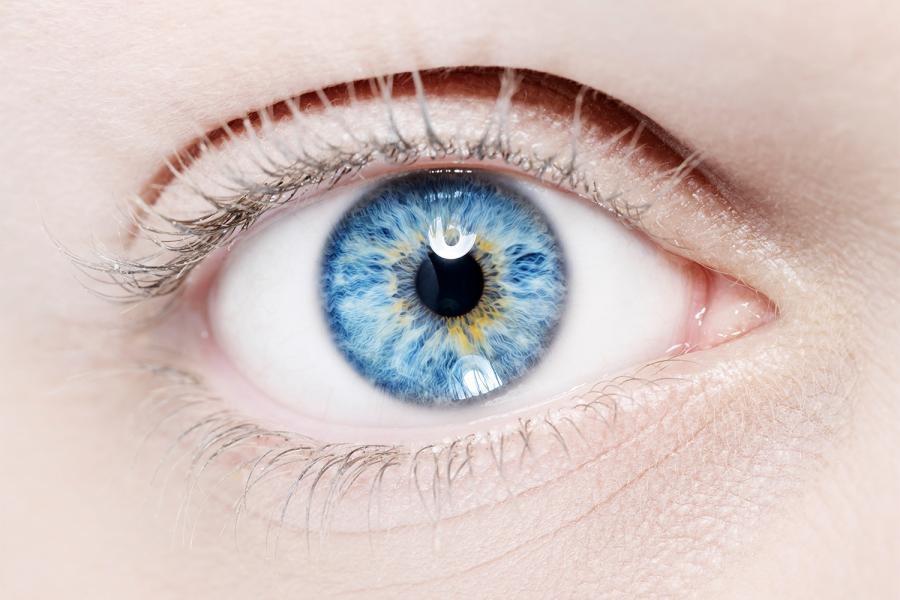
The extracellular matrix (ECM), composed of collagens, glycoproteins, and proteoglycans, is a complex and dynamic structure that is specialized for each tissue type and cellular niche. My research focuses on ECM-cell interactions that drive inflammation, infection, and tissue repair. A significant focus in our laboratory is the cornea, an ECM-rich tissue that serves as both a protective barrier and a refractive structure of the eye. We discovered that the proteoglycan lumican plays a crucial role in regulating collagen fibril assembly. In lumican-deficient mice, collagen fibrils are disorganized across various ECM tissues. In the cornea, this results in excessive light backscatter, leading to corneal clouding, while in tendon, skin, and cartilage, it contributes to biomechanical weakening.
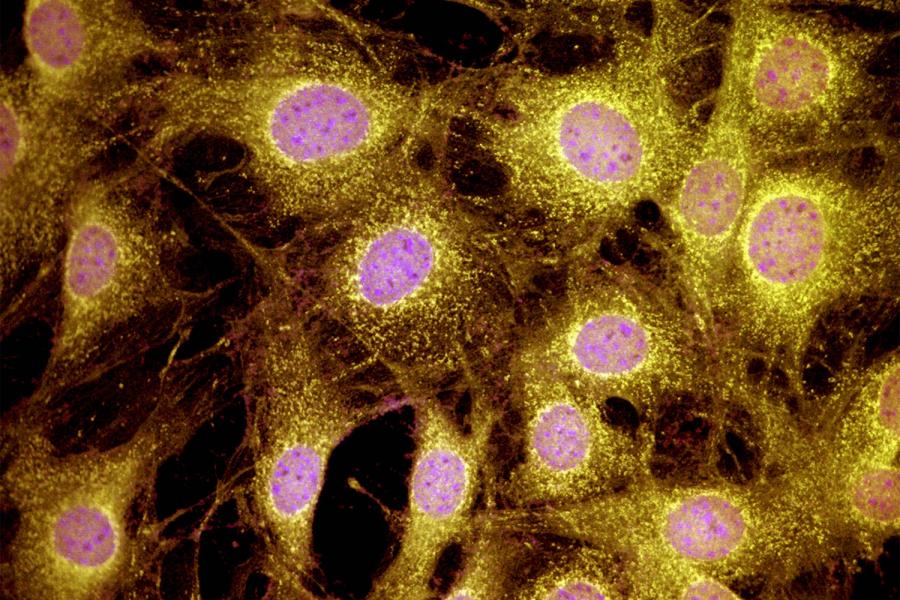
Beyond its structural role, we identified another key function of lumican. In remodeling ECM, lumican and other related proteoglycans interact with immune cells, including neutrophils, macrophages, and dendritic cells, to regulate innate inflammatory signaling. Surprisingly, these proteoglycans are internalized by immune cells where they regulate vesicular trafficking of receptors and ligands for additional control of inflammatory responses. These findings prompted us to explore how the unique ECM within lymphoid organs influences immune cell behavior. Currently, we are investigating ECM composition and immune cell phenotypes in lymph nodes using mouse viral infection models.
In parallel, our work on stem cell-derived ocular organoids provides a versatile and ethical platform for modeling human diseases. We use these organoids to study ECM-cell responses to infection in a controlled in vitro environment, and co-culture with specific immune cell types to mimic immune cell infiltration in infections.
Another major area of research in my laboratory is keratoconus, a corneal disease with ECM degeneration and scarring that lead to vision loss. We use proteomic, transcriptomic and genomic approaches on patients to identify genetic variants and disease mechanisms underlying keratoconus. The cornea organoids we developed are being used for functional tests of specific genetic variants and pathways.
Current lab members
Research Associate Scientist
George Maiti, PhD
Postdoctoral Fellows
Sean Ashworth, PhD
Madhuri Koduri, PhD
Interns
Trisha Sinha
Past members
Elizabeth Shin
Nan Hu, MS
Mackenzie Charter, MS
Tansol Choi, MS
Maithe Rocha Monteiro, de Barros PhD
James Foster, PhD
Jihane Frikeche, PhD
646-501-8464
435 E30th street
Science Building, 507
New York, NY 10016
Interim Vice Chair, Research Department of Ophthalmology
PhD from University of Pittsburgh
Case Western Reserve University, Genetics
Proceedings of the National Academy of Sciences of the United States of America (PNAS). 2021 Jul 06; 118(27):
Matrix biology. 2025 Sep; 140:27-42
Ocular surface. 2025 Jan; 35:68-80
Science translational medicine. 2024 Dec 18; 16(778):eado4856
International journal of molecular sciences. 2023 Oct 08; 24(19):
PNAS nexus. 2022 Nov; 1(5):pgac246
Annual review of genomics & human genetics. 2022 Aug 31; 23:193-222